The Fascinating History of Emojis: From Kaomoji to Global Phenomenon

Dec 14,2025
Have you ever wondered where those expressive little icons we use daily actually came from? The story of emojis is a fascinating journey through digital communication, evolving from simple text characters to the rich, diverse visual language we use across the globe today. It's more than just a trend; it's a testament to our innate need for expression in the digital realm. Join us as we explore the captivating history behind these tiny titans of text.
The Dawn of Digital Expressions: Kaomoji and Early Emoticons
Before the colorful graphical emojis, there were emoticons – text-based symbols that represented facial expressions. The earliest forms emerged in the late 19th century, but the digital age truly brought them to prominence. In the West, rudimentary sideways faces like :-) and :-( gained popularity in the 1980s. However, Japan led the charge with 'kaomoji' (顔文字), which translates to 'face characters'. Unlike Western emoticons, kaomoji could be read upright and often included more complex expressions, like (^_^;) for embarrassment or (^_^) for happiness. These simple yet ingenious combinations of punctuation and characters laid the groundwork for a more visual way of communicating feelings online. If you're looking to explore a vast Emoji collection, you've come to the right place!
The Birth of Graphical Emojis in Japan
The true birth of what we now call 'emojis' (絵文字 - 'e' for picture, 'moji' for character) can be traced back to Japan in the late 1990s. Shigetaka Kurita, an interface designer for NTT DoCoMo, created the first set of 176 12x12 pixel emojis for the company's i-mode mobile internet platform in 1999. His goal was to make digital communication more engaging and efficient, allowing users to convey information like weather forecasts or feelings with a single image. These pixelated pioneers were simple but revolutionary, giving birth to a new form of digital expression that went beyond plain text messages. 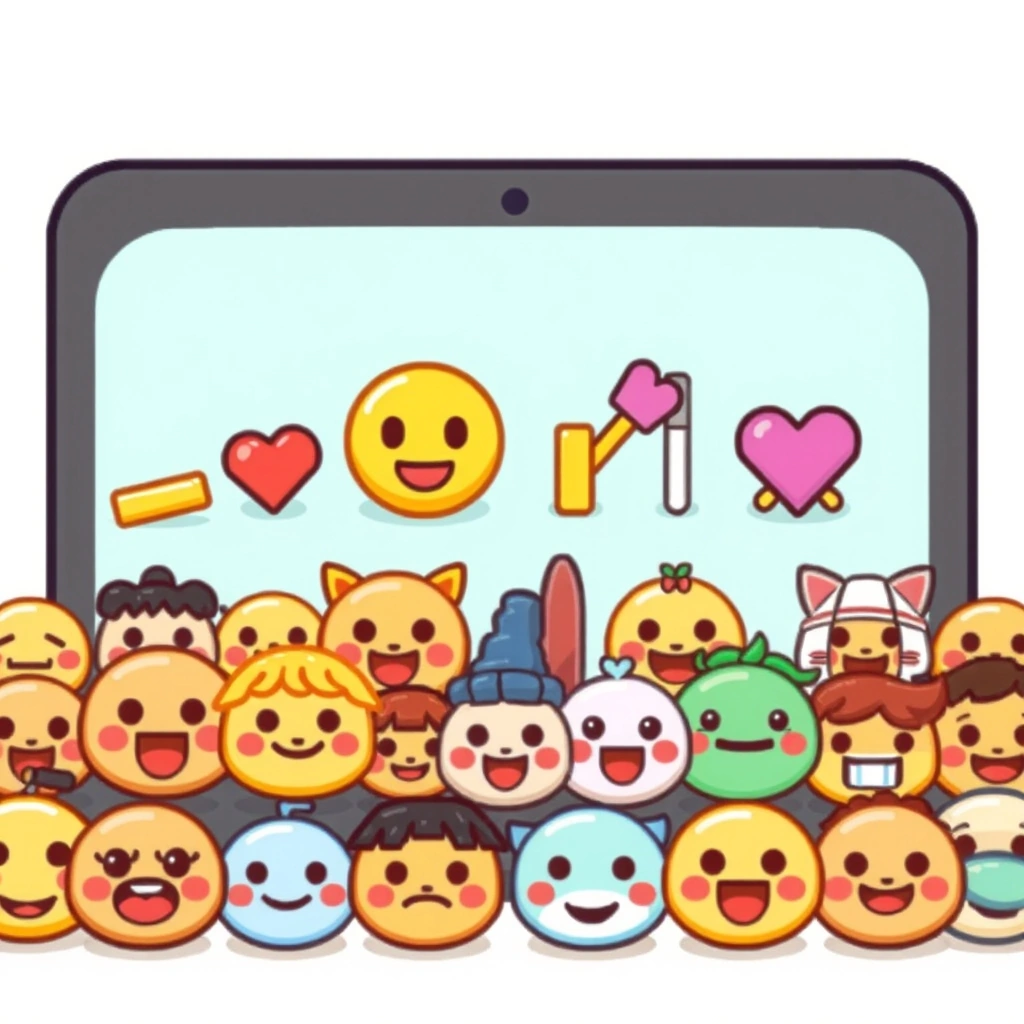
Emojis Go Global: From Japan to Unicode
For years, emojis remained largely a Japanese phenomenon. However, their potential for universal communication was undeniable. The turning point came in 2007 when Google requested that the Unicode Consortium, the organization responsible for standardizing text characters across all software platforms, begin encoding emojis. Apple further propelled emojis into the global spotlight when they included an emoji keyboard in the iPhone in 2008 (initially only for Japanese users) and then officially for all users in 2011 with iOS 5. This standardization was crucial; it meant that an emoji copy on one device would appear the same on another, bridging the gap between different systems. Suddenly, emojis were no longer just for Japan; they were for the world.
The Modern Emoji Landscape: A Universal Language
Today, emojis are an integral part of our digital lives, constantly evolving with new additions and diverse representations. The Smiling Face with Open Mouth (😊), the Thumbs Up (👍), and the classic Red Heart (❤️) are just a few examples of how these icons convey emotions and concepts instantly. They're used in everything from casual chats to marketing campaigns, adding a layer of personality and nuance that words alone sometimes can't capture. Different platforms like Apple, Google, Samsung, and Microsoft each have their unique artistic interpretations, contributing to the rich tapestry of emoji design. 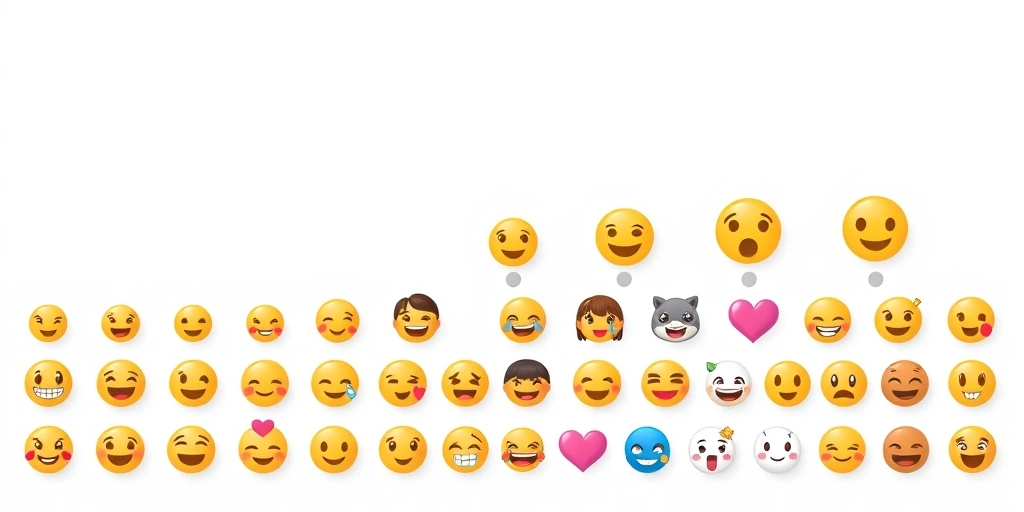
The Cultural Impact and Future of Emojis
The impact of emojis extends far beyond simple communication. They have influenced pop culture, advertising, and even how we understand non-verbal cues in a digital age. Emojis have become a universal language, transcending linguistic barriers and enabling richer, more emotionally resonant interactions online. From expressing joy and sadness to indicating sarcasm or agreement, these tiny icons have profoundly shaped how we interact. As technology advances, we can expect emojis to become even more sophisticated, perhaps incorporating animation or even augmented reality. 
From rudimentary text faces to a global lexicon of graphical symbols, the evolution of emojis is a testament to human creativity and our perpetual quest for more expressive ways to communicate. They've not only transformed how we chat but have also become a vital part of our cultural landscape, proving that sometimes, a picture truly is worth a thousand words.
📒 Related Blogs
More...The Future of Emojis: Anticipating New Icons and Digital Expressions
The Secret Sauce: How Emojis Make Our Casual Chats Instantly More Fun!
When a Smiley Face Feels All Wrong: Navigating Emoji Awkwardness
The Tiny Peacekeepers: How Emojis Calm Unexpected Reactions in Chat
The Quiet Comfort of Emojis: How a Simple Icon Says 'I'm Here'
The Instant Pulse: How Emojis Light Up Viral Trends and Platform Moments