Emojis & Mental Health: Expressing Emotions Digitally for Well-being

Dec 20,2025
In our increasingly digital world, where much of our communication happens through screens, the subtle nuances of human emotion can often get lost. Enter emojis – those small, expressive icons that have become an indispensable part of our daily conversations. But their role goes far beyond mere decoration; emojis significantly impact our mental health, serving as powerful tools for expressing complex emotions, fostering understanding, and building connections in the digital realm. This article explores how these tiny images are revolutionizing how we express feelings digitally, contributing to our overall well-being.
The Power of Emojis in Emotional Expression
Text-based communication, while efficient, notoriously lacks the tone, body language, and facial expressions that convey so much in face-to-face interactions. This void can lead to misunderstandings, anxiety, and a sense of disconnection. This is where emojis step in, acting as digital bridges.
Bridging the Gap in Digital Communication
Emojis provide a crucial layer of non-verbal cues that text alone cannot. A simple "okay" can be interpreted in countless ways, but adding a 😊 (Smiling Face) or a 😠 (Angry Face) instantly clarifies the sender's emotional state. Imagine trying to convey sarcasm or playfulness without the aid of a 😉 (Winking Face) or a 😂 (Face with Tears of Joy). These small additions prevent misinterpretations and make conversations more human. For example, when you want to truly express overwhelming laughter, using the Face with Tears of Joy emoji is much more effective than just typing "lol". Similarly, expressing sadness or empathy becomes clearer with a Crying Face. You can easily find and copy emoji like these from platforms such as emojilar.
Fostering Empathy and Understanding
When we see an emoji reflecting distress, like a 😟 (Worried Face) or a 😢 (Crying Face), our brains often process it similarly to seeing someone's actual facial expression of sadness. This visual cue can trigger empathy, prompting us to respond with greater care and concern. Emojis help us read between the lines, making us more attuned to the emotional states of our friends, family, and colleagues, thereby strengthening social bonds. They are part of a vast emoji collection that enriches our digital interactions.
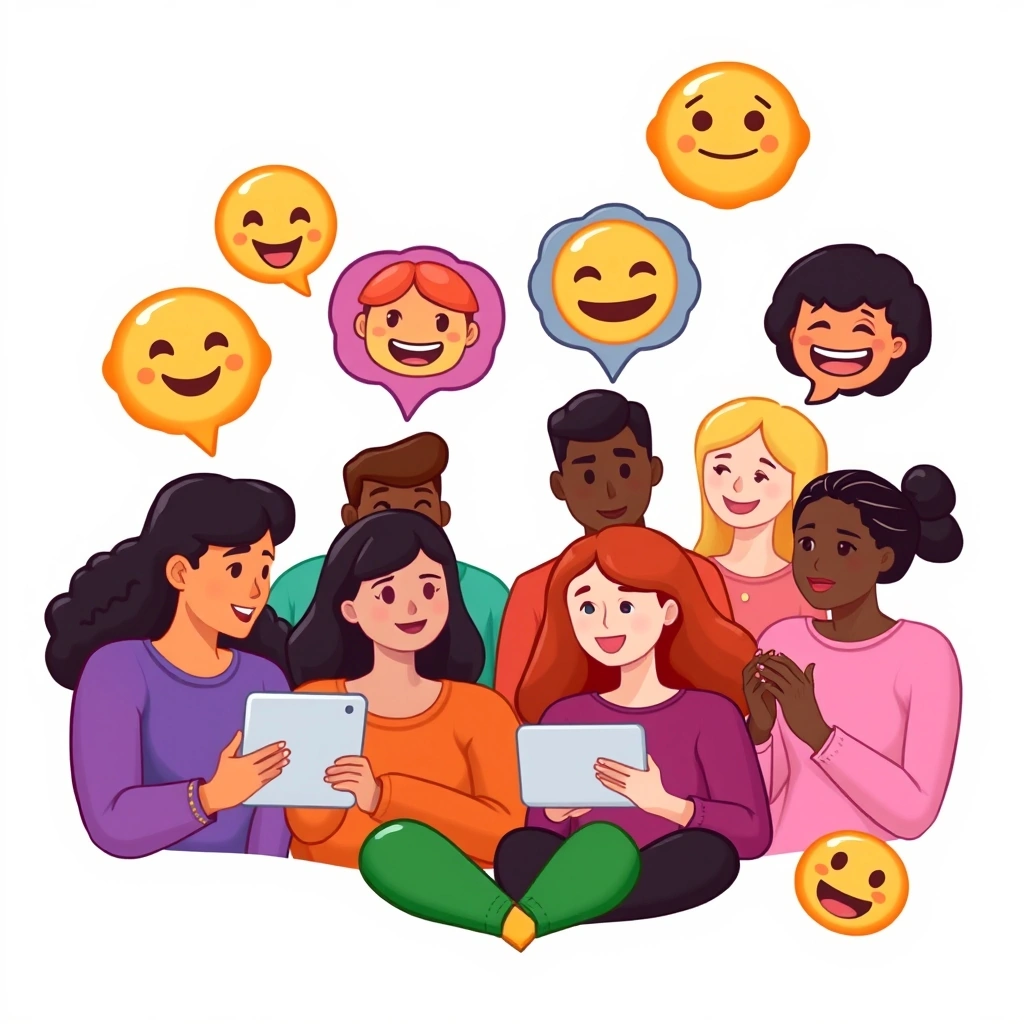
Emojis and Mental Well-being
For many, particularly those who struggle with verbalizing their feelings, emojis offer a less intimidating way to communicate their internal world. They can be a lifeline for expressing complex emotions that words might fail to capture, or that feel too vulnerable to articulate explicitly.
A Tool for Self-Expression
Consider someone dealing with anxiety or depression. They might find it incredibly difficult to type out a detailed explanation of their feelings. A well-placed 😥 (Disappointed but Relieved Face) or even just a simple Red Heart can convey a message of struggle or affection without requiring a lengthy, emotionally draining explanation. This digital shorthand allows for self-expression, reducing the burden of articulation and potentially easing feelings of isolation. It's a way to say, "I'm not okay" or "I care" quickly and effectively.
Mindful Use for Positive Impact
While emojis are powerful, their mindful use is key. Choosing the right emoji can enhance a message, but an inappropriate one can inadvertently cause offense or confusion. Reflecting on the context and the recipient before sending an emoji can ensure it positively contributes to communication and emotional well-being. For example, if you want to paste emoji into a sensitive conversation, always consider its potential impact first.
Navigating the Challenges
Despite their benefits, emojis are not without their pitfalls. Misinterpretation is a common issue, often stemming from cultural differences in emoji usage or simply from different individual interpretations. What one person perceives as playful, another might see as disrespectful. Over-reliance on emojis can also sometimes hinder the development of verbal emotional literacy, potentially leading to a superficial understanding of feelings rather than a deep, nuanced expression.
In conclusion, emojis are far more than just fun little icons; they are a vital component of modern digital communication, profoundly impacting our mental health and how we express feelings. By offering a visual shortcut for emotions, they enhance understanding, foster empathy, and provide an accessible avenue for self-expression. While mindfulness in their use is essential to avoid misinterpretation, when wielded thoughtfully, emojis can significantly enrich our digital interactions, making them more human, more empathetic, and ultimately, better for our mental well-being.
📒 Related Blogs
More...The Unsung Hero of Project Updates: How Emojis Make Work Chats Smoother
The Fascinating Journey of Emojis: From Simple Text to Universal Language
The Quiet Comfort of Emojis: How a Simple Icon Says 'I'm Here'
How a Simple Emoji Can Save Your Next Project Update
Emoji Psychology: Unpacking What Your Favorite Emojis Reveal About You
The Secret Language of Emojis: How They Become Our Instant Communication Shortcuts