The Fascinating Journey: From Ideogram to Icon – The Evolution of Emojis

Dec 22,2025
Remember a time before emojis? It's hard to imagine digital conversations without those tiny, expressive icons. From a simple 😄 to a dramatic 😭, emojis have become an indispensable part of how we communicate, adding nuance, emotion, and sometimes pure whimsy to our messages. But where did these fascinating little symbols come from, and how did they conquer the digital world?
The Dawn of Digital Expression: Beyond Text
Before the colorful world of emojis, we had emoticons – text-based symbols like :) or :( that attempted to convey emotion using standard keyboard characters. These were clever, but limited in their visual appeal and universal understanding. The desire for richer, more visually intuitive communication was clearly there, paving the way for something revolutionary.
Birth in Japan: The Original 176
The true birth of what we now call 'emoji' (from Japanese 絵 'e' for picture + 文字 'moji' for character) occurred in Japan. In 1999, Shigetaka Kurita, an interface designer for NTT DoCoMo, created the first set of 176 12x12 pixel emojis for their i-mode mobile internet platform. His goal was to provide a quick and easy way for users to express themselves and add emotional context to messages, something that plain text often lacked. These early emojis were simple, blocky, and monochrome, yet they laid the groundwork for a global communication revolution.
From Niche to National Phenomenon
Initially, emojis were a uniquely Japanese phenomenon, deeply integrated into the country's burgeoning mobile culture. Other Japanese mobile carriers soon followed suit, creating their own sets of emojis, which led to compatibility issues. This period showcased the power of these pictorial characters but also highlighted the need for standardization.
Global Takeoff: The Unicode Connection
The real game-changer came with Apple's iPhone. While initially only available in Japan, the introduction of an official emoji keyboard in the global iOS 5 update in 2011 brought emojis to the Western world. Crucially, this period saw the integration of emojis into the Emoji copy standard. Unicode, the universal character encoding standard, began incorporating emojis, ensuring they looked consistent across different devices and platforms. This standardization was vital; it meant a 😂 sent from an iPhone would look the same on an Android device, fostering true cross-platform communication.
The Modern Emoji Landscape
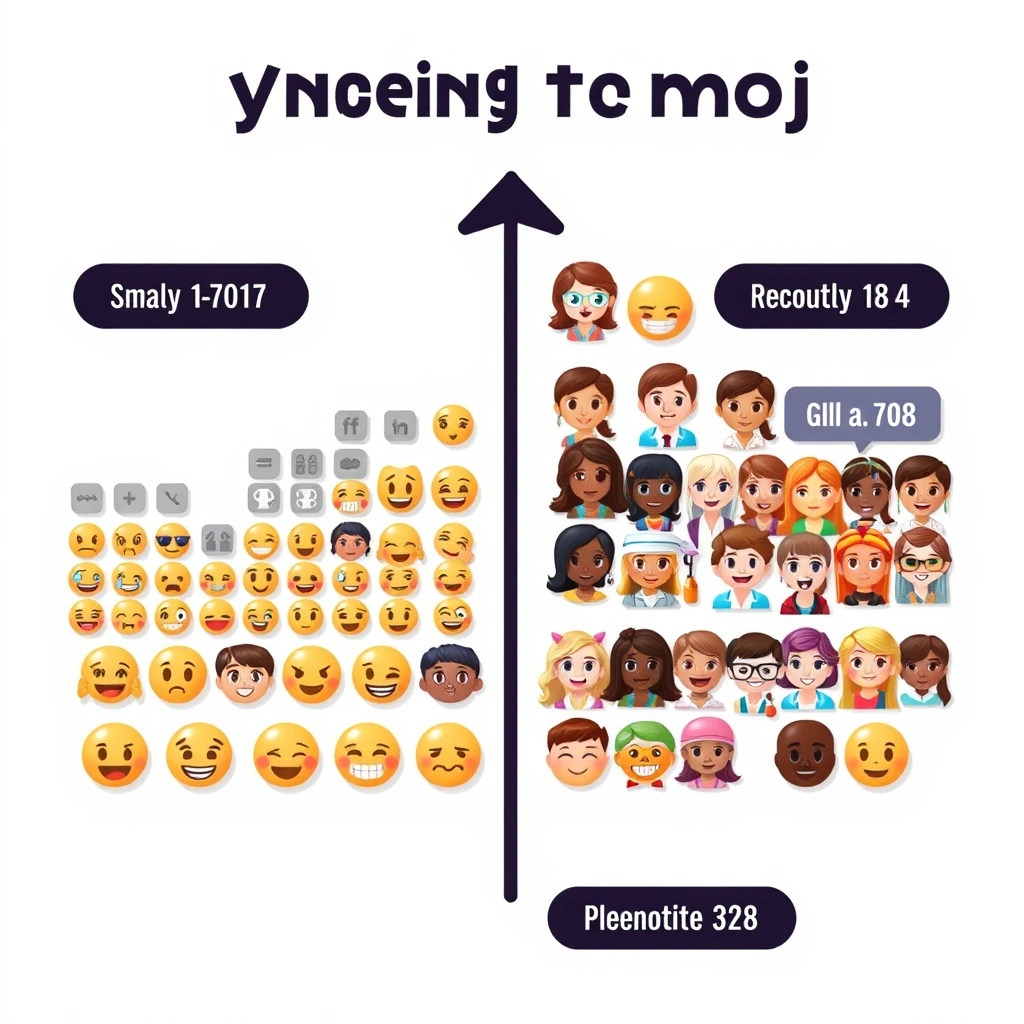
Today, the Unicode Consortium continually updates the emoji library, adding new symbols that reflect our diverse world, from various skin tones and professions to gender-neutral options and new food items. This ongoing evolution ensures emojis remain relevant and inclusive, constantly adapting to cultural shifts and technological advancements. A simple 👍 can convey approval instantly, transcending language barriers.
Why Emojis Matter Today
Emojis have moved beyond mere embellishments; they are now an integral part of our digital lexicon. They allow us to convey feelings, sarcasm, or humor quickly and efficiently, often saying more with a single icon than a paragraph of text. They add emotional depth to otherwise flat digital conversations and have even influenced how we express ourselves offline. They are a testament to humanity's enduring need for visual communication, bridging gaps and fostering understanding in a fast-paced digital age. Want to explore a vast emoji collection and effortlessly paste emoji into your communications? Resources like emojilar.com make it easy to find and use your favorites.
📒 Related Blogs
More...The Softening Power of Emojis: How a Simple Icon Can Defuse Tension Online
Unlock Deeper Engagement: Emojis for Social Media Strategy
How a Simple Emoji Can Save Your Busy Workday
Beyond Just Words: How Emojis Supercharge Engagement in Online Communities