The Quiet Comfort of Emojis: How a Simple Icon Says 'I'm Here' in Your Group Chat

Feb 23,2026
You know the feeling. Your phone buzzes, and the notification shows a flurry of messages from your closest friends. It's a mix of weekend plans, a funny meme, and someone venting about their day. You're busy—maybe you're cooking, in a meeting, or just mentally drained. You want to be part of the conversation, to let them know you're there, but you don't have the energy or the right words to jump in with a full reply.
So, what do you do? You send an emoji.
It might be a simple heart, a thumbs up, or a crying-laughing face. It takes a second. You don't even have to unlock your phone. But in that tiny action, you've done something important: you've signaled your presence.
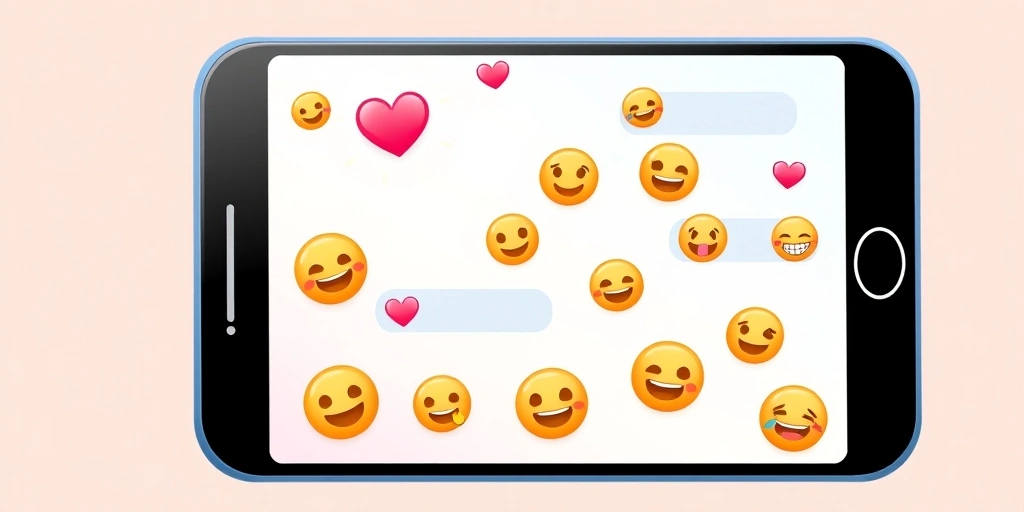
More Than Just a Reaction
We often think of emojis as replacements for words, and they are. But in the constant, flowing river of a group chat, they serve a deeper, more subtle purpose. They're like a gentle tap on the shoulder in a crowded room. They're a way of saying, "I see you. I hear you. I'm here with you," without having to craft a sentence.
When a friend shares a small win, a red heart emoji can feel as genuine as a "I'm so proud of you!" When someone tells a long, convoluted story about their annoying coworker, the crying-laughing emoji does double duty. It says "That's hilarious" and also "I followed all of that, and I'm right there with you."
It's a form of digital body language. A nod. A smile. A sympathetic wince. These micro-expressions are the glue of in-person conversation, and emojis have become their perfect digital counterpart.
The Pressure to Perform vs. The Gift of Listening
Group chats can sometimes feel performative. There's a pressure to be funny, insightful, or immediately supportive. When you're not in the headspace for that, it's easy to just lurk, watching the messages scroll by, which can ironically make you feel more disconnected.
Sending an emoji breaks that cycle. It allows you to participate from the role of a listener, an audience member, a supporter. You're not adding to the noise; you're affirming the signal. You're quietly holding space. This is a key part of how emojis keep our daily chats from feeling like a chore. They lower the barrier to entry for connection.

Think about the "check-in" message. A friend might post, "Ugh, today is a LOT." Replying with a string of text feels heavy. But a single heart emoji, a hugging face, or even the weary face? It’s immediate, empathetic, and undemanding. It says, "I acknowledge your struggle, and I'm with you," without requiring them to engage in a full therapy session via text. It meets them exactly where they are.
The Rhythm of the Chat
This silent signaling also helps maintain the rhythm of the group. A chat that goes completely silent can feel like a dropped call—awkward and worrying. A stream of emoji reactions, even if no one is typing paragraphs, keeps a gentle pulse going. It tells the group, "We're still here. This thread is still alive. We're all just living our lives, but this space is active."
It's the digital equivalent of friends sitting together in comfortable silence, each reading a book or scrolling on their phone, but feeling completely together. The occasional emoji is like looking up and sharing a smile.
This is especially true for groups spread across time zones or with wildly different schedules. Your 3 PM check-in emoji on a friend's post about their morning coffee is a little beacon. It's you, waving from your part of the day into theirs.
It's Not About Being Lazy
Some might dismiss this as lazy communication. But anyone who's been on the receiving end understands it's not. There's a specific warmth to knowing your friends are following along, even passively. That red heart on your message isn't a placeholder for a comment they couldn't be bothered to write; it *is* the comment. Its meaning is complete in itself.
In a world where we're expected to be constantly "on" and articulate, emojis grant us a little grace. They let us be present in our relationships in a low-spoon way. They allow for connection that is sustained rather than sporadic, soft rather than intense.
So the next time you're scrolling through your group chat, feeling a bit distant or tired, don't feel guilty for not having the words. Just send the emoji that fits the moment. That little icon is doing more work than you think. It's quietly telling your people, "I'm here. I'm listening. And I'm still very much part of this." And sometimes, that's the most meaningful message of all.
For more thoughts on how emojis weave into the fabric of our daily interactions, explore our other articles on emoji daily life.
📒 Related Blogs
More...The Tiny Emoji Trick That Makes Your Short Texts Feel Warmer
Effortless Express: How Emojis Revolutionize Your Daily Chats
The Tiny Tone-Setters: How Emojis Shape Public Conversations Online
The Quiet Confidence of Emojis: How Tiny Icons Speak Volumes in Our Most Subtle Conversations
The Unsung Heroes of Your Chats: How Emojis Keep Digital Conversations Flowing Smoothly
The Secret Language of Emojis: Decoding Uncommon Symbols and Their Meanings