Beyond the Single Emoji: How Combinations Tell Your Full Story

Feb 02,2026
We've all been there—typing out a message and feeling like one emoji just isn't enough. That's where the magic of layering comes in. While a single emoji can state a fact, a combination tells a story. It adds color, context, and a whole lot of heart to our digital words.
Think of it like cooking. One spice is fine, but a blend? That's where the flavor happens. In our texts and DMs, combining emojis lets us season our sentences with exactly the right feeling.
[[emojilar_img1]]
The Power of Emotional Layering
Let's start with a classic: the humble heart. A red heart is love, pure and simple. But what happens when you pair it? A red heart followed by a crying face isn't just sad love; it's overwhelming, grateful, 'I'm-so-happy-I-could-cry' love. The meaning shifts entirely. It's no longer a symbol; it's a scene.
This is emotional shorthand. We're packing complex, layered feelings into a tiny visual space. A thumbs-up with a sweating face? That's "I'll do it, but I'm stressed about it." A fire emoji next to a book? That's "This read is absolutely captivating." The combination creates a new, specific emotion that neither could convey alone.
This nuanced communication is a fascinating part of how emoji combinations evolve our language. They fill the gaps where words sometimes fail us.
Building Context and Tone
Combinations are also genius at setting the scene. Text is famously tone-deaf. A sentence like "Sure, come over" could be read as enthusiastic, sarcastic, or downright reluctant. Emojis to the rescue.
"Sure, come over" followed by a party popper and a pizza slice paints a picture of a fun, welcoming hangout. The same sentence followed by a weary face and a coffee cup suggests a tired but willing host for a quiet chat. The words are identical, but the entire context—and the recipient's expectation—is transformed.
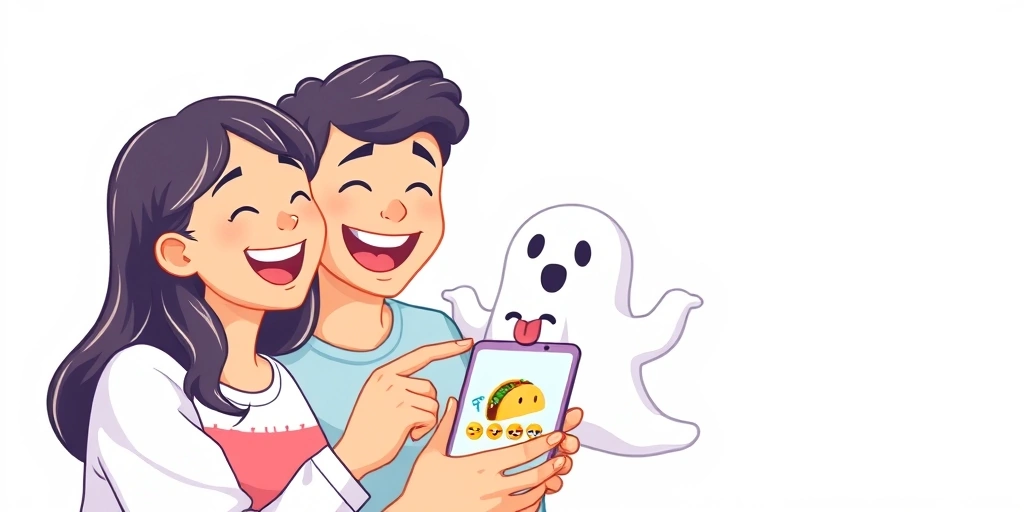
It’s a way of holding the door open for the other person’s understanding. We're giving them the emotional cues we'd normally provide with our voice or face. In a fast-paced digital world, these little clusters prevent a million tiny misunderstandings.
The Unspoken Rules of Sequence
Here's where it gets really interesting: order matters. The sequence of emojis can change the narrative. Think of a laughing-crying face followed by a skull. That often reads as "I'm laughing so hard I'm dying." Now reverse it: a skull followed by the laughing face. The tone feels darker, more like "This is so bad it's funny (and it might kill me)." The emphasis shifts.
This isn't just random; it's a developing grammar. We intuitively place the primary emotion or object first, followed by modifiers or reactions. Exploring the secret power of emoji order reveals how much thought goes into these tiny sequences. It's a subtle art we're all practicing every day.
Creating Inside Jokes and Shared Language
Beyond clarity, combinations become a playground for intimacy. Best friends, couples, and close-knit groups often develop their own emoji "dialects." A specific, weird combo of a taco, a ghost, and a rainbow might mean absolutely nothing to the outside world, but to you and your friend, it recalls that hilarious inside joke from last summer.
These personalized combinations are like digital secret handshakes. They reinforce bonds and create a sense of shared identity. They're a way of saying, "You and I get this," without having to explain a thing.
This creative, communal aspect shows how emojis have moved far beyond their original dictionary definitions. They are living, evolving tools of connection. For more on how these sequences shape our shared digital mood, you can see how they function as silent storytellers in our daily interactions.
Listening to the Language Evolve
The beauty of this phenomenon is that no one is officially in charge. There's no rulebook for combining the pleading face with the sparkle heart. We, the users, are the architects. We try things, see what sticks, and adapt meanings from our friends and communities.
It's a beautifully democratic form of language evolution, happening in real-time on our screens. The next time you're about to send a message, pause for a second. Could a duo or trio express your thought more fully than a solo act? Chances are, the answer is yes. So go ahead, experiment. Layer that thinking face over the money bag. Follow the sun with the ocean wave. You're not just sending icons; you're writing a richer, more human sentence.
📒 Related Blogs
More...The Psychology of Emoji Use: Why We Can't Stop Tapping Icons
How Emojis Rewire Our Brains: The Hidden Psychology of Digital Tone
The Unspoken Language: How Emojis Shape Your Online Conversations and Perceptions
Unlock Clarity: How Emojis Transform Quick Replies from Confusing to Crystal Clear!
The Silent 'I'm Here': How Emojis Become Our Everyday Digital Nods
The Softening Power of Emojis: How a Simple Icon Can Defuse Tension Online