How Emojis Rewire Our Brains: The Hidden Psychology of Digital Tone

Jan 26,2026
The Unspoken Language We All Learned
Think about the last text you sent. Chances are, it contained an emoji. What started as a cute addition to our messages has become a core part of how we communicate. But it's more than just fun. Every time we use a smiling face, a heart, or even a simple thumbs-up, we're participating in a subtle psychological process. We're not just sending a symbol; we're training our brains—and the brains of the people we talk to—to process information in a new way.
This shift happens gradually. At first, an emoji might feel like an optional extra. Over hundreds and thousands of messages, it becomes integral. It starts to carry the weight of tone, intent, and emotion that we lose when we strip away a person's voice and body language. The fascinating part isn't just that we use them, but that our minds begin to rely on them to make sense of the words on the screen.
From Decoration to Decoder
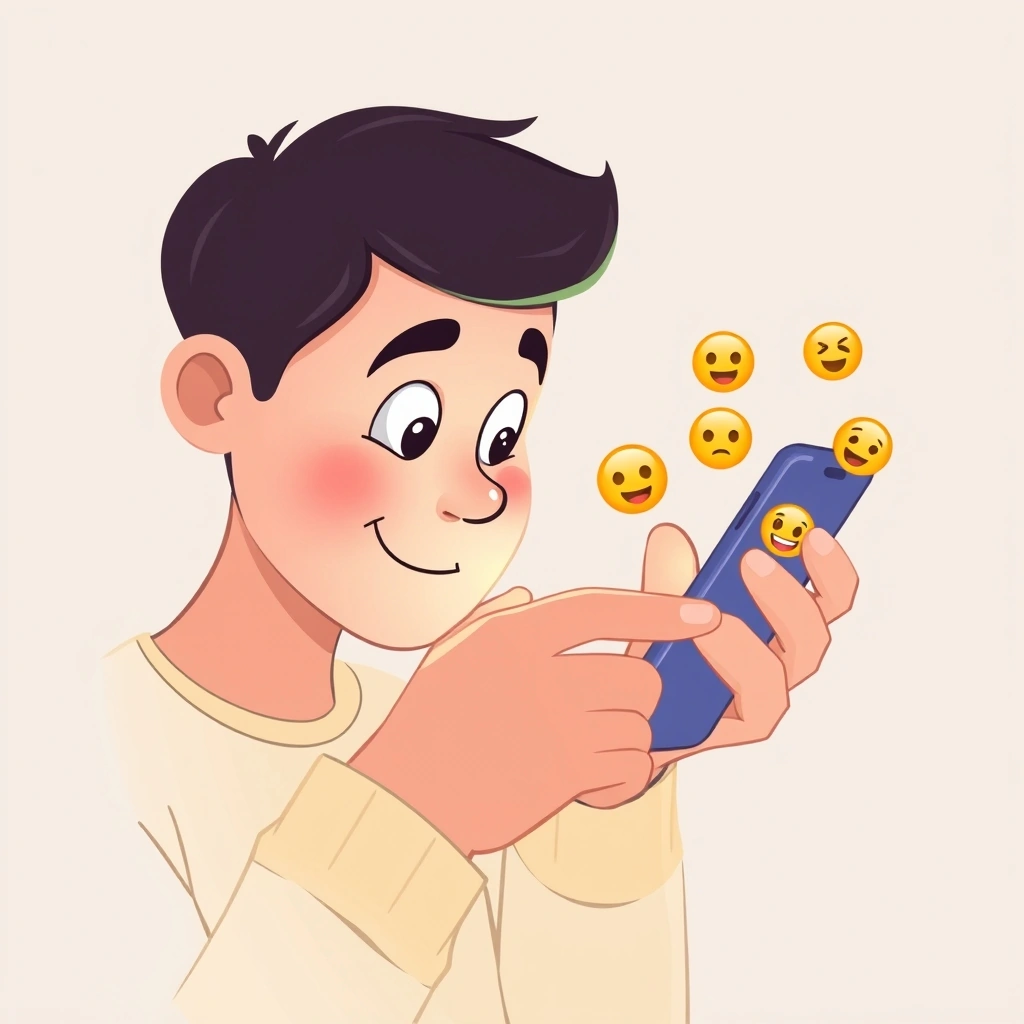
In face-to-face conversation, we have a wealth of information. A raised eyebrow, a slight smile, the pace of someone's speech—all of this data helps us decode meaning. In pure text, that context vanishes, leaving room for ambiguity and misunderstanding. This is where emojis step in. They act as a cognitive shortcut, a piece of ready-made context that our brain can latch onto instantly.
When you read "Great job 😊" versus "Great job.", your brain processes them differently. The first is almost instantly categorized as positive and warm. The second, devoid of that visual cue, requires a tiny bit more mental work. Is it sincere? Sarcastic? Neutral? The emoji resolves that ambiguity before the conscious thought even forms. This is a key part of how emojis speed up our digital conversations, making them feel more fluid and natural.
The Building Blocks of Digital Tone
This isn't a one-time trick. The effect compounds. As we build shared emoji vocabularies with friends, family, and colleagues, we create micro-languages. A single emoji between two people can stand in for an inside joke, a shared feeling, or a specific tone of voice. Our brains learn these associations. Over time, seeing that specific emoji from that specific person triggers a pre-packaged emotional and contextual response. The message isn't just read; it's felt.
This mental processing shift is profound. It means that for many of us, plain text now feels emotionally "flat" or even risky. We've become accustomed to the emotional scaffolding that emojis provide. Leaving them out can feel intentional, like withholding warmth or clarity. The absence of an expected emoji can itself become a message, processed by the brain as potentially negative or distant.
Beyond the Surface: Emotional Anchoring
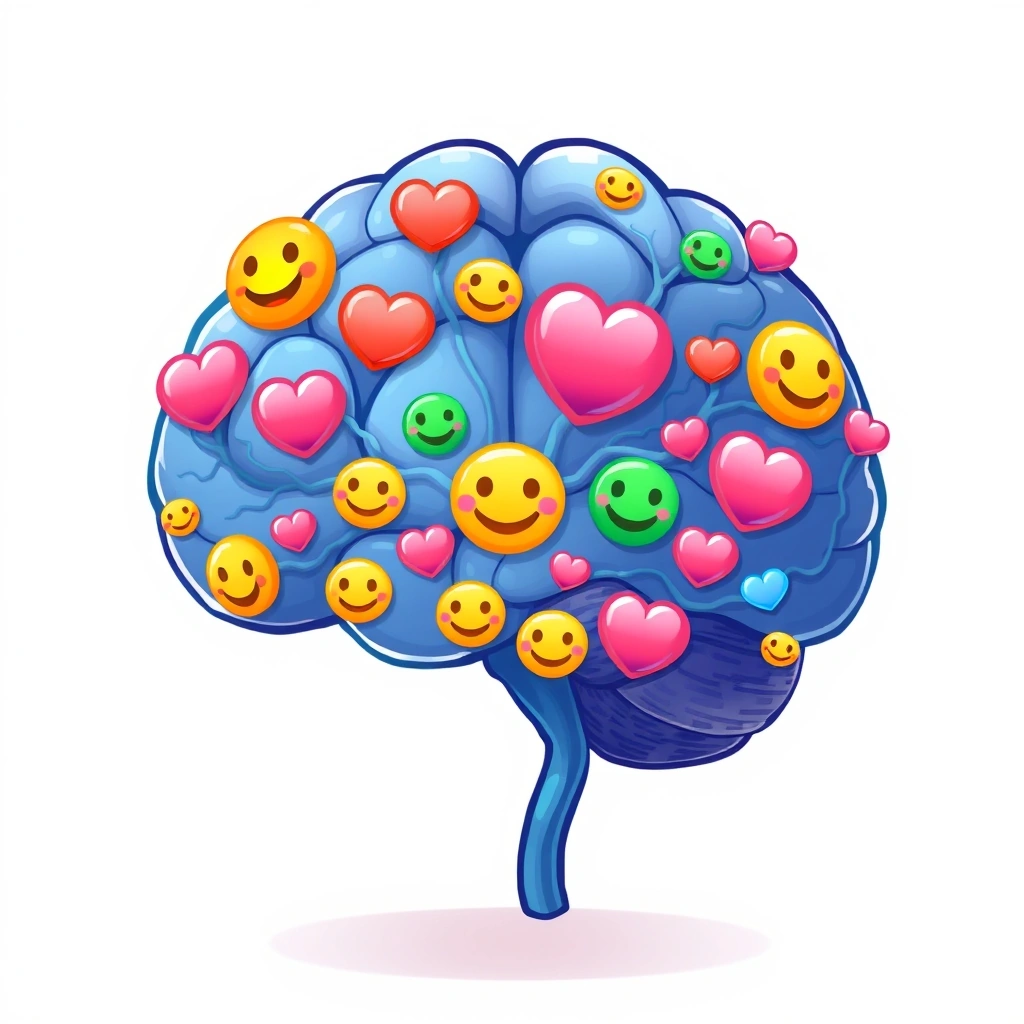
The influence goes deeper than just clarifying a single sentence. Emojis can anchor the entire emotional tone of a conversation. A thread filled with positive, supportive emojis creates a psychological environment of safety and connection. Conversely, a conversation that suddenly drops emojis, or introduces ambiguous or negative ones, can shift the perceived mood entirely.
Our brains are pattern-recognition machines. We subconsciously track these emotional cues across an exchange. This constant, low-level processing shapes our overall impression of the interaction and, by extension, the relationship. It's a form of instant emotional reaction that builds into a lasting emotional memory of the conversation.
A New Layer of Social Cognition
What we're witnessing is the development of a new layer of social cognition—the mental processes we use to understand and interact with others. Just as we learned to read facial expressions as children, we are now, as a culture, learning to read and rely on digital pictographs. This skill is becoming essential for smooth social functioning online.
This has real-world implications. It affects everything from workplace communication (is a period after "Thanks" now passive-aggressive without a smiley?) to dating app conversations (does the choice of emoji signal genuine interest?). We are constantly, and often unconsciously, analyzing these symbols to gauge intent, manage relationships, and protect our own social standing.
For a deeper dive into the intersection of these tiny symbols and our inner world, explore more in our emoji psychology category.
The Takeaway: Mindful Messaging
Understanding that emojis affect mental processing isn't about creating a rulebook. It's about fostering awareness. These tools are powerful. They can bridge gaps, convey warmth, and prevent fights. They can also be misinterpreted or used to mask true feelings.
The key is mindfulness. Recognizing that the emojis we choose are not frivolous decorations, but active participants in shaping meaning and emotion. They are changing the landscape of human interaction, one tiny, colorful character at a time. By appreciating their psychological weight, we can use them more intentionally to connect, clarify, and communicate with the people who matter to us.
📒 Related Blogs
More...The Instant Feeling: How Emojis Spark Our Quickest Emotional Reactions
Mastering Emoji Etiquette: Your Guide to Using Emojis Appropriately
Emoji Power: How They Erase Digital Doubt & Build Stronger Bonds Online
The Hidden Power of Emojis in Your Private Chats
The Quiet Comfort of Emojis in Everyday Chats
The Secret Language of Emojis: How Generations Speak Through Symbols