The Secret Language of Emojis: How Generations Speak Through Symbols

Jan 16,2026
If you're anything like me, your fingers instinctively reach for the emoji keyboard multiple times a day. We use them to add flair, convey emotion, or simply shorten a sentence when words feel too much. But have you ever paused to think about how these tiny digital icons also tell a much larger story about us – specifically, about our generations and how we communicate?
It’s fascinating to observe. Emojis aren’t static symbols; they’re a living language, constantly evolving, shifting, and even contradicting their original meanings based on who's using them. What one generation perceives as a straightforward expression, another might interpret with a thick layer of irony or a completely different subtext. This dynamic interplay creates a unique lens through which we can understand the subtle (and sometimes not-so-subtle) differences in generational communication habits. For more on this broad subject, you can explore our emoji culture and trends category.
The Early Days: A Millennial Playground
When emojis first became widely accessible on smartphones, they were largely adopted by Millennials. Remember the early days of texting with friends? A simple 😂 (face with tears of joy) genuinely meant something was hilarious. The ❤️ (red heart) was a sincere expression of affection, and 👍 (thumbs up) was a straightforward affirmation. These were the building blocks of a new digital dialect, adding much-needed tone and personality to otherwise flat text conversations. They filled the void of non-verbal cues in a purely written medium.
This era saw emojis used often quite literally, almost as direct substitutes for facial expressions or gestures. They were about clarity and adding warmth. It felt exciting to have this new tool, a way to make digital interactions feel more human. But as digital natives grew up and new generations entered the communication landscape, things started to get a little more complex.
When Meanings Shift: Gen Z's Irony Infusion
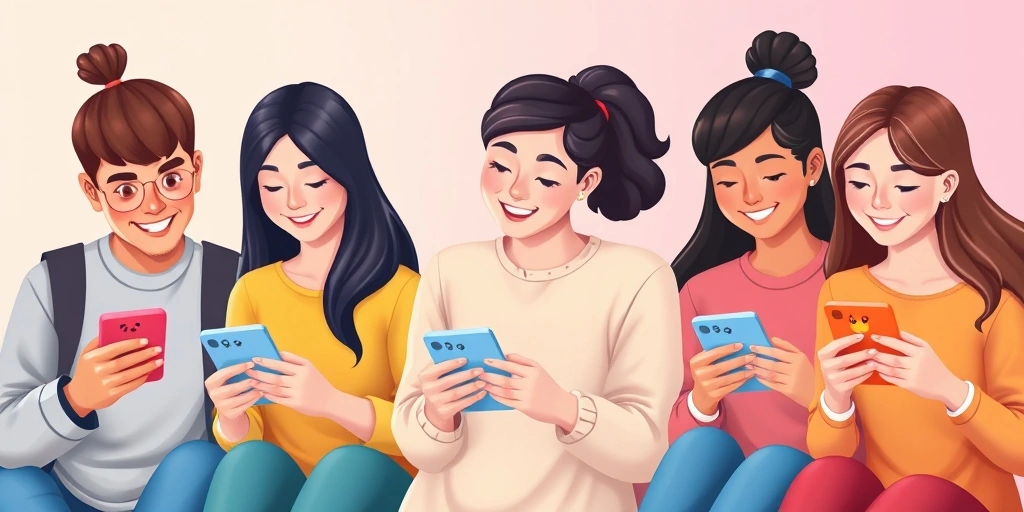
Enter Gen Z. While Millennials mastered the art of the direct emoji, Gen Z has become the undisputed champion of ironic and nuanced emoji usage. The very same 😂 that meant uproarious laughter to a Millennial might now be seen as cringe-worthy, a relic of an older internet, by someone born after 1997. Instead, you'll often see them opting for the 💀 (skull emoji) to signify "I'm dead" from laughing, or the 😭 (loudly crying face) used ironically to express extreme amusement or exasperation rather than actual sadness.
This isn't just about picking different emojis; it’s about a fundamentally different approach to communication. Gen Z often uses emojis to create layers of meaning, to signal in-group knowledge, or to express emotions in a way that’s deliberately understated or exaggerated for comedic effect. It's a sign of how deeply ingrained digital communication is for them, allowing for a more abstract and flexible interpretation of symbols. This evolution reminds us how the shifting faces of digital culture how emojis mirror our online worlds, constantly adapting to new social currents.
Beyond the Face: Object Emojis and Cultural Cues
It's not just the facial expressions that see generational shifts. Object and symbol emojis also experience cycles of popularity and reinterpretation. Consider the use of the 💅 (nail polish emoji). Initially, it might have been about beauty. But for many, it evolved into a sassy, "I don't care" or "periodt" kind of statement, implying a polished indifference. The 🧚 (fairy emoji) might be used ironically to imply something is unrealistic or whimsical in a cynical way, far from its innocent origin.
These shifts often emerge from specific online communities, memes, and cultural moments. An emoji might become popular on TikTok for a particular trend, then spread rapidly, carrying its new context with it. This creates micro-languages within generations, making it sometimes tricky for outsiders to keep up. It’s a testament to the dynamic nature of digital communication and how rapidly trends can take hold and reshape our understanding of common symbols.
The Rise and Fall of Trends: A Communication Barometer
The lifecycle of an emoji’s popularity often mirrors broader communication trends. Some emojis gain immense traction for a period, become universally understood within a certain age group, and then fade as new symbols or ironic uses take their place. Think about how the 🙌 (raising hands emoji) was once extremely popular for celebration, but now you might see it used more for praise or even a subtle "thank you" in certain contexts. Or how the ✨ (sparkles emoji) can signify magic, but also emphasis, sarcasm, or an aesthetic touch.
These micro-trends are more than just fleeting fads; they're indicators of evolving social norms, humor, and even political leanings within digital spaces. The way we choose, combine, and interpret emojis provides a rich dataset for understanding the nuances of how different age groups navigate their digital lives. It highlights the ever-present tension between directness and subtext, between sincerity and irony, that defines so much of online interaction today.
The Future of Feeling: Continued Evolution
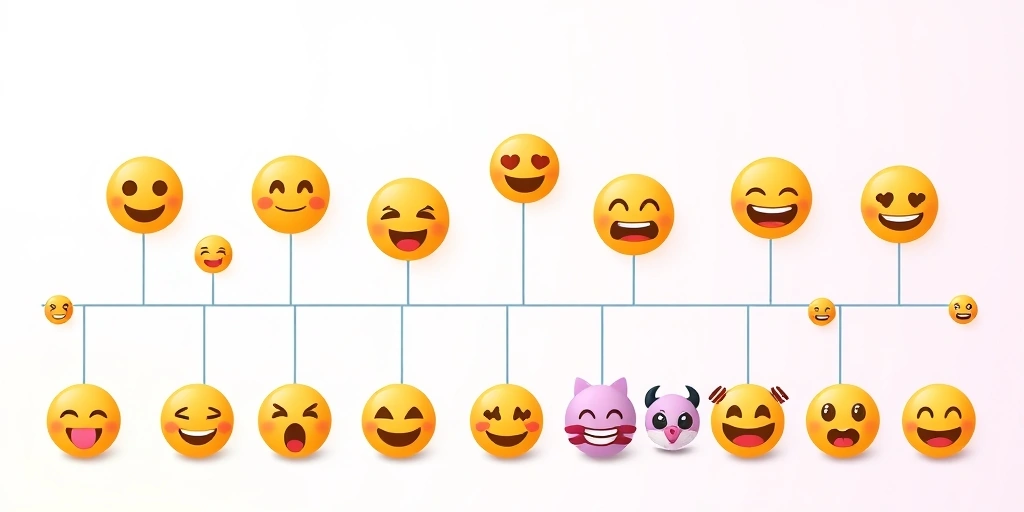
What does this mean for the future of emoji communication? It means we can expect continued innovation and reinterpretation. As new generations come online, they will undoubtedly leave their own unique mark on the emoji lexicon. New emojis will be introduced, old ones will find surprising new lives, and the subtle dance of meaning will continue. It's an ongoing, organic process that mirrors the ever-changing landscape of human culture itself.
Keeping an eye on these evolving patterns isn't just a fun pastime; it’s a way to stay connected and understand the diverse ways people express themselves in the digital age. It's a reminder that language, even in its most compact digital form, is alive and constantly adapting. Understanding these shifts helps bridge communication gaps and appreciate the richness of our shared digital experience. It truly shows how the emoji chameleon how digital trends secretly reshape what your favorite emojis really mean, transforming their essence right before our eyes. The way we use emojis tells a story about our past, present, and future interactions.
So the next time you tap that little smiley face or send a cryptic object emoji, remember the rich tapestry of generational communication it represents. Each choice is a small signal in a vast, evolving language that we all, knowingly or unknowingly, help to shape.
📒 Related Blogs
More...The Secret Language of Emojis: How They Instantly Decode Our Feelings
Rhythm and Reaction: How Emojis Steer Fast-Paced Conversations
The Art of Intentionality: How Emojis Transform Casual Digital Chats
Emoji Etiquette: Navigating the Unwritten Rules of Digital Expression
Mastering Emoji Etiquette: What NOT to Do in Digital Communication
Express Yourself: How Emojis Boost Mental Wellness and Connection