The Emoji Chameleon: How Digital Trends Secretly Reshape What Your Favorite Emojis Really Mean

Jan 15,2026
Remember when emojis were just cute little digital symbols? Maybe a smiley face meant you were happy, or a heart meant, well, love. Simple, right? But if you’ve spent any significant time online, you’ve probably noticed something fascinating (and sometimes a little confusing) happening: emojis have a life of their own. They twist, they turn, they evolve, often taking on entirely new meanings as trends sweep across our digital spaces.
The Ever-Shifting Sands of Digital Language
It’s a truly unique phenomenon of our digital age. Unlike spoken language, which evolves over decades or centuries, emoji meanings can flip in a matter of months, sometimes even weeks. What was once a universally understood symbol can suddenly become an inside joke, a coded message, or even something entirely ironic. It’s like watching a language grow up in hyper-speed, shaped by the collective unconscious of millions of internet users.
This rapid evolution is a testament to the dynamic nature of online communication. We’re not just passively receiving information; we’re actively shaping the tools we use to express ourselves. And when a powerful visual shorthand like an emoji gets picked up by a trending meme or a specific online community, its original intent can quickly become a distant memory.
When a Skull Means Laughing Out Loud
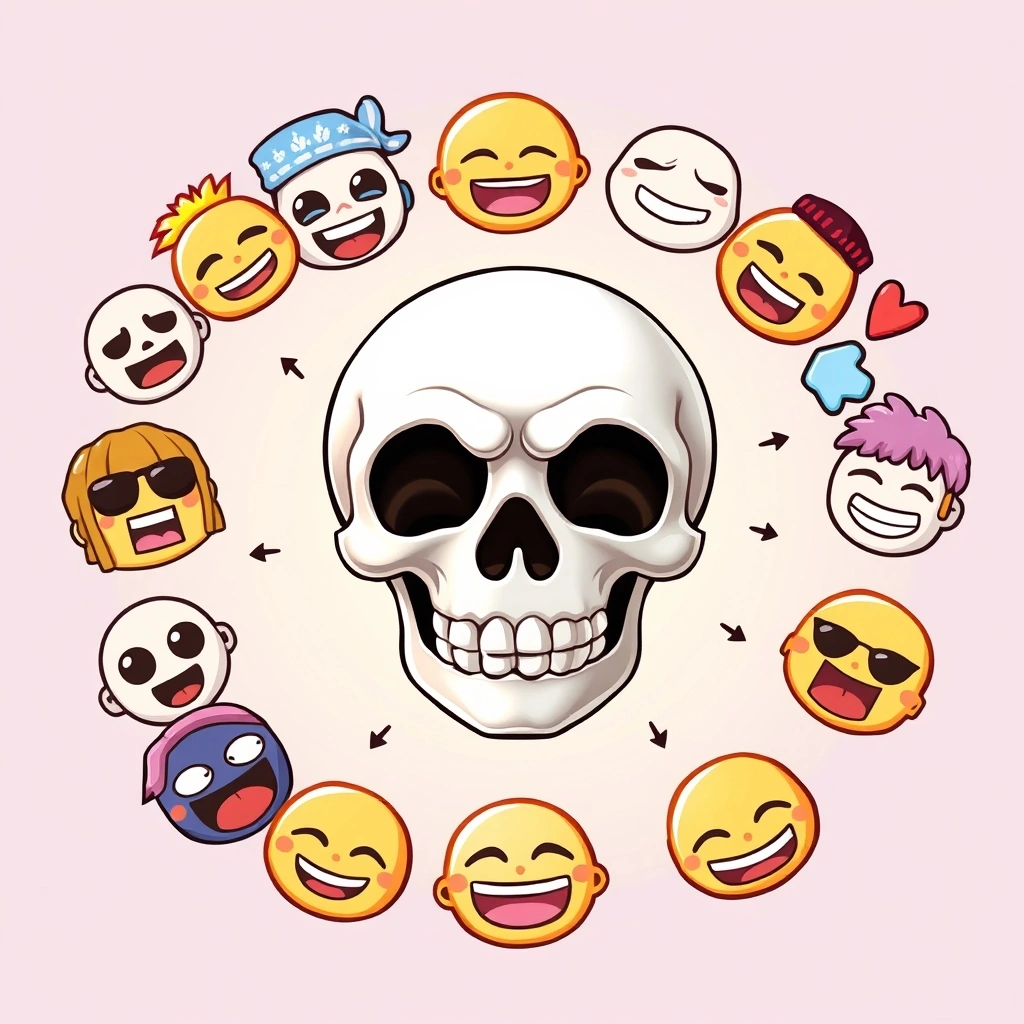
Take the skull emoji 💀, for example. Logically, it signifies death or danger. Yet, for a long time, especially among Gen Z, it became a popular way to express "I'm dead from laughter" or "that's so funny I can't breathe." It’s an extreme form of agreement, a hyperbolic reaction that goes beyond the traditional 😂 or 🤣. It’s not about actually dying; it’s about that feeling of being overwhelmed by something hilarious.
This shift wasn't centrally dictated; it emerged organically from shared online experiences. Someone used it ironically, others picked up on the humor, and before you knew it, the skull emoji had a vibrant, albeit morbidly humorous, new life. It highlights how much our digital interactions are built on shared understanding, even if that understanding deviates wildly from the emoji’s initial design.
From Sincere to Sarcastic: The Irony Effect
Irony is a huge catalyst for emoji meaning changes. Emojis that were once earnest can become infused with sarcasm or a sly wink. The classic crying laughing face, 😂, is perhaps the most famous example. For years, it was the go-to for anything genuinely funny. But as internet culture progressed, especially among younger users, it began to feel... basic. Almost too sincere. Suddenly, using 😂 could imply you were out of touch, or even sarcastically pointing out something that wasn't actually funny.
Instead, many gravitated towards other emojis to denote actual uncontrollable laughter, like the loudly crying face 😭, which ironically now often signifies something so funny it brings you to tears. This subtle but profound shift showcases how a desire for authenticity and an aversion to anything perceived as "cringe" can completely recontextualize our most common digital expressions. For more insights into how generations navigate these digital linguistic shifts, you might enjoy reading The Secret Language of Generations: How Emojis Shape Our Digital Conversations.
The Humble Clown: A Symbol of Foolishness
Another fascinating transformation belongs to the clown face emoji 🤡. Originally, it was just a clown – perhaps for circus-related things or just general silliness. But online, it has blossomed into a powerful symbol for expressing embarrassment, self-deprecation, or the feeling of being foolish. If you make a mistake or say something silly, you might just drop a 🤡 to acknowledge your own blunder. It's a way of saying, "Wow, I really clowned myself there."
This evolution likely stemmed from memes and the idea of "clowning on" someone or being "a clown" when acting absurdly. It's a prime example of how specific online vernacular seeps into and redefines our emoji usage, adding layers of self-aware humor to our digital interactions.
The Power of Community and Context
It's crucial to remember that these changes aren't random. They often originate within specific online communities or subcultures before spreading more broadly. A particular trend on TikTok, a viral thread on Twitter, or a niche joke on Reddit can be the birthplace of a new emoji meaning. The context in which an emoji is repeatedly used starts to override its dictionary definition.
This organic, decentralized process is what makes the study of emoji trends so captivating. It’s a real-time observation of how language and culture intersect in the digital sphere. When you dive into the nuances of how viral moments reshape our digital language, it becomes clear that emojis are far more than just pictures; they're reflections of our collective digital consciousness. You can explore this further by checking out The Secret Life of Emojis: How Viral Moments Reshape Our Digital Language.
Why Does This Matter? Bridging Communication Gaps
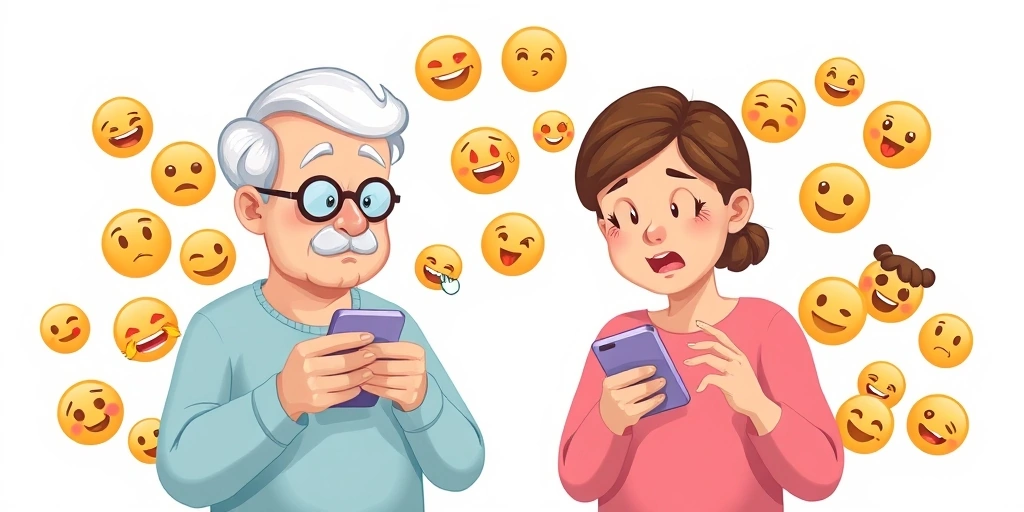
Understanding these evolving meanings is more than just staying "hip" with the kids; it’s about effective communication. Misinterpretations can easily arise when one person is using an emoji with its original intent, while another is using it with its trendy, ironic, or subcultural meaning. This can lead to anything from mild confusion to genuine offense.
It also highlights generational differences. What seems perfectly clear to a teenager might be utterly baffling to their parents, who are still operating on the "old" emoji rulebook. This gap isn't a failure of understanding; it's a natural byproduct of how digital language develops. It's a reminder that fluent digital communication requires a constant, subtle recalibration of our internal emoji dictionaries.
Embracing the Emoji Evolution
So, what's the takeaway from all this? Emojis are living, breathing elements of our digital conversation, shaped by the currents of internet culture and shared experiences. They are mini linguistic chameleons, constantly adapting their colors to fit the prevailing online mood. Instead of resisting these changes, there's a certain joy in observing and even participating in them.
Staying curious, paying attention to how people around you (especially younger generations) use emojis, and being open to new interpretations can enrich your digital interactions immensely. It's a continuous learning curve, but one that makes our online world so much more vibrant and expressive. It's proof that language, in all its forms, never stops evolving, especially in the lightning-fast realm of the internet. For more explorations into this fascinating intersection of digital symbols and societal shifts, feel free to browse our Emoji & Culture / Trends section.
Next time you see an emoji used in a way that surprises you, take a moment. It might just be the latest evolution in our shared digital lexicon, reflecting another subtle shift in how we connect, express, and understand each other online.
📒 Related Blogs
More...The Magic of Emoji Combos: How Pairs Tell a Deeper Story
Beyond the Text: How Emojis Add Intention to Your Short Messages
Lost in Translation? The Surprising Ways Emojis Stir Up Mixed Reactions Online
The Instant Feeling: How Emojis Spark Our Quickest Emotional Reactions
Beyond the Smile: Understanding the Global Cultural Nuances of Emojis