Lost in Translation? The Surprising Ways Emojis Stir Up Mixed Reactions Online

Dec 26,2025
Emojis have woven themselves so deeply into our daily digital fabric that it’s hard to imagine texting or scrolling without them. They're meant to add a dash of emotion, a tone, or a quick visual shorthand to our words, making our online conversations feel a little more human. Yet, for all their widespread use and apparent simplicity, emojis are far from a universal language. In the bustling, fast-paced world of public replies on social media, in large group chats, or comment sections, a single emoji can often become a source of fascinating, and sometimes frustrating, mixed interpretations.
The Silent Shrug of a Thumbs-Up
Take, for instance, the classic thumbs-up emoji 👍. For many, it's a straightforward sign of agreement, approval, or "got it." It's efficient, quick, and universally understood, right? Not always. In certain contexts, or to particular demographics, it can come across as dismissive, passive-aggressive, or even sarcastic. Imagine a boss replying to a detailed proposal with just a 👍. Is that genuine approval, or a sign they barely glanced at it and can’t be bothered to type more? In a public forum, someone might post a heartfelt story, only to receive a slew of thumbs-up. While some intend support, others might see it as trivializing their experience, failing to engage with the depth of their words.
When Laughter Turns to Skepticism
The ‘face with tears of joy’ 😂 used to be the undisputed king of emojis, signifying genuine, uncontrollable laughter. And for many, it still does. But over time, especially among younger generations, its meaning has subtly shifted. What was once hearty amusement can now be perceived as ironic laughter, a sign of something being so absurd it’s funny, or even a subtle form of mockery. If someone posts something controversial or genuinely confusing, and the comments are filled with 😂, is the crowd laughing with them or at them? The nuance is often lost, leaving the original poster to wonder about the true sentiment behind those smiling, tearful faces.
It’s a tricky tightrope we walk. We want to express ourselves quickly and efficiently, but the very tools we use for clarity can sometimes muddy the waters. The beauty and complexity of human communication lie in its subtleties, and emojis, for all their power, are still evolving in how they convey those nuances across a broad audience. It's not just about what the emoji technically depicts, but what it has come to signify through collective, often subconscious, usage patterns.
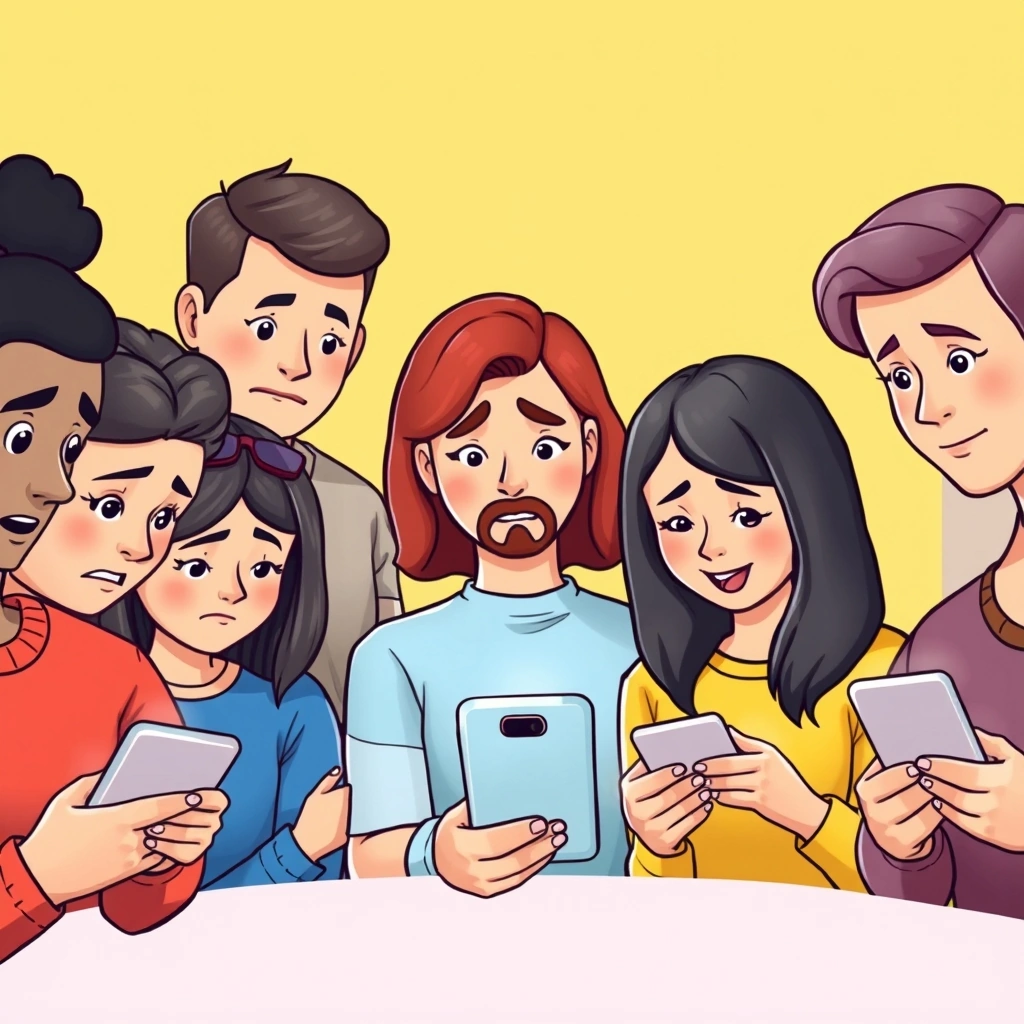
Beyond the Obvious: Context is Everything
This challenge of interpretation isn't limited to just a few emojis. Almost any emoji can take on different shades of meaning depending on who's sending it, who's receiving it, the platform it's used on, and the preceding text. The innocent skull emoji 💀, for example. Is someone dying of laughter because something was hilarious, or are they expressing exasperation, or even mild annoyance? It’s rarely about literal death, but the exact emotional flavor it carries can swing wildly.
Cultural differences also play a significant role. What’s perfectly acceptable or has a common meaning in one culture might be entirely different, or even offensive, in another. While emoji sets are largely standardized, the way people interpret and apply them is deeply rooted in their cultural background and social norms. This makes public international forums particularly susceptible to these kinds of interpretive gaps, where what was intended as friendly banter might be misconstrued as a slight.
Navigating the Digital Minefield of Misunderstanding
When an emoji lands differently than intended in a public reply, the ripple effect can be immediate. Sometimes it's just a moment of awkwardness or a puzzled reaction. Other times, it can escalate into a full-blown misunderstanding or even lead to unintended offense. People might feel invalidated, confused, or even targeted, simply because a small digital icon didn't carry the precise emotional weight the sender thought it did. This highlights how crucial it is to consider your audience, especially in public digital spaces.
Understanding the common pitfalls and evolving meanings of emojis can help us all communicate more effectively. Sometimes, adding a few clarifying words alongside an emoji, especially in sensitive discussions, can prevent a lot of headaches. It's about being mindful that not everyone shares the same "emoji dictionary" in their head, and that context truly is king. For more insights into common emoji blunders and how to avoid them, exploring emoji mistakes and misuse can be really helpful.
Ultimately, emojis are powerful tools for expression, but like any language, they come with their own set of complexities and evolving rules. The public sphere, with its diverse voices and interpretations, serves as a fascinating crucible where these meanings are constantly tested and reshaped. It's a reminder that even in our highly visual, shorthand digital world, clear and empathetic communication remains an art, not just a science. And sometimes, the simplest emoji holds the most profound, or the most confusing, interpretations.
📒 Related Blogs
More...The Quiet Sigh: How Emojis Express Disappointment When Words Feel Too Risky
The Tiny Icons That Shape Your Feed: How Emojis Drive Reactions on Social Media
The Secret Power of Emoji Order: How Sequence Changes Everything in Your Comments
The Silent 'I'm Here': How Emojis Become Our Everyday Digital Nods
The Quiet Power of Emojis: How They Build Confidence in Private Chats
The Secret Language of Emojis: How They Soothe Our Digital Jitters