The Secret Language of Emojis: How They Soothe Our Digital Jitters

Jan 07,2026
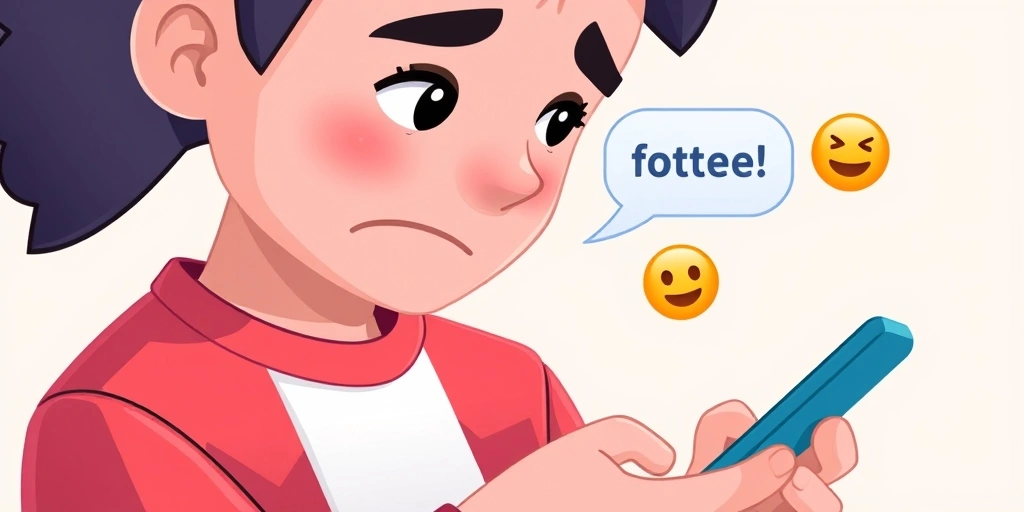
It's a familiar scenario, isn't it? You're staring at your screen, fingers hovering over the keyboard, wrestling with a message you need to send. Maybe it's a slightly awkward request, a gentle nudge, or even just a quick reply to something that feels a bit loaded. The words are there, but something holds you back. That little voice whispers, "How will this sound? Will they get my tone?" In our increasingly digital world, these moments of hesitation are more common than we might admit. We yearn for the nuance of face-to-face conversation, the unspoken cues that make interaction so much smoother.
But what if there was a simple, elegant solution hiding in plain sight? What if a tiny, colorful icon could act as a bridge, carrying your true intention across the digital divide? That's precisely what emojis do for us. They've evolved from simple punctuation replacements to powerful tools that subtly soften the edges of our messages, helping us navigate the trickiest conversational waters with a little more grace and a lot less anxiety.
The Art of Softening Digital Interactions
Think about it. Sending a plain text "Can you do this for me?" can feel demanding, even harsh. Add a 🙏 or a 😊, and suddenly, the request transforms. It becomes "Can you do this for me? Please and thank you!" or "Can you do this for me? I'd really appreciate it!" The emoji isn't just decoration; it's a verbal softener, a non-verbal cue that speaks volumes about your tone and respect. It's a quick way to communicate politeness, gratitude, or even a touch of self-deprecation that makes the recipient feel at ease.
We often hesitate because we're worried about how our words might be perceived. Without body language or vocal inflection, text can easily come across as blunt, cold, or even aggressive. Emojis step in to fill that void. A simple 😂 after a playful jab ensures it's read as humor, not an insult. A lighthearted 😬 when you're slightly delayed reassures the other person that you're aware and apologetic, without having to write a lengthy explanation. They help us manage the emotional landscape of our conversations, making sure our messages land exactly as intended.
Building Confidence, One Emoji at a Time
This isn't just about how others receive our messages; it's also about how we feel when sending them. That moment of hesitation often comes with a knot in our stomach, a sense of unease. By adding an emoji, we gain a little boost of confidence. We know we've done our best to convey our true meaning, to be understood. This reduces our own anxiety, allowing us to hit "send" with less trepidation. It’s like having a little emotional shield, protecting us from potential misinterpretation. For more on this, check out how emojis can really boost confidence in subtle conversations: The Quiet Power of Emojis: Boosting Confidence in Subtle Conversations.
Handling Delicate Topics with Grace
Emojis are particularly invaluable when dealing with topics that could be awkward or sensitive. Imagine needing to decline an invitation, remind someone about a missed deadline, or even just ask a slightly personal question. A blunt "No" or "You owe me" can damage relationships. But a carefully chosen emoji – perhaps a sympathetic 😔 with "So sorry, I can't make it," or a gentle reminder like "Just wanted to ping you about this week's report! 😊" – can make these necessary but uncomfortable interactions much smoother. They allow us to be direct without being harsh, to be clear without being cold.
The Evolution of Digital Empathy
This isn't to say emojis are a magic bullet for all communication challenges, but their role in fostering digital empathy cannot be overstated. They allow us to inject personality, warmth, and a human touch into what can often feel like a sterile text exchange. They're a shortcut to showing we care, we understand, or we're just trying to be friendly. They allow us to express emotions that words alone might struggle to capture efficiently, especially when we're trying to keep a message concise. Exploring the deeper connection between emojis and our feelings is a fascinating journey; you can dive into more insights about how these tiny icons interact with our emotional world in the Emoji & Emotion category.
Over time, I've noticed this pattern in my own messaging and in how others communicate with me. The messages that include a well-placed emoji often feel less intimidating, more approachable. They invite a warmer response, creating a more positive interaction loop. It’s a subtle dance, but once you start paying attention, you see how these tiny icons continuously reshape our digital interactions, making them more human, more forgiving.
It's fascinating how a single character can carry so much weight. From a simple "okay 👍" that conveys enthusiastic agreement rather than mere compliance, to a "thinking of you ❤️" that sends a wave of comfort, emojis have become an integral part of our emotional vocabulary. They allow us to add layers of meaning, ensuring that even short messages resonate with genuine feeling. This is especially true when we are navigating emotional landmines in digital spaces; emojis truly help soften those awkward moments. You can read more about this here: Navigating Emotional Landmines: How Emojis Soften Awkward Digital Moments.
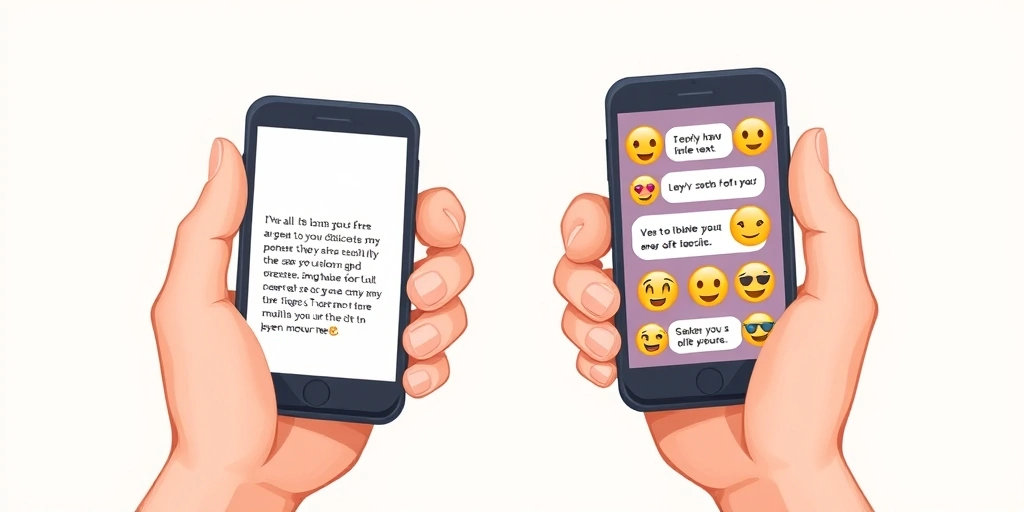
Ultimately, emojis give us permission to be a little more vulnerable, a little more human, even when we're just typing on a screen. They remind us that there's a person on the other side, and they encourage us to communicate with kindness and consideration. They're not just cute pictures; they're essential tools for expressing ourselves fully, for overcoming those moments of digital doubt, and for making every message a little less daunting and a lot more delightful. They truly bridge the gap when our nerves make us hesitate, turning a potentially cold text into a warm, inviting exchange.
📒 Related Blogs
More...The Hidden Power of Emojis in Your Private Chats
The Quiet Sigh: How Emojis Express Relief in Our Most Emotional Moments
The Hidden Language: How Emojis Subtly Shape Your Digital Reactions
Beyond Words: The Subtle Power of Emojis in Navigating Sensitive Conversations
How Emojis Become the Heartbeat of Viral Moments
The Unspoken Rules: How Emojis Shape What We Really Mean in Text