The Hidden Power of Emojis in Your Private Chats

Jan 17,2026
Think about your last text conversation. Maybe it was with a close friend, a family member, or someone you're getting to know. The words you typed were just one part of the story. The real magic—or the potential for confusion—often lies in those little icons we sprinkle throughout our sentences.
In a one-on-one chat, there's no room for a chorus of voices to set the tone. It's just you, the other person, and the screen. Without the cues of body language or vocal inflection, our messages can feel stark, even cold. This is where emojis step in, not as frivolous decorations, but as essential tools for emotional clarity.
They act as digital body language. A simple "okay" can feel dismissive, but "okay 😊" feels agreeable and warm. A "fine" might seem passive-aggressive, while "fine 👍" signals genuine acceptance. The emoji provides the emotional context the plain text lacks, guiding the recipient toward the correct interpretation of your intent.
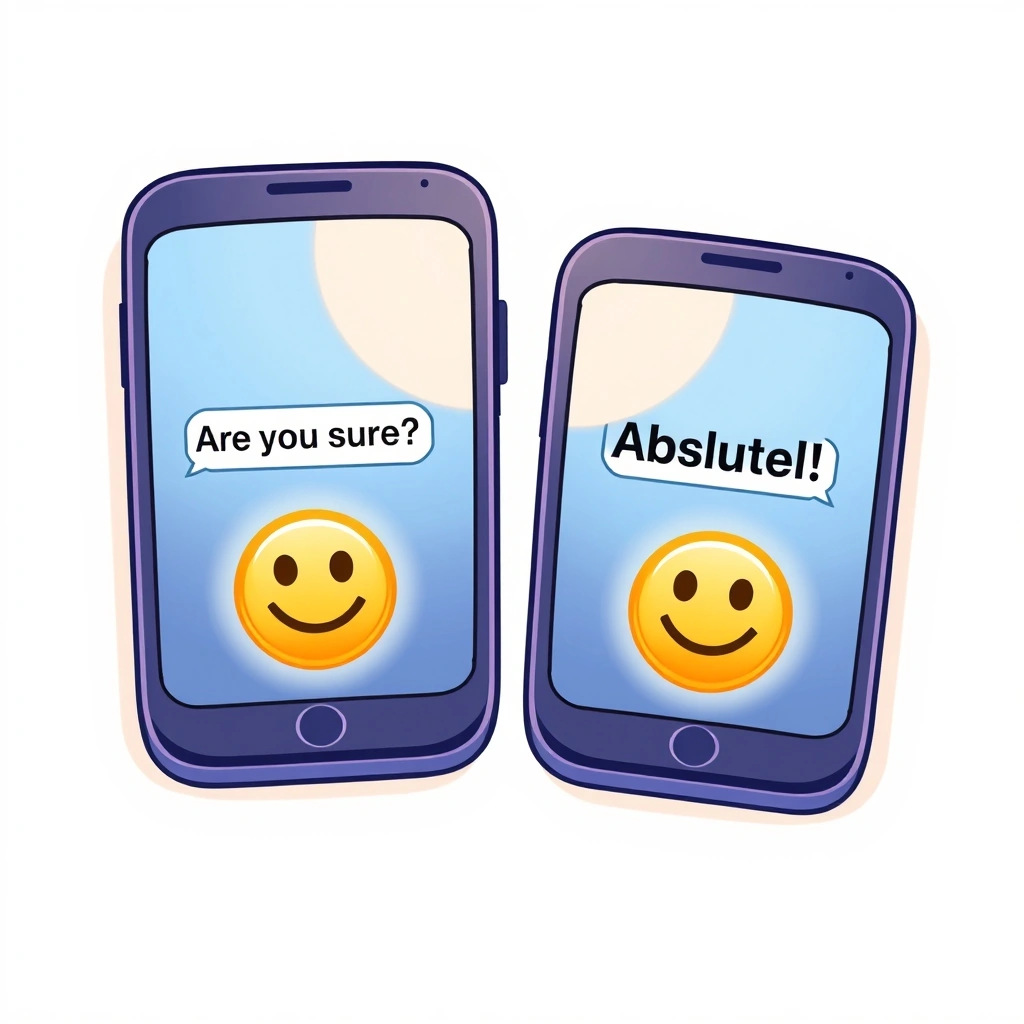
This becomes especially crucial when navigating sensitive topics or delivering feedback. Telling a friend their idea "needs work" is a blunt statement. Saying it "needs work 🤔💡" frames it as collaborative thinking. The emojis soften the message, showing you're engaged in the process with them, not just critiquing from the sidelines.
Over time, emojis help build a private language between two people. That inside joke encapsulated in a specific emoji sequence, or the habitual use of a heart emoji to sign off, creates a layer of intimacy and shared understanding. It's a way of saying, "You get me," without having to spell it out every time.
Of course, this power comes with responsibility. Misinterpretation is always a risk. An emoji that feels playful to you might read as sarcastic to someone else. The infamous grimace 😬, for instance, can signal awkwardness, sympathy, or even mild regret, depending entirely on the preceding conversation. This ambiguity is why paying attention to how your chat partner uses emojis is just as important as choosing your own.
For a deeper look at how these dynamics play out in group settings, you might find this analysis on how emojis steer casual chats really interesting. The principles are similar, but the stakes feel uniquely personal in a private message thread.
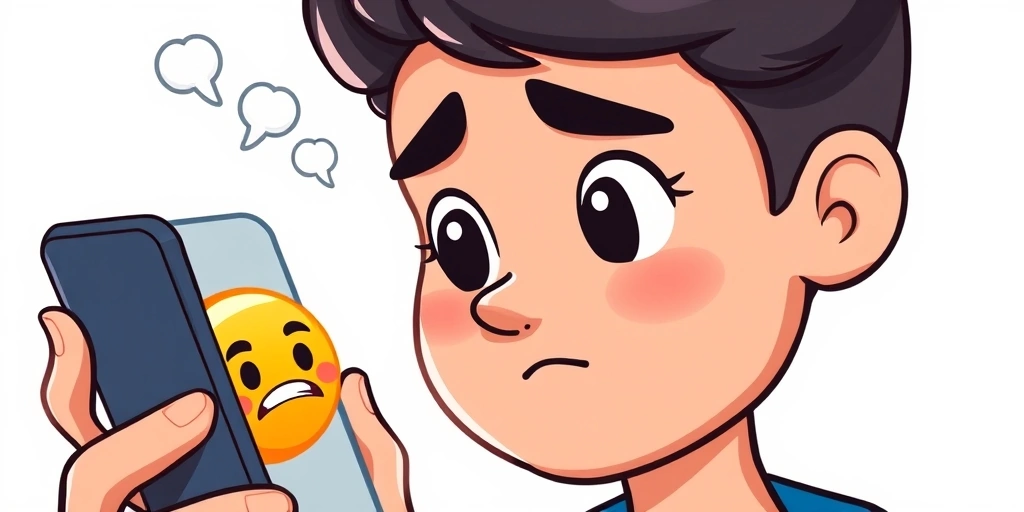
Ultimately, emojis in one-on-one chats are about connection. They're the nods, the winks, the gentle tones of voice we instinctively use in face-to-face conversation. They fill the emotional void of digital text, allowing us to be more nuanced, more empathetic, and more authentically ourselves across the distance.
They shape not just how a single message is read, but the entire emotional arc of a relationship built through a screen. A chat history filled with thoughtful emoji use tells a story of warmth and attentiveness, while a thread devoid of them can feel transactional and distant.
So next time you pause before hitting send, consider the emoji. That one small icon isn't just an afterthought—it's the key to ensuring your heart, and not just your words, reaches the person on the other side. The secret language of our digital age is written in these tiny, powerful symbols, as explored further in this piece on how emojis shape every online conversation.
📒 Related Blogs
More...The Fascinating Evolution of Emojis: From Simple Emoticons to Global Icons
The Unspoken Language: How Emojis Cut Through Text in Familiar Chats
The Emoji Awkwardness: When a Smiley Face Just Doesn't Feel Right
Lost in Translation? The Surprising Ways Emojis Stir Up Mixed Reactions Online
Unleash Your Creativity: A Guide to Designing Custom Emojis
Emoji Etiquette: Mastering the Unwritten Rules of Digital Communication