The Hidden Language: How Emojis Subtly Shape Your Digital Reactions

Jan 07,2026
In the fast-paced world of digital communication, where words can sometimes feel flat and devoid of nuance, emojis have emerged as silent, powerful architects of our subconscious reactions. We often add them instinctively, perhaps to soften a message, add a touch of humor, or convey warmth. Yet, their impact goes far beyond simple embellishment. These tiny ideograms are psychological cues, subtly guiding how we perceive, interpret, and emotionally respond to the text we read, influencing us in ways we might not even consciously realize.
The Silent Language of Emotion and Intent
Imagine receiving a text message that simply says, "Okay." Depending on the context, the sender, and your current mood, this single word could be interpreted in a myriad of ways: agreement, exasperation, indifference, or even passive-aggressiveness. Now, consider "Okay 👍" or "Okay 🙄" or "Okay 😊." Suddenly, the ambiguity vanishes. The emoji acts as a non-verbal tone indicator, much like a facial expression or vocal inflection in face-to-face conversation. It provides crucial emotional context, directing our subconscious to lean towards a specific interpretation.
This ability to infuse text with emotional undertones is one of the most profound psychological effects of emojis. They bridge the gap created by the absence of body language and vocal cues in digital interactions, allowing us to transmit and receive emotional signals more effectively. Our brains, wired for social interaction, naturally seek these cues, and emojis provide an accessible substitute. They help us understand if a message is meant playfully, seriously, sarcastically, or with genuine warmth, shaping our emotional response before we even fully process the words.
Mimicking Human Connection
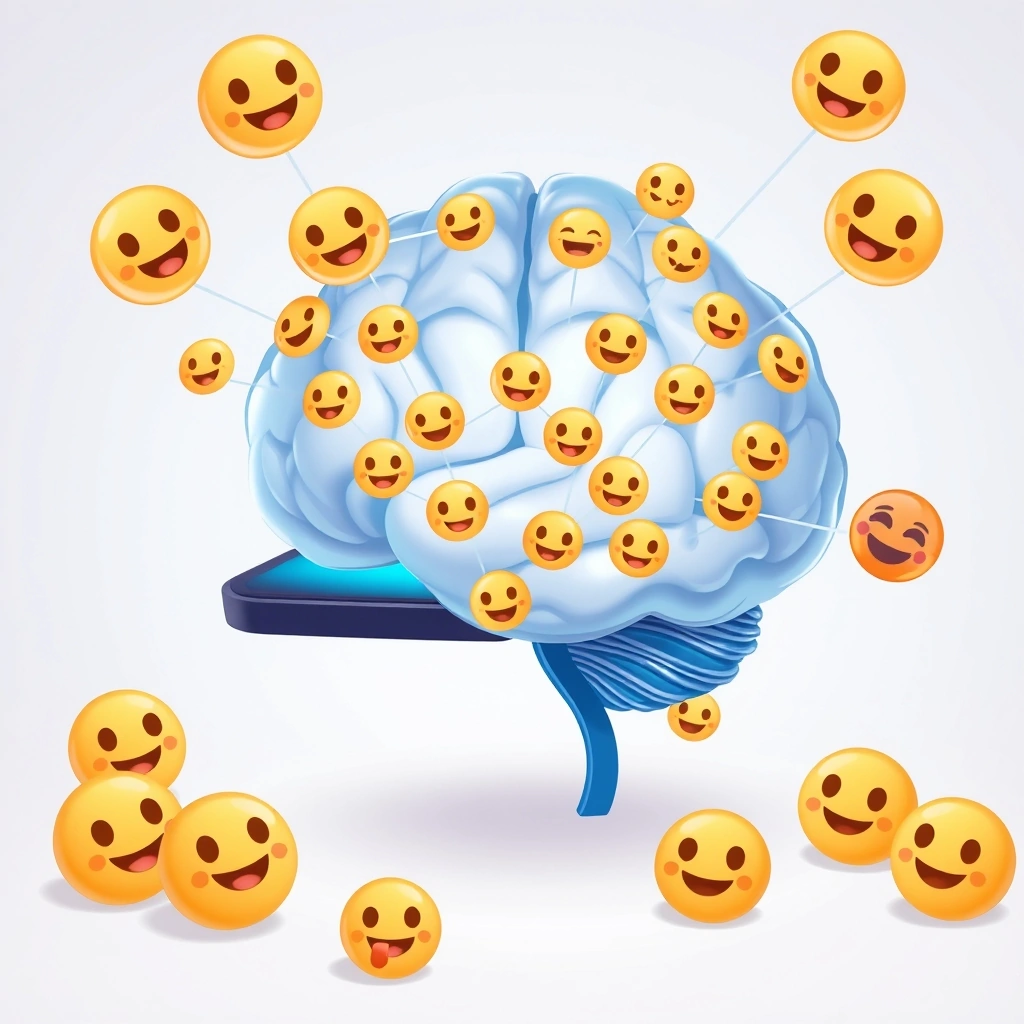
Our brains are incredibly adept at processing visual information and associating it with emotions. When we see a smiling face emoji, for instance, our brains can trigger a similar positive emotional response to seeing a real smile. This isn't just about understanding the symbol; it's about experiencing a subtle form of emotional contagion. This makes digital interactions feel more human, personal, and less transactional. It helps foster a sense of connection and rapport, even across vast distances.
Research suggests that emojis can activate areas of the brain associated with processing faces and emotions. This means our minds are working harder, or perhaps more efficiently, to decode the emotional layer that emojis add. This subtle neurological activity impacts how we perceive the sender – making them seem friendlier, more approachable, or more empathetic. It's an unspoken agreement that adds depth to our digital dialogues. For more on the deep psychological ties, explore our Emoji Psychology category.
Guiding Perceptions and Expectations
Beyond clarifying immediate emotional states, emojis also subtly guide our expectations about the interaction. A message peppered with positive emojis tends to prime us for a positive exchange, making us more receptive and open. Conversely, the absence of emojis, or the use of more neutral ones, can subconsciously signal a more formal or serious tone, adjusting our mental framework accordingly. This sets a preliminary stage for how we engage with the content and the sender.
Consider a work email. A casual "Thanks!" might seem abrupt, but "Thanks! 👍" feels more appreciative and collaborative. The emoji, in this instance, isn't just decoration; it's a silent signal that subtly influences our perception of professionalism and collegiality. It can make the difference between a neutral response and one that strengthens a working relationship, demonstrating an often-unconscious understanding of digital social graces.
The Power of Subtlety in Thought Processing
Emojis also play a role in how we cognitively process information. By injecting emotional cues, they can reduce the cognitive load required to interpret ambiguous text. When a message is clear in its emotional intent, our brains don't have to expend as much energy trying to decipher underlying meaning or potential sarcasm. This allows for smoother, more streamlined communication. They act as shorthand for complex feelings, making our digital thoughts more efficient.
This efficiency is critical in today's fast-paced digital world. A quick glance at a message with an emoji can instantly convey information that would otherwise require multiple words, or even a mental pause to process tone. In this way, emojis don't just add emotion; they also instantly streamline your digital thoughts, allowing us to react and respond more quickly and appropriately.
Building Emotional Bridges Unconsciously
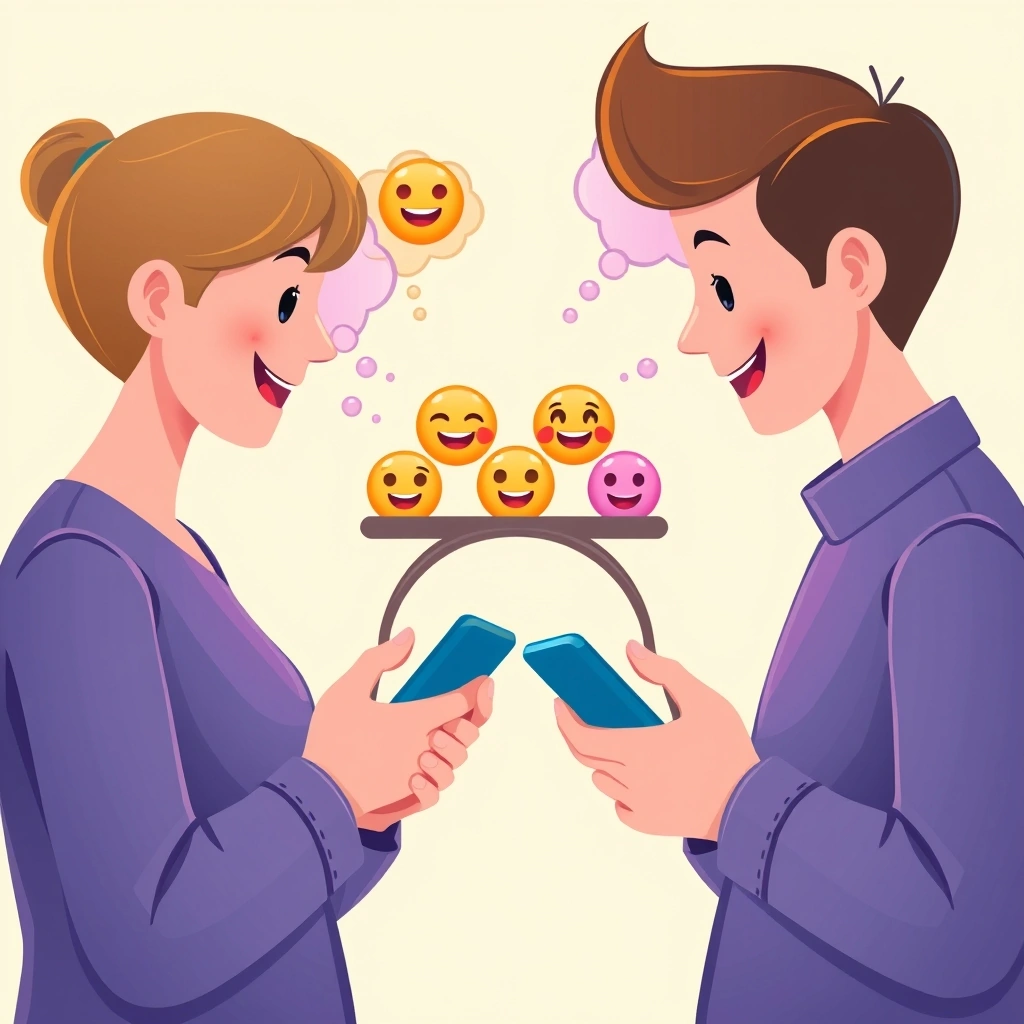
Perhaps one of the most profound subconscious impacts of emojis is their ability to build emotional bridges. In a text-based world, it's easy for miscommunications to arise due to a lack of emotional context. Emojis serve as tiny mediators, offering a visual cue that can soften a critique, emphasize sincerity, or express empathy without needing explicit words. This creates a safer, more emotionally resonant space for interaction.
When someone uses a crying face emoji after sharing a sad story, or a celebratory emoji for good news, they are not just expressing their own feelings; they are inviting us to share in that emotion. This shared emotional experience, even through digital symbols, strengthens bonds and fosters a deeper sense of understanding. It’s this capacity to connect on an emotional level that allows emojis to instantly bridge emotional gaps in digital chats, making our online interactions richer and more meaningful.
The Unseen Influence on Rapport
The consistent use of emojis, particularly positive ones, can subconsciously build rapport over time. When we consistently receive messages that feel warm, friendly, and emotionally clear, we develop a positive association with the sender. This rapport can extend beyond casual conversations, influencing how we perceive colleagues, clients, and even brands. It’s a subtle form of emotional branding, where the feeling evoked by the emoji transfers to the source of the message.
This subconscious influence means that our choice of emoji, or lack thereof, can have a tangible impact on the relationships we cultivate online. They are not merely decorative additions but integral components of our digital personas, broadcasting subtle signals about our emotional availability, our communication style, and our overall disposition. We absorb these signals constantly, adjusting our own reactions and perceptions almost automatically.
Conclusion: The Silent Orchestrators of Digital Emotion
From clarifying intent to fostering empathy and building rapport, emojis are much more than expressive shorthand. They are potent psychological tools that subtly orchestrate our subconscious reactions in written communication. They fill the void left by non-verbal cues, making our digital conversations richer, clearer, and more emotionally resonant. So, the next time you tap that little smiley face or thumbs up, remember the profound, silent work it’s doing—shaping perceptions, guiding emotions, and silently strengthening the bonds of human connection, one pixel at a time.
📒 Related Blogs
More...How Emojis Rewire Our Brains: The Hidden Psychology of Digital Tone
The Journey of Emojis: From Early Kaomoji to Global Unicode Standards
The Secret Weapon: How Emojis Balance Directness & Warmth in Work Task Coordination
The Unsung Heroes of Your Chats: How Emojis Keep Digital Conversations Flowing Smoothly
Beyond Words: The Subtle Power of Emojis in Navigating Sensitive Conversations