The Unspoken Rules: How Emojis Shape What We Really Mean in Text

Jan 29,2026
Think about the last time you sent a simple "okay" in a text. Now, picture sending "okay 😊" versus "okay 😐" or even "okay 👌". They're not the same message at all, are they? In the rapid, word-limited world of casual chats, emojis have become our essential tone-setters. They do more than just decorate a sentence; they actively shape how the person on the other end interprets our intent, often without either of us consciously realizing it.
This happens because our brains are wired for social and emotional cues. When we talk face-to-face, we rely on tone of voice, facial expressions, and body language. In a text message, all of that rich context is stripped away, leaving behind bare words that can be painfully ambiguous. Emojis step into that void. They provide the missing emotional data, and our minds process them almost instantly, coloring our entire understanding of the message.
The Instant Emotional Filter
When you receive a message, your brain doesn't just read the words—it immediately starts searching for context to understand the sender's emotional state. An emoji acts as a high-speed filter. A smiling face 😊 tells your brain to interpret the accompanying words as friendly, warm, or positive. A neutral face 😐 might signal seriousness, disappointment, or simple matter-of-factness, prompting a more cautious or literal reading.
This process is largely automatic. You don't see "Great job 😒" and consciously think, "Ah, the rolling eyes emoji indicates sarcasm, therefore I must reinterpret 'great job' as its opposite." Instead, the emoji and the words fuse together in your perception, and you understand the sarcastic intent in one seamless moment. The emoji has directly influenced your interpretation.
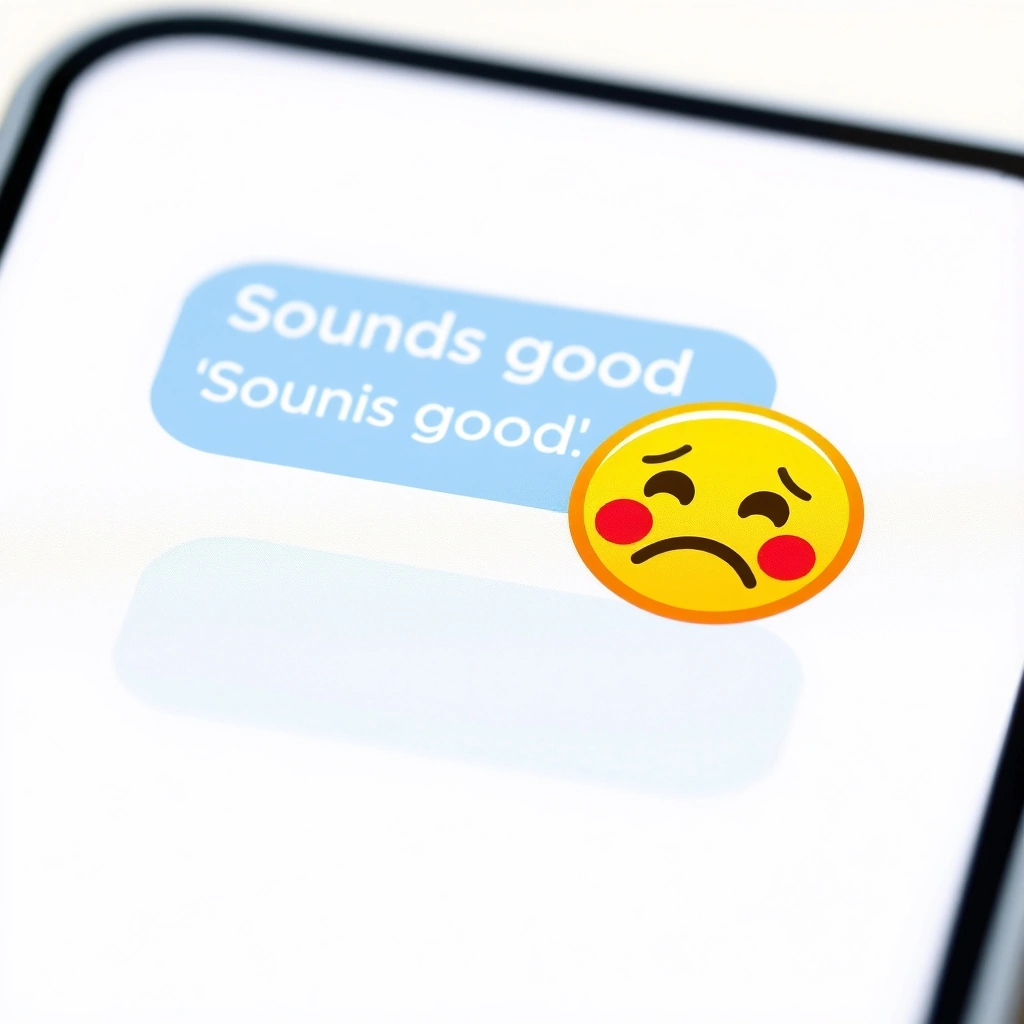
Beyond Sarcasm: Nuance and Softening
While sarcasm is a classic example, emojis are masters of subtlety. They're often used to soften what could otherwise be read as blunt or harsh. A request like "Can you send me that file?" can feel like a cold demand. But "Can you send me that file? 🙏" introduces a note of politeness and appreciation. The praying hands emoji isn't literally about prayer; it's a visual stand-in for "please" and "thank you," making the ask feel more collaborative and less like an order.
Similarly, a simple period at the end of a sentence in a chat can sometimes be interpreted as passive-aggressive or final. Ending with a period and a heart ❤️. or a smiling face 😄. completely changes that perception, re-establishing a connection and warmth. This is a key part of the secret language of emojis—they manage relational tone in an environment where tone is easily lost.
When Emojis Create (or Solve) Conflict
Because this interpretation is so swift and subconscious, mismatches can lead to real confusion. If you're in a serious, tense conversation and the other person uses a laughing-crying emoji 😂, you might feel they're not taking things seriously. Conversely, they might be using it to diffuse tension, which you could misinterpret as dismissiveness. The emoji's intended meaning clashes with the receiver's emotional context, creating a disconnect.
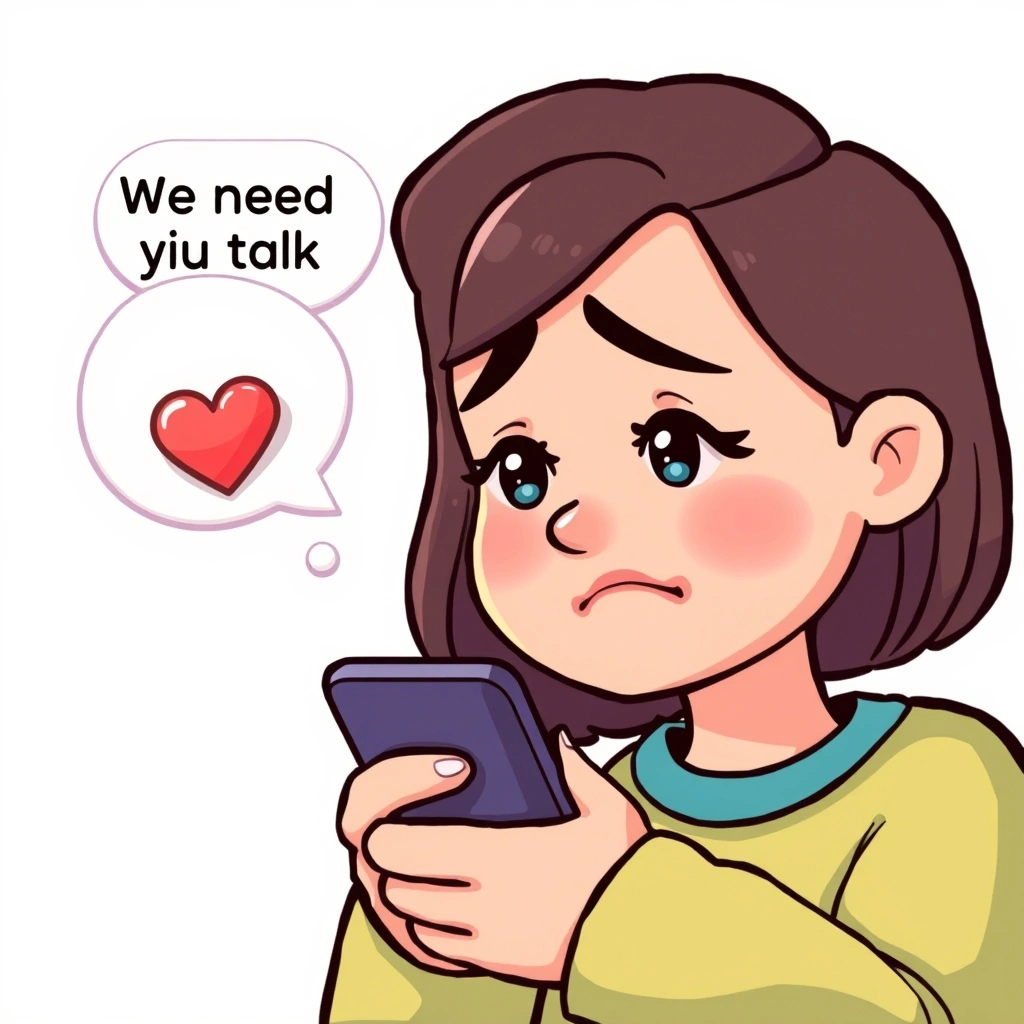
On the flip side, a well-chosen emoji can prevent conflict. A partner texting "We need to talk" can send a chill down anyone's spine. That same message followed by a red heart ❤️ or a nervous smile 😅 immediately reframes the intent from ominous to something likely caring or slightly awkward. The emoji provides crucial disambiguation, steering the interpretation away from panic and toward concern or love.
This power extends to how we are perceived overall. The emojis we consistently choose contribute to our digital persona. Are you someone who uses a lot of hearts and sparkles? People may see you as warm and enthusiastic. Do you favor the thumbs up 👍 and check mark ✅? You might be perceived as efficient and direct. These tiny icons become part of our communicative identity.
It's Not Just About the Face
While face emojis are the most direct emotional carriers, object and symbol emojis play a huge role. The fire emoji 🔥 can turn "That presentation was good" into high praise. The skull 💀 can signify something is hilariously bad. The waving hand 👋 can make a goodbye feel friendlier than a simple "bye." Each carries a bundle of cultural and contextual meaning that our brains quickly unpack.
The key takeaway is that in practice, we are not just adding emojis to our words. We are using them to construct the emotional framework of our message. They are the invisible directors of our textual conversations, guiding the other person's feelings and reactions. In a medium where intent is fragile, they are our most reliable tools for ensuring we are understood—not just for what we say, but for how we mean it.
To explore more about how these small symbols impact our digital lives, delve into other insights on emoji psychology. The way we communicate is evolving, one tiny, colorful icon at a time.
📒 Related Blogs
More...Emojis in Pop Culture: How They Influence Movies, Fashion & Beyond
The Secret Language: How Emojis Make Our Digital Chats Flow Effortlessly
The Silent Architects: How Emojis Shape Public Opinion and Drive Social Reactions Online
Decoding Emoji Trends: What's Hot, What's Not, and Why It Matters
The Emoji Revolution: How Pictograms Are Reshaping Our Daily Communication
The Secret Ingredient to Playful Chats: How Emojis Turn Talk Into a Game