The Hidden Power of Emojis: How a Simple 😊 Shapes How Others See You Online

Jan 27,2026
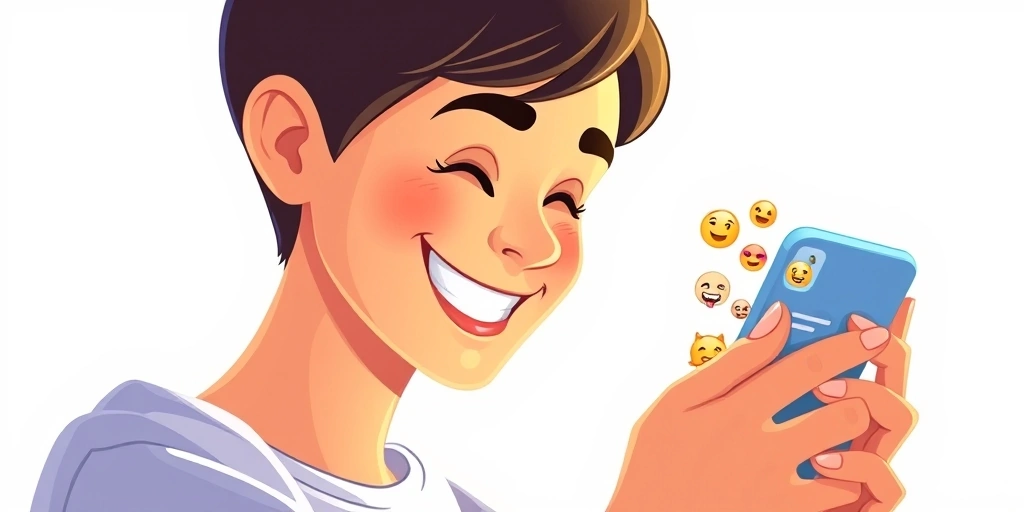
Think about the last text you sent. Did you add a smiley face? A thumbs up? That tiny, colorful icon wasn't just a flourish—it was a powerful psychological signal. In a world where our words appear on a screen, stripped of tone of voice and body language, emojis have become our digital body language. They don't just decorate our messages; they actively shape how the person on the other end perceives us, our intentions, and even our personality.
From a psychological standpoint, every interaction is an exercise in social perception. We're constantly forming impressions of others based on the cues they give us. Online, those cues are severely limited. This is where emojis step in, filling the emotional void left by text alone.
Beyond Decoration: Emojis as Social Glue
When you use an emoji, you're not just sending a picture. You're sending a packet of social and emotional information. Research suggests that emojis serve three key psychological functions in shaping perception: they clarify intent, convey emotional warmth, and establish social rapport.
Consider a simple "Okay." On its own, it can feel cold, dismissive, or even passive-aggressive. But "Okay 👍" or "Okay 😊" instantly changes the perception. The first suggests agreement and competence; the second adds a layer of friendliness and approval. The emoji acts as a disambiguator, steering the reader's interpretation toward the sender's intended meaning and preventing a misreading of digital tone.
The Warmth vs. Competence Trade-Off
Psychologists often talk about two primary dimensions of social perception: warmth (friendliness, trustworthiness) and competence (intelligence, capability). In face-to-face interactions, we balance these effortlessly. Online, it's trickier. A very formal, correct message may project high competence but low warmth, making the sender seem cold or unapproachable.
Emojis are a secret weapon for injecting warmth. A well-placed smiling emoji in a work email or a team chat can make the sender seem more collaborative and friendly without detracting from the substance of the message. It softens the edges of digital text, making the interaction feel more human and connected. This builds trust, which is the foundation of any positive relationship, professional or personal.
How Emojis Color Your Personality (Online)
The emojis you consistently choose contribute to the online persona others build of you. Are you someone who uses a lot of hearts ❤️ and sparkles ✨? You might be perceived as enthusiastic, affectionate, or optimistic. Do you favor the thinking face 🤔 or the rolling eyes 🙄? This could paint a picture of someone who is analytical or sarcastically humorous.
This isn't about being inauthentic; it's about using the tools available to express facets of your personality that plain text struggles to convey. Your emoji lexicon becomes part of your unique digital fingerprint, helping others feel like they "know" you better, even through a screen.
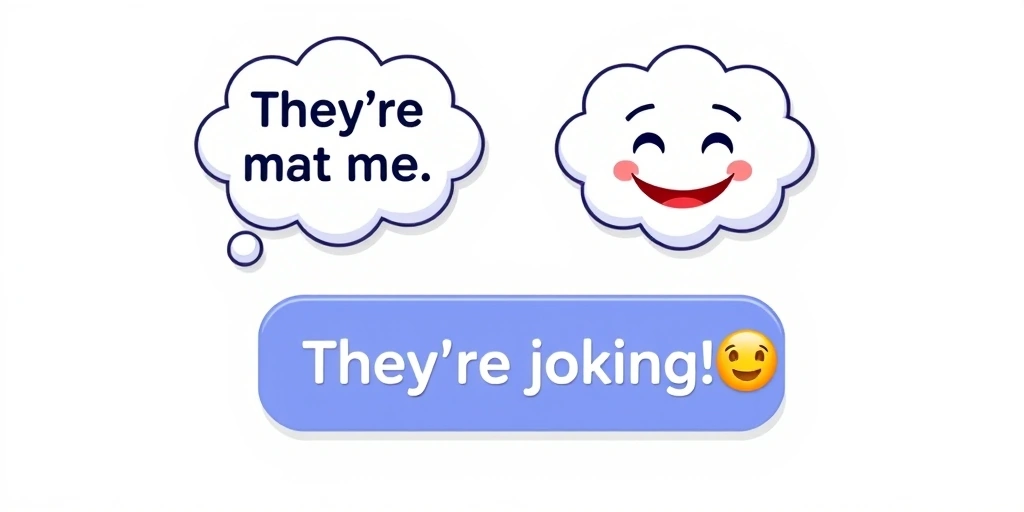
Of course, perception is a two-way street. We also make snap judgments based on the emojis others use. A message laden with red angry faces 😠 will be perceived very differently from one sprinkled with tears of joy 😂. We instinctively decode these symbols, often subconsciously, to gauge the other person's emotional state and attitude toward us. You can dive deeper into this secret language of emojis to understand the nuances.
The Risk of Misperception
The power of emojis comes with a caveat: they are not universally interpreted. Generation, culture, and even platform (an emoji may look different on an iPhone vs. an Android) can alter meaning. The "folded hands" emoji 🙏, for example, is used for prayer, thanks, or a high-five depending on context and culture. A misaligned interpretation can lead to confusion or unintended offense.
This is why context is king. The same winking face 😉 can be seen as playful among friends but as unprofessional or even flirtatious in a different setting. Being mindful of your audience and the relationship you have with them is crucial for ensuring your intended perception matches the received one.
Using Your Newfound Knowledge
Understanding the psychology behind emojis empowers you to communicate more effectively. You can strategically use them to:
- Build Trust: Add a friendly emoji to soften requests or feedback.
- Prevent Misunderstanding: Clarify tone in ambiguous messages (sarcasm is especially risky in text!).
- Strengthen Bonds: Mirror the emoji style of close friends or colleagues to foster rapport.
- Project Your Desired Image: Consciously choose emojis that align with how you wish to be perceived in a given context.
Emojis are far more than digital stickers. They are a fundamental component of modern social perception, a psychological toolkit we all carry in our pockets. The next time you go to tap that smiley face, remember—you're not just adding decoration. You're carefully crafting how another human being sees you in the vast, word-filled landscape of the internet. For more insights into the intersection of symbols and the mind, explore our collection on emoji psychology.
📒 Related Blogs
More...Emoji Evolution: From Simple Pixels to Global Pop Culture Icons
The Unexpected Tone Twists: How Emojis Can Complicate Casual Conversations
Beyond Words: How Emojis are Revolutionizing Global Communication
Emoji Fails: When Your Public Reply Gets Lost in Translation
The Tiny Heroes of Clarity: How Emojis Stop Misunderstandings in Their Tracks
How a Simple Emoji Can Save You From Awkward Digital Silence