The Unexpected Tone Twists: How Emojis Can Complicate Casual Conversations

Dec 27,2025
In the vast landscape of digital communication, emojis have become indispensable. They’re the little winks, the knowing smiles, the sympathetic nods that bridge the gap left by the absence of body language and vocal inflection. We use them to convey emotion, add levity, or simply to acknowledge a message. But sometimes, in the most casual of conversations, these tiny icons can unexpectedly complicate the tone, leaving us with a feeling of subtle discord.
It's rarely a grand, dramatic misunderstanding. Instead, it’s a quiet 'huh?' moment, a slight hesitation, or a mild feeling of confusion. It’s about the nuanced shifts, the almost imperceptible alterations in how a message lands. We’re not talking about sending a 😂 to a serious breakup text – that’s an obvious blunder. We're exploring the more intricate dance of digital expression, where a well-intentioned emoji can somehow, without anyone meaning for it to, nudge a message in an entirely different direction.
When a Smile Becomes a Shrug
Consider the simple smiley face emoji 😊. It seems innocuous enough, right? A universal symbol of happiness or pleasantness. Yet, in certain contexts, it can transform. Imagine you've sent a slightly demanding work-related message to a colleague, perhaps asking for a report by the end of the day. Adding a 😊 at the end might be intended to soften the request, to make it sound less aggressive. But to the recipient, it could come across as passive-aggressive, a sugar-coated command that feels more demanding because of the forced cheerfulness. It's not a frown, it's not anger, but it's also not genuine warmth.
Or think about responding to a slightly irritating comment from a friend. A simple 'Okay, got it 😊' might seem polite on the surface, but the smiley could subtly imply 'Okay, got it, and I'm a little annoyed, but I'll deal with it.' It’s a classic example of an emoji creating a layer of subtext that wasn't explicitly typed, yet it's undeniably felt by the reader. This is where the magic, and sometimes the mischief, of emojis truly lies.
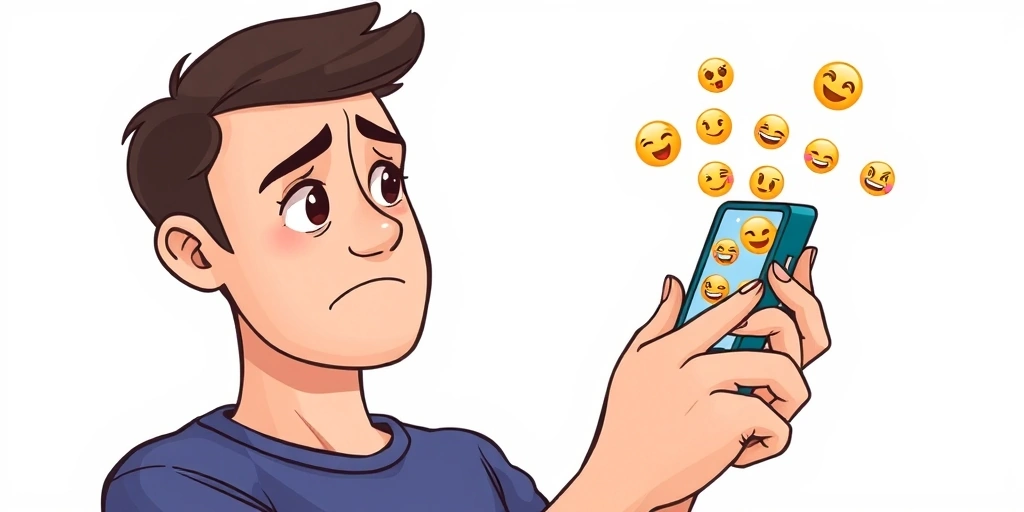
The Over-Enthusiastic End Note
Another common scenario involves the overuse or misplacement of enthusiastic emojis. A friend shares a minor achievement, say, they finally cleaned out their garage. You want to show support, so you reply with, 'That's awesome! So proud of you! 🎉🥳✨'. While genuinely positive, this level of celebratory emoji might feel disproportionate to the event, especially if the conversation is usually more subdued. The friend might wonder if you're being sarcastic, or if they’ve somehow over-shared. It creates a subtle awkwardness, a mismatch between the effort of the achievement and the digital fanfare.
It's not that the emojis are bad; it's the contextual fit that's slightly off. We're trying to inject energy and positivity, but sometimes, the volume gets turned up too high, causing a slight ringing in the recipient's digital ears. It’s a challenge we all face: finding the right emotional calibration for our online interactions. If you’ve ever felt like your message stirred up mixed reactions online, you might want to delve deeper into these subtle nuances. Check out Lost in Translation: The Surprising Ways Emojis Stir Up Mixed Reactions Online to explore more.
When Emojis Create Ambiguity
Sometimes, emojis complicate tone not by being overly enthusiastic, but by being just vague enough to introduce ambiguity. Take the 'thinking face' 🤔 or the 'unamused face' 😒. Both can be used in a multitude of ways. Is the thinking face genuinely pondering, or is it questioning the sanity of your last statement? Is the unamused face mildly disappointed, or is it bordering on exasperation?
In a rapid-fire casual chat, these nuances can be lost. Without the benefit of a person's actual facial expression or vocal tone, the emoji stands alone, open to interpretation. This ambiguity can stall a conversation as one person tries to gauge the other's true sentiment, leading to unnecessary introspection or even minor paranoia about having said something wrong. It's a testament to how deeply we rely on non-verbal cues, even when those cues are digital representations.
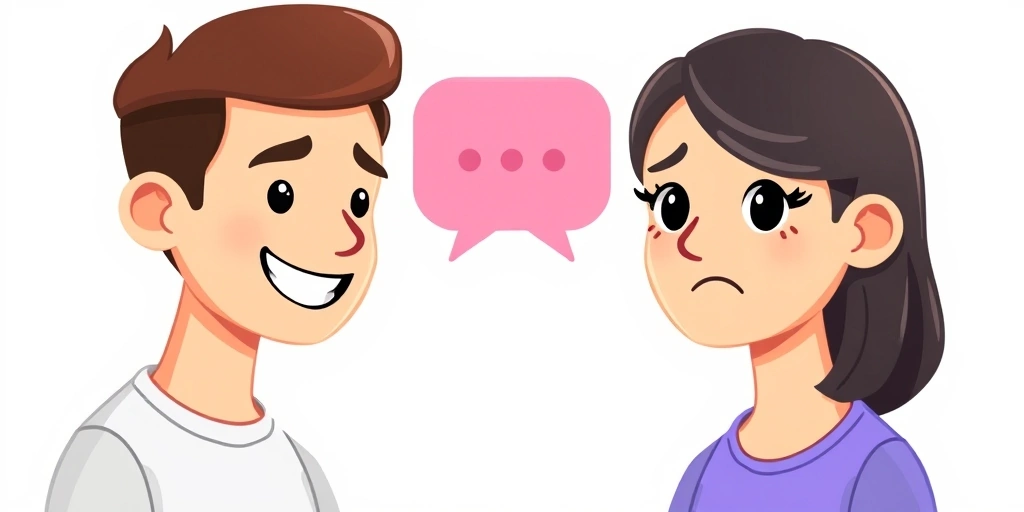
The Generation Gap and Emoji Interpretation
Another fascinating aspect of emoji-induced tonal shifts is the generational divide. Emojis, like slang, evolve in meaning and usage across different age groups. What one generation perceives as a polite or neutral emoji, another might see as dated, ironic, or even passive-aggressive. For example, the 'thumbs up' 👍 emoji, while traditionally positive, has been noted by younger users to sometimes carry a sarcastic or dismissive undertone when used in certain contexts by older generations.
This isn’t about right or wrong; it’s about differing cultural literacies within the digital space. A perfectly innocent 👍 from a parent could inadvertently signal 'I’m done with this conversation' to a younger recipient, complicating the friendly tone the sender intended. This subtle clash of interpretations is a constant reminder that digital communication is a living, breathing entity, constantly shifting and requiring our awareness. For a broader understanding of common pitfalls, you might find more insights in our Emoji Mistakes & Misuse category.
Navigating the Nuances
So, what’s the takeaway from these subtle tonal complications? It’s not a call to abandon emojis altogether – far from it. Emojis enrich our digital lives immensely. Instead, it’s an invitation to be more mindful, to pause for a second and consider how an emoji might be received, especially in sensitive or important conversations, even if they're casual. Paying attention to the recipient’s usual emoji style and the context of the conversation can go a long way.
Sometimes, the best approach is simplicity. A carefully chosen word might convey warmth or sincerity more reliably than a string of elaborate emojis. Other times, an emoji is precisely what’s needed to nail the tone. The art of digital communication lies in understanding these subtleties, in knowing when to lean into the expressive power of emojis and when to let the words speak for themselves. It’s an ongoing learning curve, but one that makes our online interactions richer and more genuinely connected.
📒 Related Blogs
More...The Secret Language: How Emojis Unleash Powerful Reactions in Shared Social Posts
The Secret Language of Emojis: Decoding Regional & Cultural Differences
When Words Feel Heavy: How Emojis Quietly Ease Our Nervous Moments
Emoji Evolution: A Fascinating History of Digital Feelings & Communication
The Emoji Effect: How Little Icons Soften, Sharpen, and Steer Your Casual Chats
Beyond Words: How Emojis Orchestrate the Rhythm of Professional Messaging