Emoji Evolution: A Fascinating History of Digital Feelings & Communication

Dec 15,2025
In a world where digital communication often outpaces face-to-face interactions, how do we truly convey our emotions, sarcasm, or genuine delight? The answer, more often than not, lies in those tiny, vibrant icons we all use: emojis. These digital feelings have become an indispensable part of our daily conversations, but have you ever paused to consider their incredible journey?
The Dawn of Digital Expression
Our story begins in Japan, specifically with NTT DoCoMo, a Japanese mobile phone operator, and its visionary employee, Shigetaka Kurita. In 1999, Kurita created the first set of 176 emojis for i-mode, a pioneering mobile internet platform. His goal was simple yet profound: to create a way for users to convey information concisely and express emotions, especially given the limitations of text-only communication on pagers and early mobile phones. Imagine trying to explain excitement or confusion with just a few characters! Kurita's original designs were simple, pixelated icons, but they laid the groundwork for a revolution in digital expression. 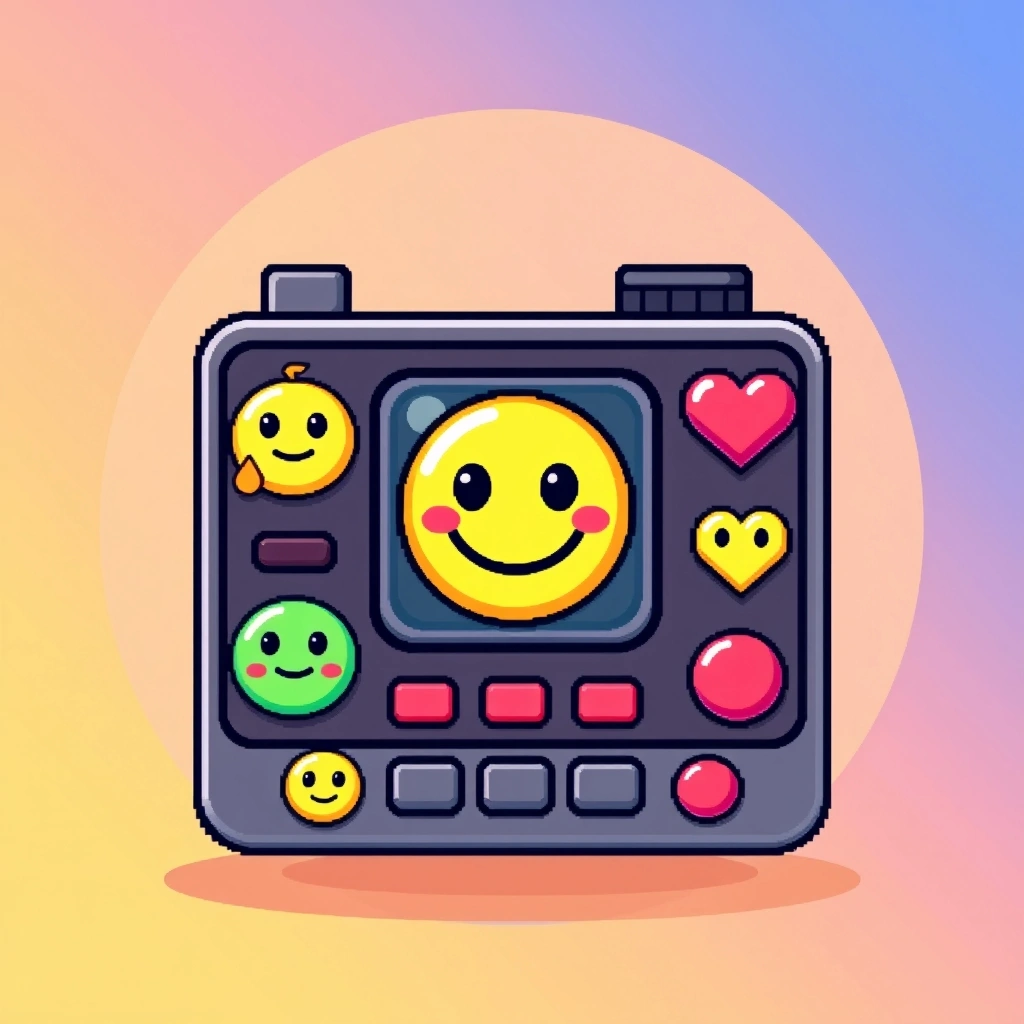
From Pagers to iPhones: The Global Takeover
For years, emojis remained largely a Japanese phenomenon. However, the early 2010s marked a pivotal turning point. When Apple released its iPhone in Japan with an emoji keyboard, it wasn't long before users worldwide discovered the joy of these expressive icons. The real game-changer came with the integration of emojis into the Unicode Standard. Unicode, essentially the universal language for digital text, allowed emojis to be standardized across different platforms and devices. This meant an Emoji copy from an iPhone would look consistent on an Android device or a computer. This standardization was crucial for their global adoption, transforming them from a niche feature into a mainstream communication tool that anyone could use to Copy emoji and paste them everywhere.
More Than Just Icons: The Power of Emojis
Emojis are far more than mere decorative elements. They serve as a powerful form of non-verbal communication in the digital realm, adding nuance, tone, and emotion that plain text often lacks. A simple Grinning Face can instantly change the interpretation of a message from sarcastic to playful. They bridge language barriers, allowing people from different linguistic backgrounds to communicate basic feelings and ideas universally. Think about the immediate understanding of a Red Heart or a Thumbs Up – their meanings transcend words.
The Evolving Language of Emotion
As our digital lives become increasingly complex, so do our emojis. The Unicode Consortium continually adds new emojis, reflecting cultural shifts, technological advancements, and the diverse ways we express ourselves. From gender-neutral options to emojis representing various professions, foods, and flags, the Emoji collection is always expanding. They've become a dynamic, evolving language that reflects and shapes internet culture. 
What's Next for Emojis?
The future of emojis looks as vibrant and varied as their past. We’re seeing more emphasis on personalization, animated emojis, and even 3D representations. As augmented reality and virtual reality become more prevalent, emojis might even take on new, immersive forms, moving beyond two-dimensional screens. One thing is certain: these tiny titans of communication will continue to evolve, helping us connect, express, and understand each other in an increasingly digital world. Don't forget to visit emojilar for your daily dose of digital expressions and to easily explore the vast universe of emojis! 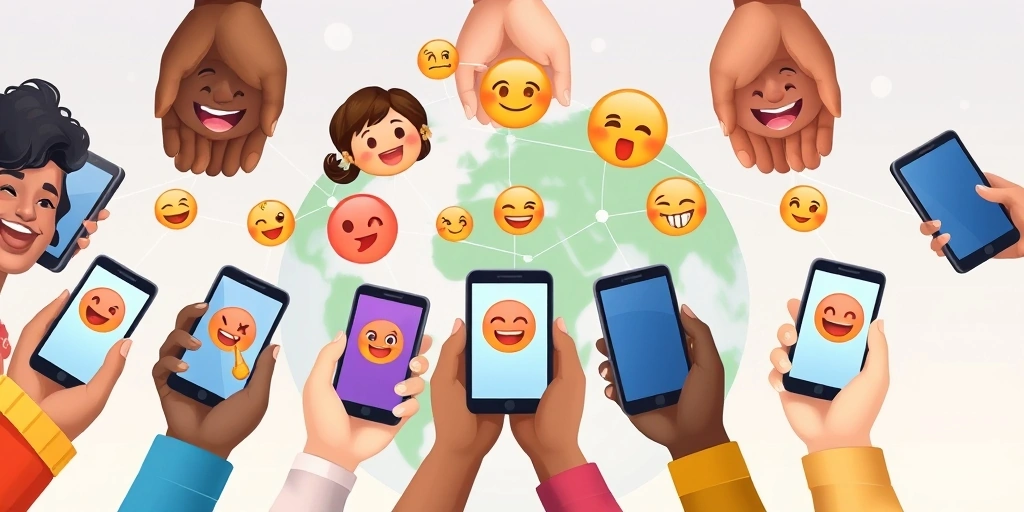
📒 Related Blogs
More...The Future of Emojis: How They're Evolving Our Digital Conversations
Emoji Etiquette: Navigating Professional Communications with Emojis
Cracking the Code: How Emojis Shape What We Really Mean Online 🤔
The Tiny Icons That Shape Your Feed: How Emojis Drive Reactions on Social Media
The Secret Language of Emojis: How Online Communities Shape Our Digital Expression
Emoji Magic: How a Single Icon Changes Everything in Online Conversations