Emoji Magic: How a Single Icon Changes Everything in Online Conversations

Dec 29,2025
Ever scrolled through a comment section and felt a distinct vibe just from the emojis used? It’s truly fascinating how those tiny digital icons can utterly reshape how we interpret and respond to a social media comment. What might be a neutral statement in plain text can become sarcastic, joyous, or even critical with just the addition of a well-placed emoji.
The Unspoken Language of Comments
In the fast-paced world of social media, clarity can sometimes get lost. Text alone, devoid of facial expressions or vocal tone, often leaves room for misinterpretation. This is where emojis step in, acting as digital amplifiers or softeners for our words. A simple "Okay" can feel abrupt, but "Okay 👍" feels agreeable, while "Okay... 😬" suggests hesitation or awkwardness. It's a subtle but powerful shift.
Think about how often you've seen a comment that, without an emoji, might come across as aggressive or overly blunt. Adding a 😂 or a 😊 can instantly lighten the mood, signaling that the comment is meant in jest or with good humor. It’s like adding a little digital wink or a friendly nudge, ensuring your message lands exactly as intended.
This ability to infuse comments with immediate emotional context is a huge part of why emojis have become so integral to our online lives. They bridge the gap between spoken and written communication, providing those crucial non-verbal cues that we rely on so heavily in face-to-face interactions.
Shaping Perception: From Sarcasm to Sincerity
One of the most remarkable things emojis do is allow for a nuanced expression of sarcasm or irony. Crafting a sarcastic comment in plain text often runs the risk of being misunderstood and offending someone. However, pairing it with a side-eye emoji 🙄 or a rolling eyes emoji 😒 can signal the underlying intent, letting readers in on the joke rather than alienating them.
Conversely, emojis can also deepen sincerity. A comment expressing support might feel a bit hollow without that extra touch. Adding a ❤️ or a 🙏 can convey genuine empathy and warmth, making the receiver feel truly seen and understood. It’s about adding that layer of human touch that pure text often struggles to deliver, making our digital interactions feel more authentic. 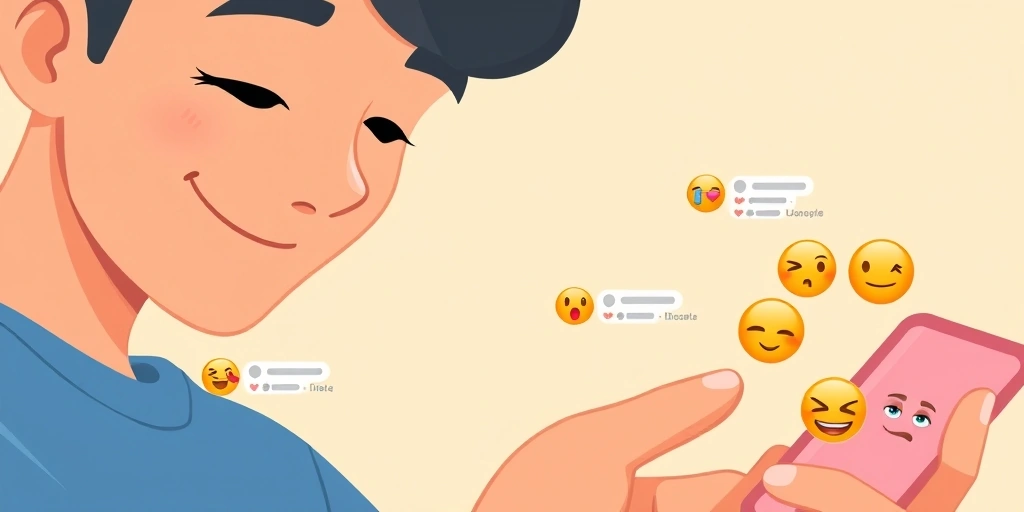
Navigating the Nuances of Digital Etiquette
The choice of emoji in a comment isn't just about personal expression; it also plays a significant role in digital etiquette. Using the right emoji can indicate respect, understanding, or even a shared inside joke within a community. On the other hand, a misplaced or inappropriate emoji can quickly derail a conversation, causing confusion or even offense.
Different platforms and communities often develop their own unwritten rules around emoji use. What's perfectly acceptable on a lighthearted meme page might be seen as unprofessional in a LinkedIn comment section. Understanding these unspoken norms is key to effectively navigating social media spaces and ensuring your comments are well-received. This is part of a larger conversation about how emojis masterfully shape tone in public online conversations, going beyond just comments.
Building Bridges or Barriers?
Emojis in comments can either foster connection or create distance. A string of laughing emojis on a funny post can create a sense of shared joy and community, making others feel more inclined to join the conversation. They act as social glue, signaling agreement and camaraderie among users. It's truly incredible to see how something so small can have such a profound impact on how emojis totally transform your social media posts, not just comments.
However, the opposite can also be true. Overuse of certain emojis, or using them in a way that comes across as condescending or dismissive, can alienate other users. Imagine a critical comment followed by a string of eye-roll emojis – it certainly doesn’t invite constructive dialogue. This highlights the delicate balance involved in leveraging emojis effectively.
The cultural context also matters immensely. An emoji that means one thing in one culture might have a completely different connotation elsewhere, leading to potential misunderstandings. It's a reminder that while emojis are universal in their presence, their specific interpretations can be deeply rooted in local customs and norms. 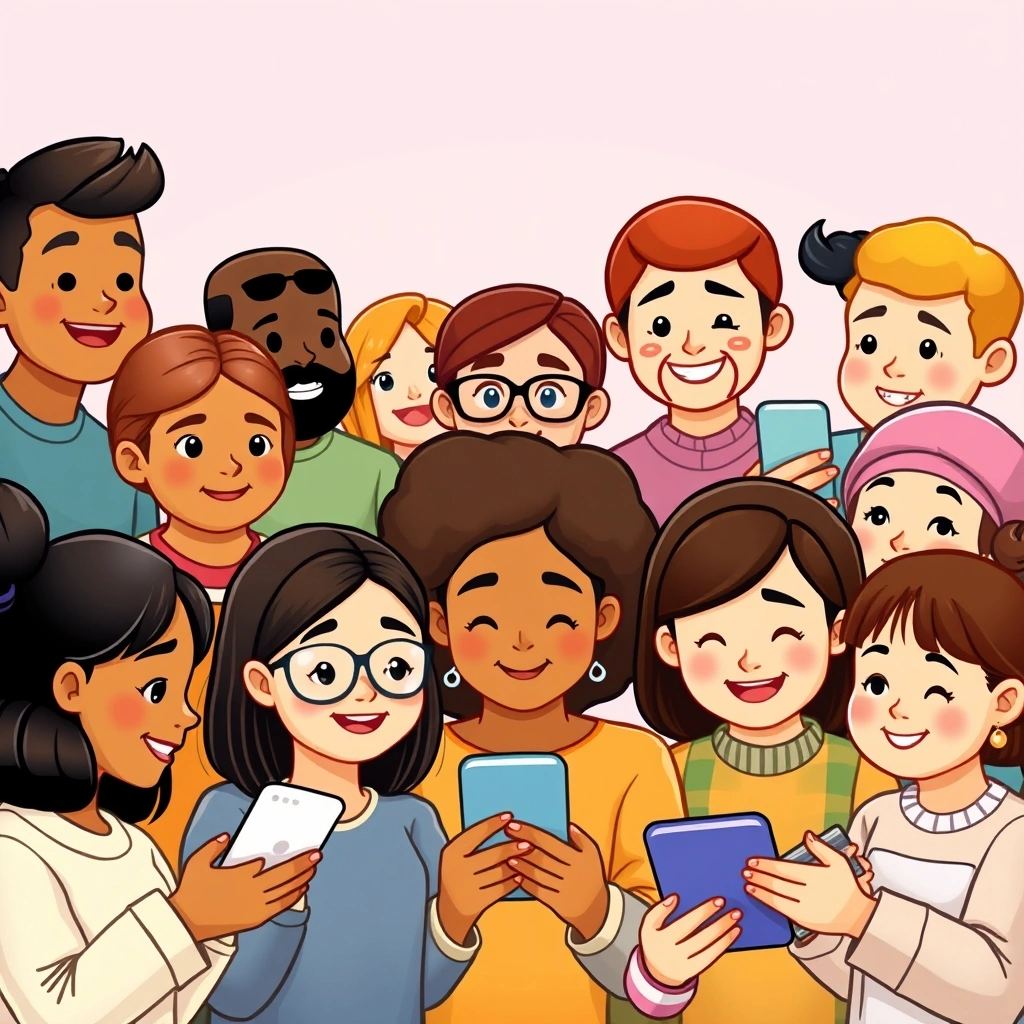
The Evolving Landscape of Digital Expression
As social media platforms continue to evolve, so too does our language of emojis. New emojis are constantly being introduced, reflecting changes in society and providing even more nuanced ways to express ourselves. What was once a simple set of smileys has become a rich, dynamic vocabulary that enhances our ability to communicate complex emotions and ideas in compact, visually appealing ways.
Ultimately, emojis are an indispensable part of modern social media comments. They don't just add decoration; they add depth, clarify intent, and shape the entire emotional resonance of our digital interactions. So next time you're crafting a comment, consider the little icons you choose – they might just be doing more heavy lifting than you think, subtly steering the conversation and defining how your words are truly perceived by others online.
📒 Related Blogs
More...The Silent Sigh of Relief: How Emojis Soothe Emotional Uncertainty in Everyday Chats
The Secret Language of Reactions: How Emojis Shape Opinions Online
The Neutralizer: How Emojis Keep Work Feedback Professional & Productive
Crushing Deadlines with a Smile: How Emojis Make Brief Work Replies Feel Thoughtful
The Journey of Emojis: From Simple Kaomoji to Global Digital Icons
Mastering Emoji Etiquette: Use Emojis Effectively in Digital Communication