The Neutralizer: How Emojis Keep Work Feedback Professional & Productive

Feb 06,2026
Let's be honest. Giving feedback at work is hard. Receiving it can be even harder. In a face-to-face meeting, you have your tone of voice, your facial expressions, and body language to soften a critique or show genuine appreciation. But in a Slack thread, an email, or a project management comment? Your words are naked, vulnerable to being completely misread.
This is where our tiny, colorful friends come in. Emojis have quietly become the unsung heroes of professional communication, especially when navigating the delicate dance of feedback. They aren't just for fun; they're essential tools for neutrality.
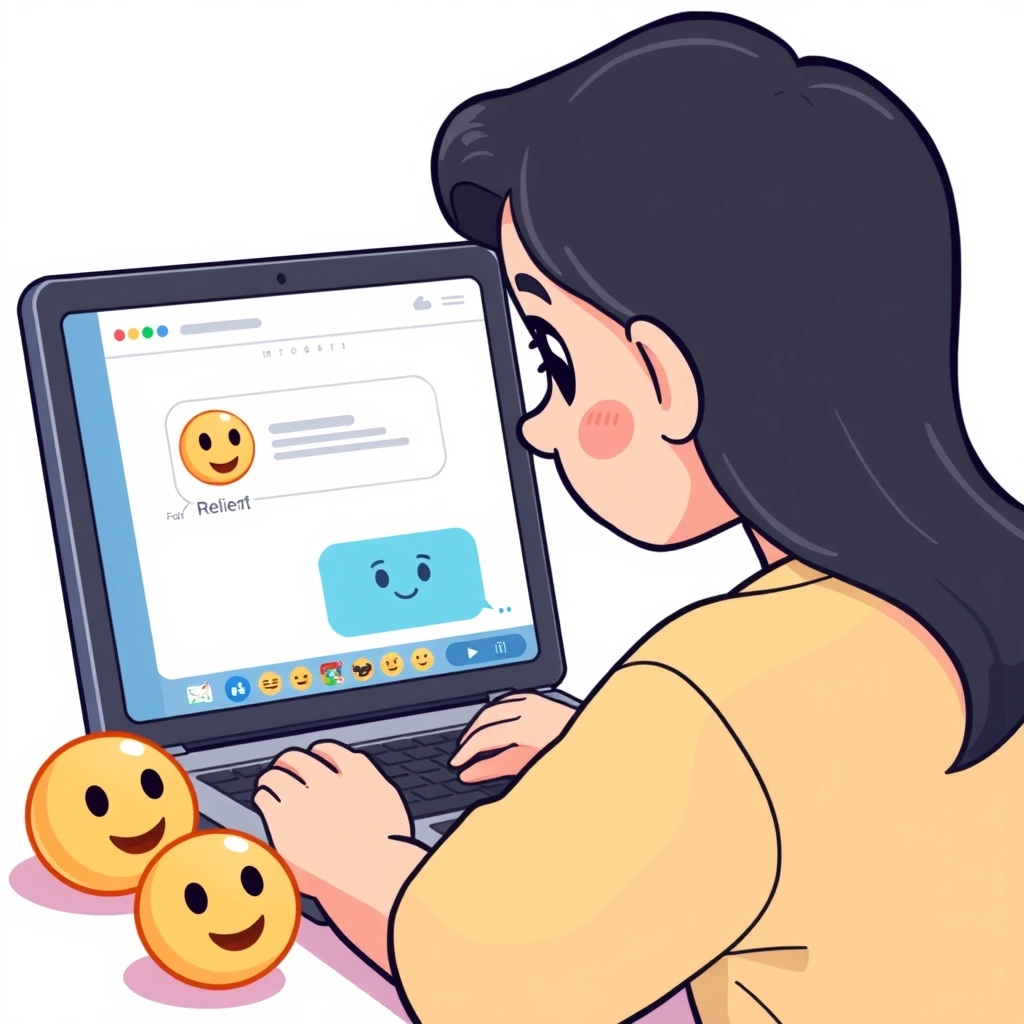
Why Text Alone Falls Short
Think about the last time you read a message that said simply, "We need to talk about the report." What did you feel? A spike of anxiety, probably. Your brain, lacking any other cues, defaults to threat mode. Was it bad? What did I do wrong? The sender might have meant it as a neutral, logistical statement, but text strips away all intent.
Now consider: "We need to talk about the report 🙂." That same sentence, with one addition, feels different. The smiley face acts as a tone indicator. It signals, "This is not an attack. This is a conversation." It doesn't make the feedback itself less serious, but it frames the approach as collaborative. This is the power of using emojis to maintain a neutral, productive space.
For more on avoiding digital misunderstandings, this piece on how a simple emoji can save your workday digs deeper into the psychology.
The 'Neutralizing' Emoji Toolkit
Not all emojis are created equal for professional feedback. You're not likely to end a critical review with a 😂 or a 🥳. The goal is neutrality, not over-the-top enthusiasm or ambiguity.
Here are a few workhorses of neutral tone:
- The Classic Smiley 🙂: The ultimate neutralizer. It conveys approachability and basic goodwill. Perfect for prefacing a request or softening a directive.
- The Thumbs Up 👍: Acknowledges receipt and agreement without excessive emotion. "Thanks for sending that over, I'll review it by EOD 👍."
- The Light Bulb 💡: Excellent for suggesting changes. "What if we tried the data this way? 💡" It frames feedback as an idea, not a correction.
- The Check Mark ✅: Confirms understanding or completion neutrally. "Noted, will incorporate this feedback ✅."
- The Briefcase 💼: Subtly reinforces the professional, task-oriented context. "On it for the Q3 review 💼."
These emojis act like digital body language. They fill the emotional void left by plain text, providing just enough context to guide the reader's interpretation toward neutrality.
Building Bridges, Not Walls
The core purpose of feedback is improvement and alignment. When the tone feels hostile or cold, the message gets lost in a defensive reaction. A well-placed emoji functions as a bridge. It says, "I am on your side, even as we discuss an area for growth."
This is particularly crucial in remote or hybrid settings, where casual 'watercooler' rapport is limited. That quick smiley in a feedback comment replicates the reassuring nod you'd give a colleague in the office. It maintains the human connection within the transactional exchange of work.
Mastering this skill is what I call the art of the soft landing. It's about ensuring your constructive criticism lands in a way that can be heard and acted upon.
A Note on Culture and Context
Of course, sensitivity is key. What feels neutral in one team culture might seem informal in another. The key is to observe and mirror. If your manager or a respected colleague uses emojis in feedback, it's generally a safe signal that you can too. Start with the most conservative options (like the smiley or thumbs up) and see how it feels.
The rule of thumb is support, not overshadow. The emoji should support the clarity and intent of your words, not become the main event. If the feedback is severe or involves serious performance issues, it still belongs in a live conversation, not a text-based one decorated with symbols.
For ongoing thoughts on navigating emojis in professional spaces, our Emoji & Work category has a wealth of resources.
So next time you're typing out a piece of feedback, pause. Read it back in a monotone voice. Does it sound cold? Clinical? Ambiguous? Consider if a single, simple emoji could hold the space for a more neutral, and ultimately more effective, conversation. It's a small gesture with a profound impact on how we work together.
📒 Related Blogs
More...How Emojis Save the Day: Bringing Clarity and Warmth to Your Work Emails
Beyond a Single Smile: How Emoji Combinations Are Changing Our Digital Conversations
The Psychology Behind Emojis: Why We Love to Tap and Send Them
Unlocking the Mind: The Secret Psychology Behind Your Favorite Emojis
The Fascinating Evolution of Emojis: From ASCII Art to Global Communication