How a Simple Emoji Can Save Your Workday from Misunderstandings

Feb 01,2026
Let's be honest, workdays can get chaotic. Between back-to-back meetings, overflowing inboxes, and urgent deadlines, our written communication often becomes shorthand. We fire off quick messages on Slack, Teams, or email, aiming for efficiency. But in that rush, something vital gets lost: tone.
You've probably been there. You send a message like "We need to talk about the Q3 report." To you, it's a neutral, factual statement. To your colleague, it might sound ominous, like they're in trouble. Without the vocal inflection, the facial expression, or the body language we rely on in person, our plain text is a blank canvas for interpretation—and often, misinterpretation.
This is where the humble emoji steps in, not as a frivolous decoration, but as a powerful tool for emotional clarity.
The Tone Gap in Digital Feedback
Feedback is a cornerstone of professional growth, but it's also a prime area for miscommunication. Delivering constructive criticism or asking for a revision via text is notoriously tricky. A simple "This needs work" can be read as harsh and dismissive, potentially demoralizing a teammate who has put in effort.
The problem isn't the feedback itself; it's the missing emotional context. In a face-to-face conversation, your reassuring smile or encouraging nod softens the critique. In writing, we have to recreate that context manually. For more on softening workplace communication, see our post on making feedback feel friendlier.
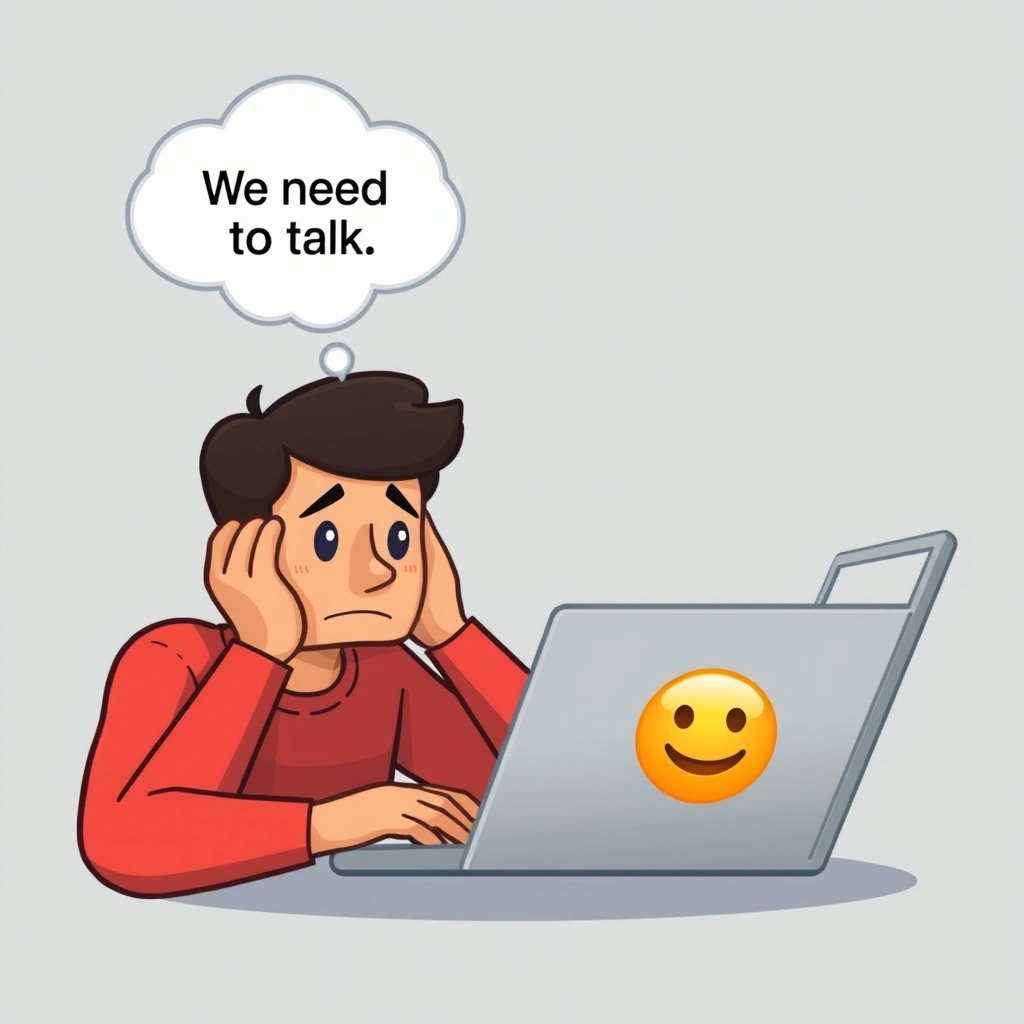
Emojis act as digital body language. Adding a thoughtful 🤔 or a supportive 👍 to that same message transforms it. "This needs work 🤔" suggests you're pondering solutions together. "Thanks for sending this over! Let's refine the second section 👍" frames the next steps as a collaborative effort. The core message is the same, but the emotional packaging prevents defensiveness and keeps the dialogue productive.
Preventing the "Is She Mad at Me?" Spiral
On busy days, we all have less mental bandwidth for decoding messages. A short, punctuation-free reply can send a colleague into an unnecessary anxiety spiral. Did your terse "Okay" mean you're angry, just busy, or simply agreeing?
A quick emoji provides instant emotional calibration. "Okay! 😊" is clearly positive. "Okay 👌" signals acknowledgment. "Okay... 🧐" indicates you have questions. This tiny visual cue cuts through ambiguity and saves everyone from wasting energy on guesswork. It’s a small act of kindness that maintains team cohesion under pressure.
This practice is especially crucial for maintaining a professional yet friendly tone in channels where your communication style defines team culture.
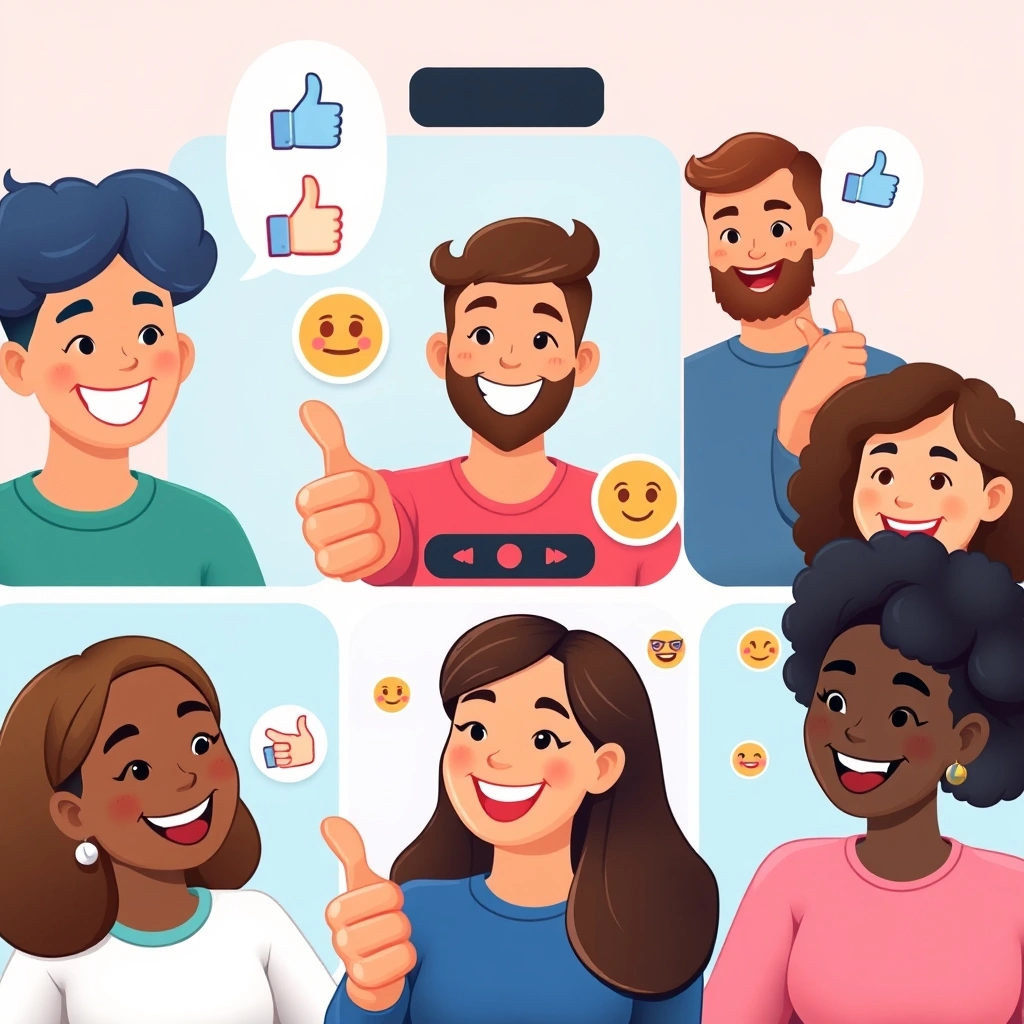
Emojis as Connectors, Not Distractions
Some worry that emojis are unprofessional. But in today's digital-first workplace, professionalism is about clear, respectful, and effective communication. If an emoji prevents a misunderstanding that could lead to a 30-minute clarifying call or damaged morale, it's a highly professional tool.
Think of them as punctuation evolved for the 21st century. We use question marks to indicate queries and exclamation points to show excitement. Emojis simply expand that toolkit to convey a wider, more human range of sentiment—appreciation (🙏), lightheartedness (😄), urgency (⚡), or celebration (🎉).
The key is intentionality. The goal isn't to turn every message into a cartoon, but to use a single, relevant emoji to anchor the tone of your text. It's about reinforcing your intent, not overshadowing your message.
Practical Tips for Busy Days
You don't need to overthink it. Here are a few simple ways to integrate emojis for clarity:
- Acknowledge Receipt: "Got it, thanks! 👍" instead of just "Received."
- Softening a Request: "Could you take a look at this when you have a moment? 🙏"
- Expressing Gratitude: "Thanks for your hard work on this! 🎉"
- Flagging a Concern: "I have a question about the budget here 🤔."
- Confirming Understanding: "Ah, I see what you mean now! 👌"
By adopting these small habits, you build a communication style that is both efficient and empathetic. You close the tone gap that busy schedules inevitably create. In the relentless flow of pings and notifications, a well-chosen emoji is more than just a picture; it's a moment of human connection, a speed bump against misunderstanding, and a simple way to ensure your feedback—and your team—stays on track.
📒 Related Blogs
More...The Secret Life of Emojis: How Our Digital Heartbeats Mirror a Changing World
Decoding Emoji Trends: What's Hot, What's Not, and Why It Matters
The Secret to Friendly Slack Messages? It's All in the Emoji
Mastering Emoji Combinations: Craft Your Creative Messages
The Anticipation Pixel: How Emojis Bridge the Gap in Emotional Uncertainty
The Magic of a Single Tap: How Emojis Make Quick Chats Feel Truly Connected