How Emojis Keep Your Slack Messages Professional (and Friendly)

Jan 28,2026
Let's be honest, Slack can be a minefield. A simple "Okay" can be read as passive-aggressive. A quick question can feel like a demand. In a world where we've lost the nuance of tone of voice and body language, our messages can sometimes land with a thud instead of the gentle tap we intended. This is where the humble emoji comes in, not as a frivolous decoration, but as a crucial tool for professional clarity.
Think about the last time you sent a message that was purely text. "The report is ready for review." It's factual. It's clear. But what's the emotion behind it? Is it a triumphant announcement after a long night? A neutral status update? The receiver has to guess. Now, add a simple :white_check_mark: or a :rocket:. Suddenly, the intent is clearer. It's a positive update, a small victory to be acknowledged.
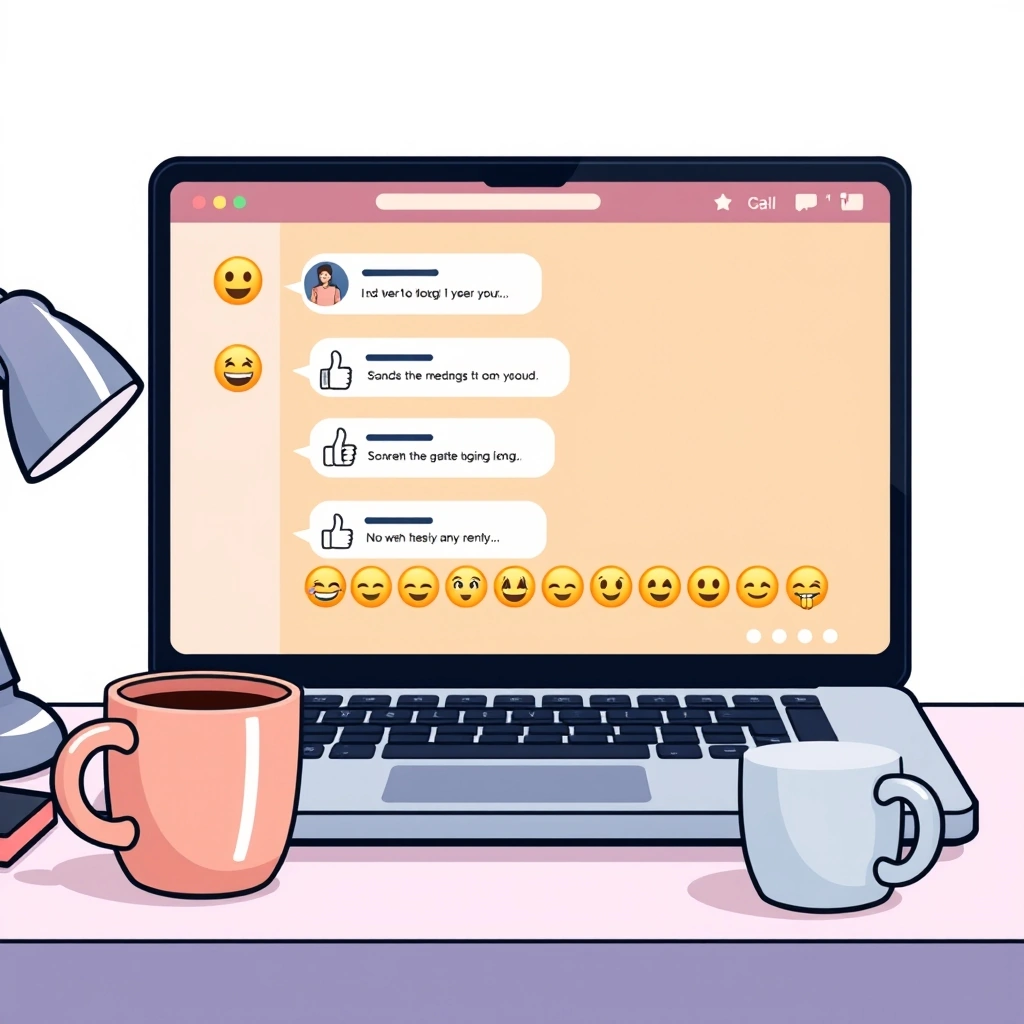
The Tone Translator
Emojis act as a tone translator for our digital words. They soften requests ("Could you take a look at this when you have a moment? :smiley:"), express gratitude that feels more genuine than just "thanks" ("Thanks for the quick turnaround! :raised_hands:"), and even signal when we're joking to prevent misunderstandings. That sarcastic comment is much safer when followed by a :wink:.
This isn't about making the workplace childish. It's about injecting the humanity that gets stripped away in text-based communication. A simple emoji can save your busy workday by preventing the back-and-forth clarifications and the subtle tensions that arise from misinterpretation. It keeps the emotional temperature of the team in a comfortable, collaborative range.
Building Bridges in Remote Teams
For remote and hybrid teams, this function is amplified. You don't have the casual coffee machine chats or the ability to pop your head over a cubicle. Your Slack channel is your primary hallway. Using emojis helps replicate the friendly nods and smiles of an office. A celebratory :tada: for a launched project, a supportive :heart: on a team member's update, or a laughing :joy: at a shared frustration builds camaraderie. It signals that there are real people behind the avatars.

It also aids in efficiency. Reacting with a :thumbsup: or an :eyes: emoji is often faster and less disruptive than typing "Got it" or "I'll look at this." It keeps the conversation flowing without unnecessary clutter. The thread stays focused on the topic, while acknowledgments are handled visually on the side.
Finding the Professional Balance
Of course, there's an art to it. The key is appropriateness. A flood of emojis in every sentence can undermine your message. The goal is subtlety and support. Stick to the more universally understood and professional-leaning emojis for most work conversations—smileys, common objects, thumbs up, checkmarks. Save the more elaborate or niche emojis for channels with closer teammates where the culture supports it.
Context is everything. A celebratory emoji is perfect for a team win, but maybe not for a message about a missed deadline. It's about emotional intelligence, translated into a digital glyph. When used thoughtfully, emojis don't dilute your professionalism; they enhance it by demonstrating communication savvy and team awareness.
In the end, using emojis in Slack is less about being fun and more about being effective. It's a practice in clear, kind, and human-centric communication. They are the punctuation marks for emotion in our professional dialogues, ensuring our intent is received as warmly as it was sent. For more on navigating the world of emoji and professional life, exploring the nuances can make all the difference in your team's dynamic.
📒 Related Blogs
More...The Unspoken Language of Emojis in Your Coziest Chats
When Words Feel Too Risky: How Emojis Quietly Clarify Our Intentions
The Secret Language of Smiles: How Emojis Instantly Reveal Emotions Online
Emojis: The Secret Sauce for Friendly, Flowing Digital Conversations
The Silent Scream: Why Your Emojis Are Being Misunderstood in Group Chats
How Emojis Keep Your Slack Messages Professional (and Friendly)