When Words Feel Too Risky: How Emojis Quietly Clarify Our Intentions

Feb 06,2026
You know that feeling. You've typed out a message. Maybe it's a request, a piece of feedback, or just a casual comment. You read it over. It looks... fine. Technically, it says what you mean. But something feels off. It feels flat. It feels like it could be read the wrong way. It feels, in a word, risky.
So you hover over the send button. You hesitate. And then, almost without thinking, you tap on that little smiley face icon. You add a wink. Or a heart. Or a simple thumbs up. And just like that, the whole feeling of the message shifts. The risk evaporates. You hit send, feeling a little more confident that your true intention will land.
This happens more often than we probably notice. Emojis have become our digital tone of voice, our body language in a world of plain text. They're the tiny, colorful ambassadors we send ahead of our words to make sure the coast is clear.
Think about the difference between "Sure" and "Sure 😊". The first can feel passive-aggressive or dismissive. The second feels warm and agreeable. The word didn't change. The emoji clarified the intention behind it.
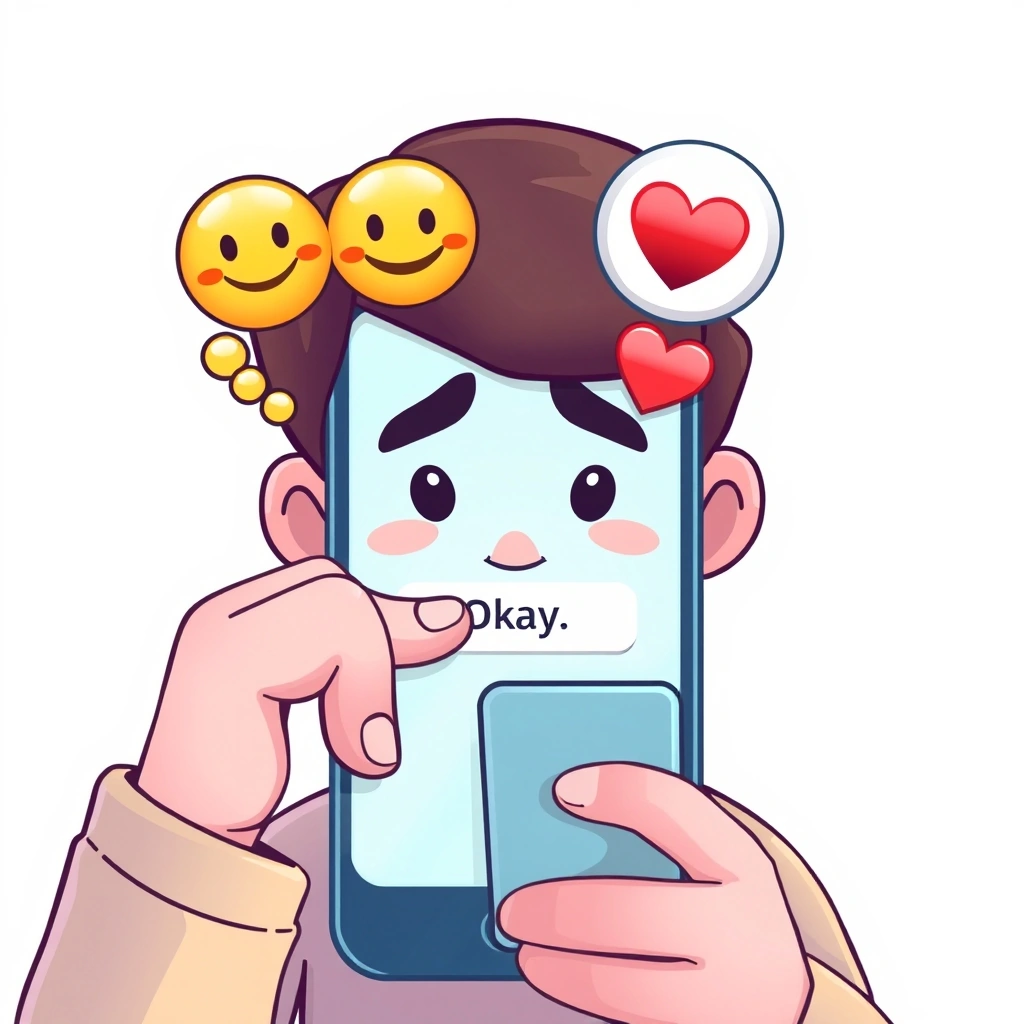
It's especially powerful in situations where we're emotionally hesitant. Telling a friend "I'm fine" after a tough day can feel like a wall. But "I'm fine 🫠" tells a completely different story—one of exhaustion and a need for sympathy, all without having to spell out the vulnerability. The emoji does the heavy lifting of emotional disclosure for us.
This is a big part of what makes emojis so useful in everyday situations. They help us navigate the minefield of digital ambiguity. A sarcastic comment can blow up without the right cue. But add a 😉 or a 😏, and the recipient is instantly clued into the playful intent. It's a preemptive strike against misunderstanding.
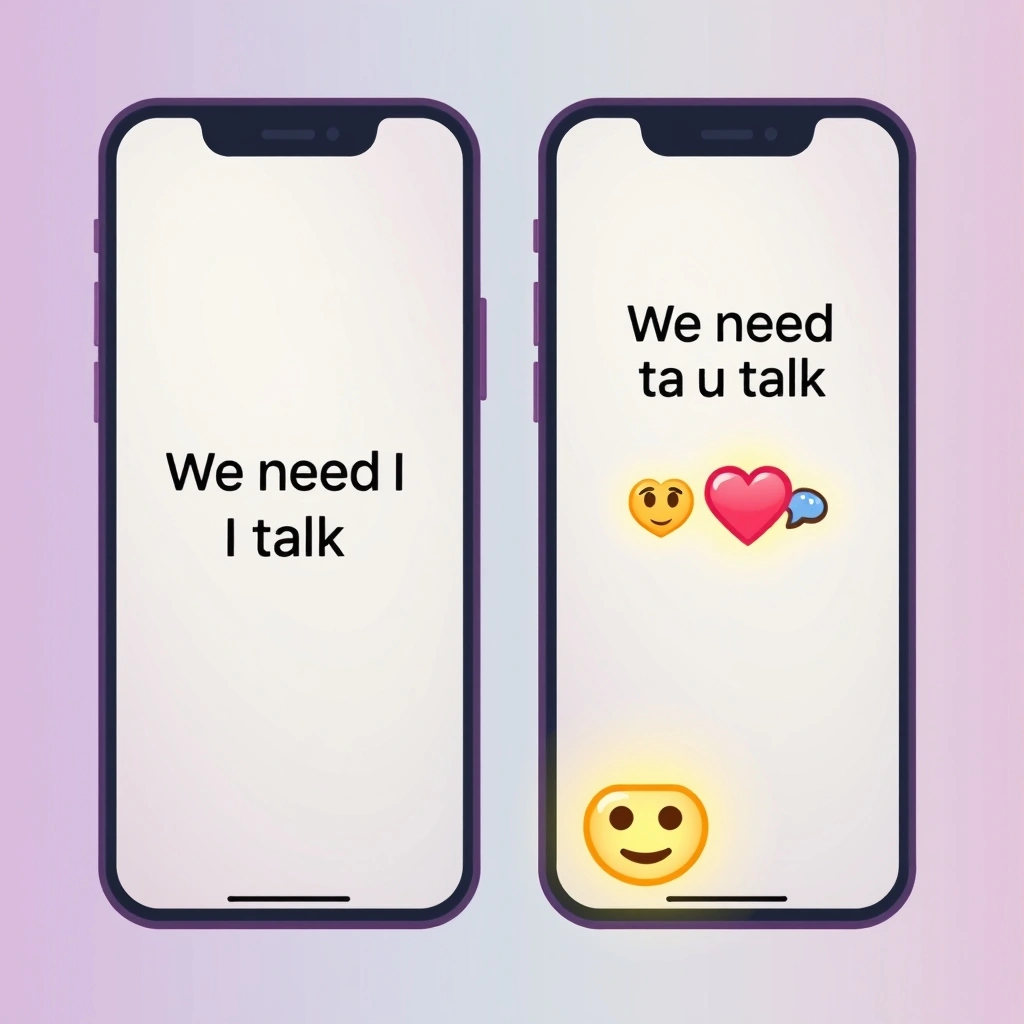
We use them to soften blows. "We need to talk" is a classic anxiety-inducer. "We need to talk ☕️" feels slightly more conversational, maybe even friendly. The coffee cup emoji suggests a casual setting, taking the edge off the ominous phrase. It's a small gesture with a big impact on how the message is received.
Sometimes, the hesitation isn't about negative emotions, but positive ones that feel too bold to state plainly. Sending a heart emoji can feel safer than typing "I love you" in a new relationship. A fire emoji (🔥) can express admiration without feeling like you're laying it on too thick. The emoji acts as a trial balloon for our feelings.
This unspoken language is fascinating because it's so intuitive. We don't usually sit and analyze which emoji to use for maximum clarity; we feel it. We sense the gap between our words and our true sentiment, and we reach for the visual cue that bridges it. It's a form of emotional intelligence, translated into pixels.
Of course, it's not foolproof. Emojis can be misinterpreted too (the infamous grimace face comes to mind). But more often than not, they serve as gentle guides. They're like the social lubricant for our digital conversations, preventing friction before it even starts. They help us be kinder, more precise, and more human in a medium that can often feel cold.
In many ways, emojis are the modern equivalent of a warm tone of voice or a reassuring smile during a difficult conversation. They're the tools we use to ensure our heart is in the right place, even when our words feel clumsy or insufficient. For more on how these tiny symbols guide us through tricky talks, you might like this piece on how emojis gently guide conversations.
So the next time you feel that little pang of hesitation before hitting send, pay attention to it. That's your brain recognizing a potential communication gap. And that emoji you instinctively choose? That's you being a better, clearer communicator. It's you taking responsibility for how your message will feel, not just what it says. It's a small act of emotional care in a fast-paced digital world, and it makes all the difference.
They're more than just decorations. They're tiny peacekeepers in our pockets, helping to calm unexpected reactions and ensure our true intentions, especially the hesitant ones, are understood.
📒 Related Blogs
More...How Emojis Rewire Our Brains: The Hidden Psychology of Digital Tone
Emoji Fails: Hilarious Misinterpretations & Communication Blunders
The Silent Scream: Why Your Emojis Are Being Misunderstood in Group Chats
The Hidden Power of Emojis in Your Private Chats
Beyond the Smile: Understanding the Global Cultural Nuances of Emojis
How a Simple Emoji Can Save You From Awkward Digital Silence