Emoji Fails: Hilarious Misinterpretations & Communication Blunders

Dec 11,2025
Ah, emojis! These tiny, expressive icons have become an indispensable part of our digital conversations, adding nuance, emotion, and sometimes, a dash of humor to our messages. They've revolutionized the way we communicate, allowing us to convey feelings without typing a single word. But what happens when these little pictograms get lost in translation? The results can range from mildly confusing to downright hilarious, or even a bit awkward. Welcome to the world of emoji misinterpretations!
Why Do Emojis Get Lost in Translation?
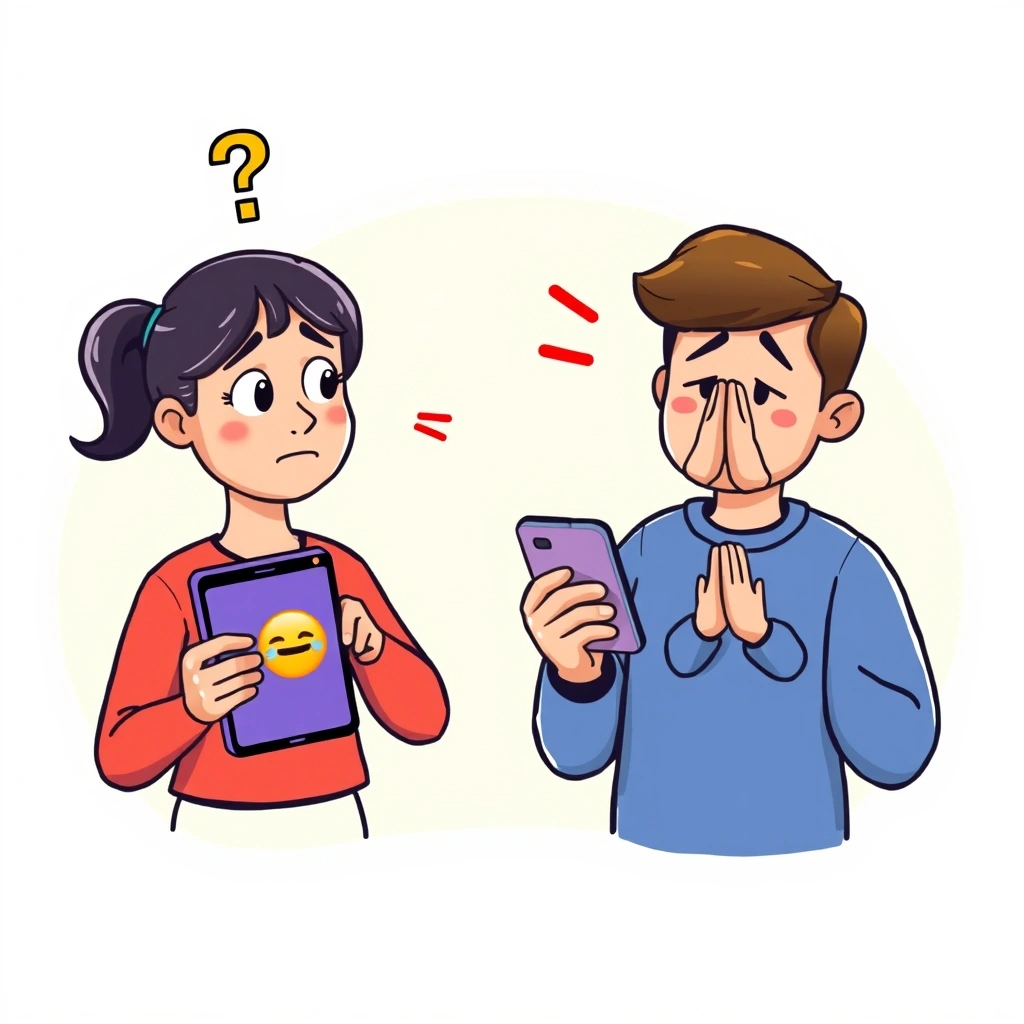
It's easy to assume an emoji means the same thing to everyone, everywhere. However, several factors contribute to these communication blunders. One major culprit is cultural differences. An emoji that means 'thank you' or 'prayer' in one culture (Person With Folded Hands 🙏) might be interpreted as a 'high-five' in another. Imagine the confusion!
Another factor is platform variation. While an emojilar might look one way on an iPhone, it could appear subtly different on an Android device or a desktop computer, leading to a slight shift in perceived meaning. Context also plays a huge role; the same emoji used in a casual chat with friends might have a completely different impact in a professional email.
Common Culprits of Confusion
Some emojis are notorious for causing misunderstandings. Take the Pouting Face 😡, often mistaken for an angry face, when it's actually meant to convey disappointment or sadness. Or the classic Waving Hand 👋, which can mean both 'hello' and 'goodbye.' The context of the conversation is everything when encountering these ambiguous icons.
Then there are emojis that seem straightforward but carry surprising connotations. The 'sweat droplets' emoji, intended to represent effort or a hot temperature, is frequently misinterpreted in suggestive ways. These aren't just isolated incidents; these are widespread phenomena that can lead to some truly unforgettable digital interactions.
Avoiding Emoji Fails: A Quick Guide
So, how can we navigate this minefield of emoji misinterpretations? The first step is awareness. Understanding that not everyone perceives emojis the same way is crucial. When in doubt, it’s often best to stick to universally understood emojis like the classic smiley faces or thumbs-up. If you're communicating across cultures or with someone you don't know well, a little text alongside your emoji can clarify your intent.
Another helpful tip is to consider your audience. A heart emoji might be perfectly fine with a close friend but inappropriate in a work message. And if you're ever unsure about an emoji's meaning, a quick search on an Emoji online collection or an Emoji copy site like emojilar can provide clarity. Don't be afraid to ask for clarification if you receive an emoji that puzzles you. Open communication is always the best policy!
Emojis are a fantastic tool for adding personality and emotion to our messages, but they're not foolproof. By being mindful of cultural nuances, platform differences, and context, we can minimize misinterpretations and ensure our digital conversations are clear, effective, and always fun. So next time you're about to hit send, just take a moment to consider if your chosen emoji truly conveys what you intend. Happy emoting!
📒 Related Blogs
More...How Emojis Turn Your Group Chat into a Playful Party
The Unspoken Language: How Emojis Became Our Go-To Quick Reply
The Future of Emojis: Predicting the Next Evolution in Digital Communication
The Secret Code in Your Group Chat: How Emoji Pairs Change Everything
Beyond Words: How Emojis Shape Our Online Relationships and Digital Communication
Emojis in Marketing: How Brands Boost Engagement and Connect Visually