The Secret Code in Your Group Chat: How Emoji Pairs Change Everything

Feb 04,2026
You know the feeling. You type out a message in the group chat, hit send, and then… pause. Something feels off. It’s too blunt, too cheerful, too vague. So, you do what we all do: you tap the emoji keyboard and add a quick pair. Maybe it’s a laughing face followed by a sweating one 😂😅. Or a heart, then a thinking face ❤️🤔. In that moment, you’re not just decorating your text—you’re fine-tuning its entire emotional frequency.
In one-on-one texts, a single emoji can often do the job. But group dynamics are different. You’re speaking to multiple personalities, histories, and moods all at once. A solo emoji can be misinterpreted. A pair, however, creates a context. It adds layers. It says, "I’m joking… but I’m also a little nervous about how this lands." Or, "I love this idea… though I have some reservations."
It’s the difference between sending a thumbs up 👍 and sending a thumbs up followed by a grimace 👍😬. The first is agreement. The second is agreement with a side of "this is going to be painful, but okay." The pair creates a shared, unspoken understanding that everyone in the group can pick up on.
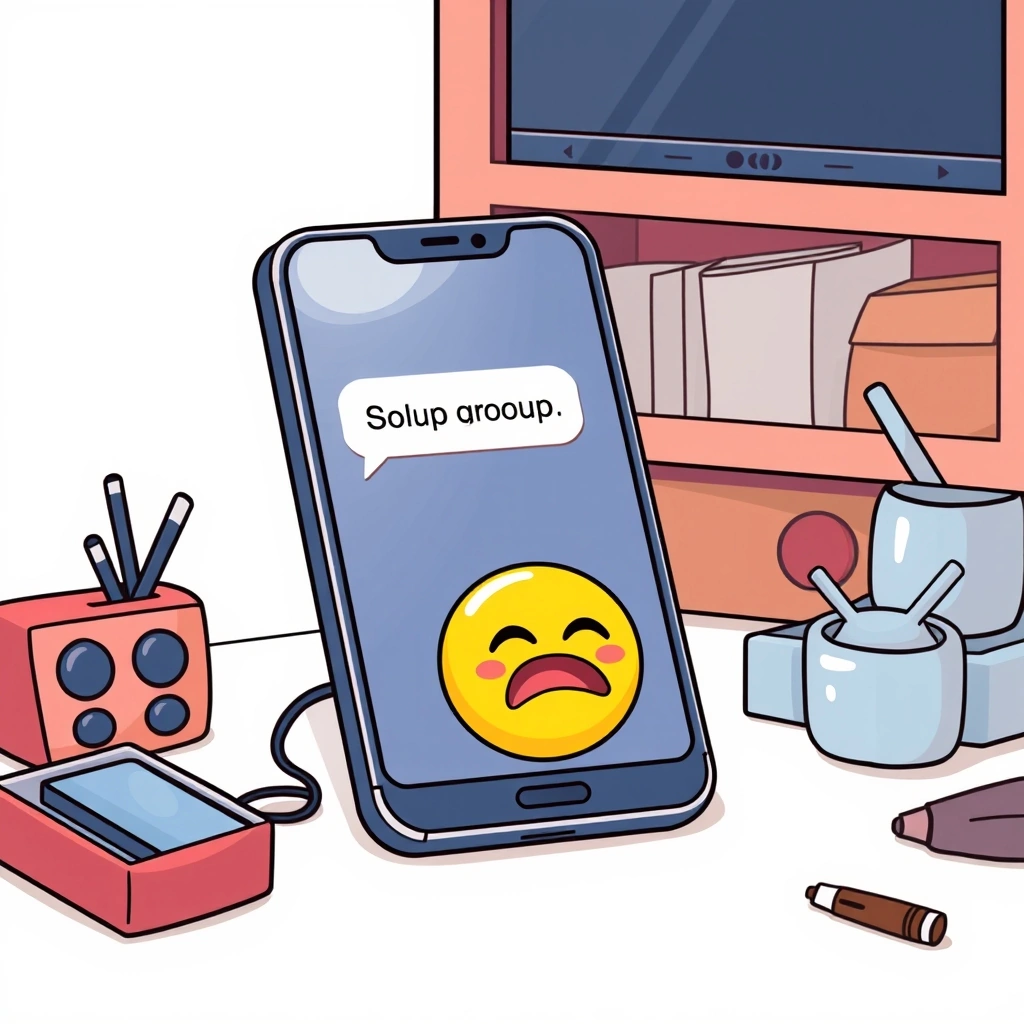
Why Pairs Work Where Singles Fall Short
Think of a single emoji as a primary color. It’s bold, clear, and direct. A pair is a blend. It creates a new shade of meaning that a single emoji can’t capture on its own. This is especially crucial in groups where the risk of tone-deafness is high. Your sarcasm might not read as sarcasm to your more literal friend. Your excitement might feel like overkill to someone having a bad day.
An emoji pair acts as a buffer and a clarifier. It softens edges and adds dimension. For example, teasing a friend about a minor mishap with just a crying-laughing face 😂 could feel mean. But pair it with a heart 😂❤️, and suddenly the message is wrapped in affection. The heart modifies the laugh, saying, "I’m laughing with love, not at you."
This subtle language is something we’re all intuitively learning. If you're fascinated by how these tiny pictures build big emotions, you might enjoy exploring the hidden language of emoji combos further.
The Negotiation of Group Tone
Group chats have a collective mood. An emoji pair is often a tiny bid to steer or contribute to that mood. Sending news with a party popper and a shocked face 🎉😲 doesn’t just share information—it invites a specific kind of reaction. It says, "Celebrate with me, and also be as amazed as I am!"
It’s a low-stakes way of managing the social fabric of the chat. A winking face followed by a tongue-out face 😉😛 can take a slightly risky joke and ensure it’s framed as pure, silly fun. You’re giving the group permission to read it lightly.
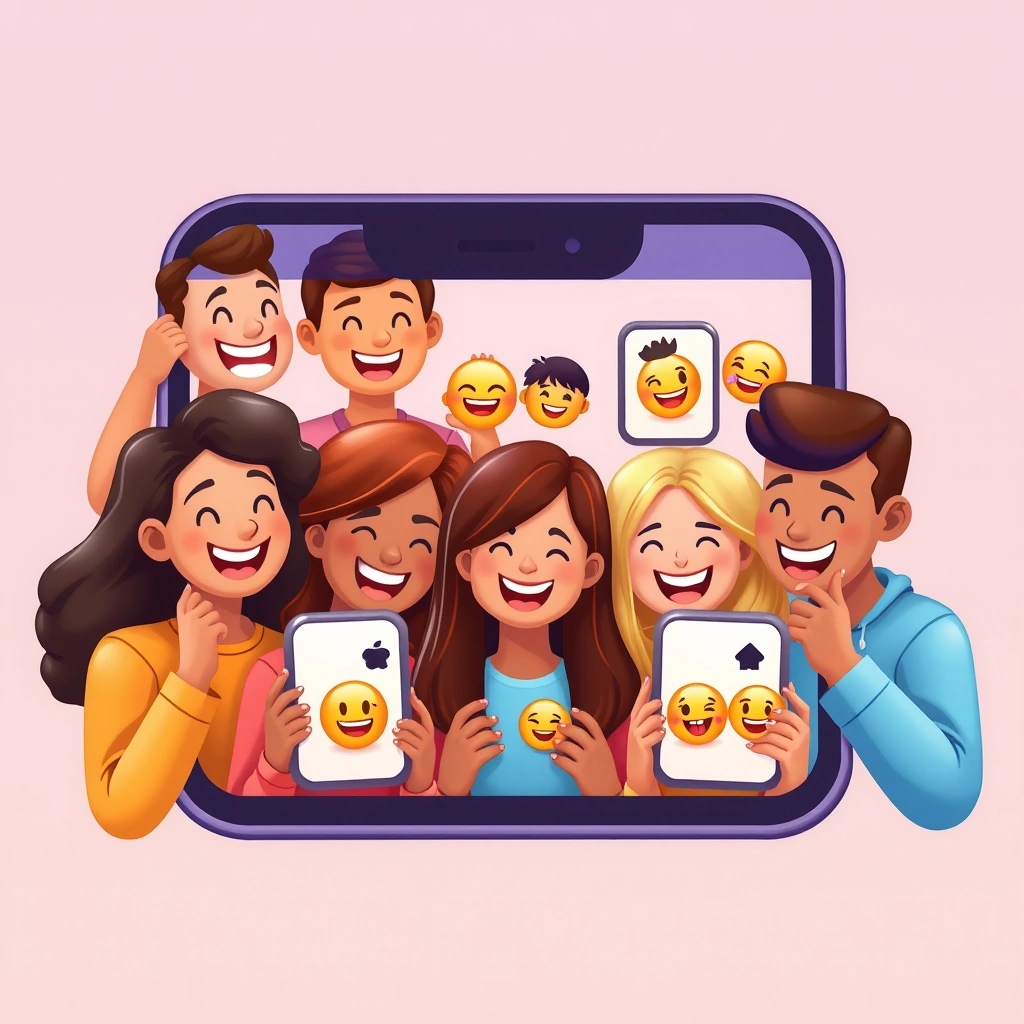
Conversely, a pair can also express complex feelings without derailing the conversation. In a fast-moving planning chat, responding with a check mark and a weary face ✅😪 efficiently communicates "Task done, but I’m exhausted" without needing a long explanatory text. It’s efficient empathy.
Common Pairs and Their Unspoken Contracts
Let’s look at some classics. The Smile + Sweat combo 🙂😓 is the universal signal for "I’m trying to be polite/positive about a situation that is deeply stressful." It’s the emoji equivalent of a strained smile in a meeting.
The Fire + Eyes combo 🔥👀 is no longer just "look at this hot thing." In a group context, it often means "I am observing this drama with great interest and approval." It’s for when someone shares a story of petty revenge or flawless success.
Then there’s the Heart + Broken Heart ❤️💔. Alone, a broken heart is pure sadness. Preceded by a full heart, it becomes bittersweet nostalgia, empathy for someone else’s pain, or "I love this memory, even though it’s over." The pair tells a mini-story of before and after.
These combinations are becoming a grammar of their own. For a deeper dive into how pairs shape our daily conversations, this exploration of emoji pairs as a secret language is a great read.
When the Pair Becomes the Whole Message
Sometimes, the text disappears altogether. Someone shares an outrageous story, and you reply with just: 🤦♂️😂. The facepalm acknowledges the absurdity or frustration of the situation; the laugh acknowledges its humor. Together, they form a complete, nuanced reaction that words might complicate. In a busy group, this brevity is a gift.
This is where emoji pairs truly shine. They convey a compound feeling—amused exasperation, joyful surprise, skeptical agreement—in a fraction of a second. They keep the chat flowing with emotional clarity, not just information.
So next time you’re hovering over the emoji keyboard in your group chat, trust that instinct to pick two. You’re not being extra. You’re being precise. You’re reading the room and responding in kind, using a quiet, visual language that brings your digital friends just a little bit closer. That’s the real power of the pair—it doesn’t just send a message; it builds connection.
To see more examples and thoughts on how we mix and match our digital expressions, check out other posts in our emoji & combinations category.
📒 Related Blogs
More...The Secret Language of Emojis: How They Soothe Our Digital Jitters
The Invisible Hand: How Emojis Steer Understanding in Online Communities
The Unseen Power: How Emojis Secretly Shape What Others Think of You
The Quiet Language of Family: How a Simple Emoji Says 'I'm Here'
Beyond Words: How Emojis Transform Casual Chats into Playful Adventures!