When Words Fail: How Emojis Bridge Awkward Silences

Jan 24,2026
You know that feeling. You send a message—maybe it's a bit of a joke, a piece of news, or just a simple question. You hit send. And then… nothing. The little 'Read' receipt glares back at you, but the reply bubble is empty. The silence stretches. Was it too much? Did they take it the wrong way? Suddenly, your own words feel heavy and ambiguous in the quiet.
It’s in these digital limbo moments that I’ve found emojis to be absolute lifesavers. Not as a replacement for conversation, but as a gentle nudge, a softener for the edges that text so often creates.
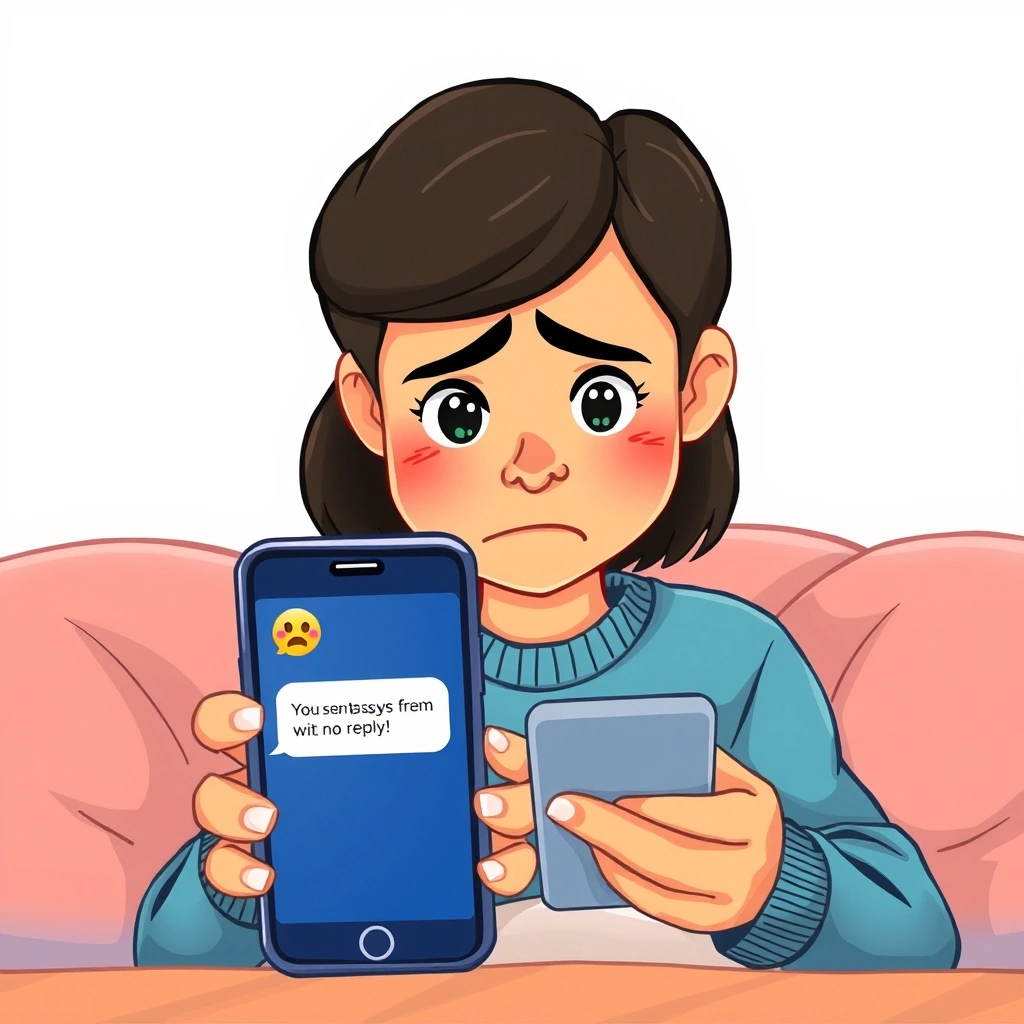
Think about it. Text strips away so much. My voice, my face, the little shrug I might give in person—all gone. What’s left is just black text on a white screen, open to interpretation. A statement like "Sure, that's fine" could be genuinely agreeable, passively annoyed, or sarcastically furious. Without tone, it’s a guessing game for the person on the other end.
That’s where an emoji steps in. It’s not about being childish or avoiding 'proper' communication. It’s about providing a tiny, crucial piece of context. "Sure, that's fine 😊" feels warm and accepting. "Sure, that's fine 😐" might indicate a hesitant okay. "Sure, that's fine 🙃"… well, that’s a whole other conversation, probably best had in person!
The Unspoken Rescue
This act of softening the silence is something I’ve written about before, calling it The Unspoken Rescue. It’s that moment when you can feel the tension building in a chat, and dropping in a simple 😅 or a ❤️ can just… deflate the potential awkwardness. It signals intent. It says, "I’m still here, and I’m coming from a friendly place," even when you’re still thinking of what to say next.
I use it all the time. If I have to deliver slightly disappointing news, I might add a 🥲. If I’m asking a big favor, a 🥺 can convey the hopeful, slightly pleading tone my voice would carry. It’s a punctuation mark for emotion.
More Than Just Decoration
Some people dismiss emojis as frivolous decorations. But in the high-stakes, low-context world of digital messaging, they’re tools for emotional clarity. They help prevent misunderstandings before they even start. That uncomfortable silence after a message? Often, it’s not anger—it’s the other person trying to decode your tone, just as you’re now worrying about theirs.
By sending a follow-up emoji, you’re not being needy. You’re offering a key. You’re saying, "Here’s how I meant that." A wink 😉 after a teasing comment. A heart ❤️ after a supportive one. A facepalm 🤦♀️ after you realize you’ve said something silly. It closes the interpretive gap.
It works the other way, too. When you’re on the receiving end of a silence, sending a gentle, questioning emoji can be a low-pressure way to check in. A simple "?" can feel confrontational. But a "👀?" or a "😅 everything okay?" feels softer, more curious than accusatory.
Of course, it’s not a perfect science. Emoji meanings can be subjective, and overuse can muddy the waters. But used thoughtfully, they are incredible for maintaining the flow and feel of a real conversation. They’re the digital equivalent of a smile across the room or a pat on the shoulder.
So the next time you feel that familiar pang of anxiety as the chat stays quiet, don’t just sit there spiraling. Consider the power of a single character. That tiny, yellow, smiling face might be all it takes to turn an uncomfortable silence into a moment of shared understanding. For more on how emojis navigate these tricky social moments, you can explore other thoughts here.
It’s funny, isn’t it? How we’ve developed this whole visual language to compensate for what our phones and computers take away. We’re just trying to connect, to be understood. And sometimes, the simplest, most colorful little icon is the best tool for the job.
📒 Related Blogs
More...The Secret Language in Your Texts: How Emoji Pairs Shape Every Conversation
The Hidden Impact of Emojis on Your Mental Health & Digital Well-being
The Journey of Emojis: From Simple Kaomoji to Global Digital Icons
Emoji's Emotional Shortcut: Understanding Instant Judgments in Digital Chat
The Psychology of Emojis: Why We Can't Live Without Digital Icons
The Anticipation Pixel: How Emojis Bridge the Gap in Emotional Uncertainty