The Psychology of Emojis: Why We Can't Live Without Digital Icons

Dec 11,2025
In our increasingly digital world, where text messages and emails dominate communication, something small yet incredibly powerful has emerged to bridge the gap in emotional expression: emojis. These delightful little icons have become an indispensable part of how we connect, convey feelings, and even understand each other. But why do we love emojis so much? What's the psychology behind our obsession with these digital symbols?
The Power of Nonverbal Communication in a Digital World
One of the primary reasons for the widespread adoption of emojis lies in their ability to restore a crucial element of human interaction often lost in text-based exchanges: nonverbal cues. When we talk face-to-face, we rely heavily on facial expressions, body language, and tone of voice to fully grasp the meaning and emotion behind words. In digital communication, these cues are absent, leading to potential misunderstandings or a lack of emotional depth. Emojis step in as digital surrogates for these nonverbal signals.
Imagine receiving a text message saying "Sure." It could be enthusiastic, sarcastic, or indifferent. Now imagine it with a 😊. Suddenly, the meaning is clearer, infused with a positive and friendly tone. Websites like emojilar offer a fantastic Emoji collection for every sentiment, making it easier to find the perfect icon.
Bridging the Emotional Gap
Emojis are incredibly efficient at conveying emotions quickly and clearly. A single Red Heart speaks volumes of affection, while a Face with Tears of Joy instantly communicates humor and joy. They allow us to inject personality, warmth, and even sarcasm into our messages without having to type out lengthy explanations. This emotional shorthand is particularly valuable in fast-paced conversations, where brevity is key but emotional clarity is still desired. 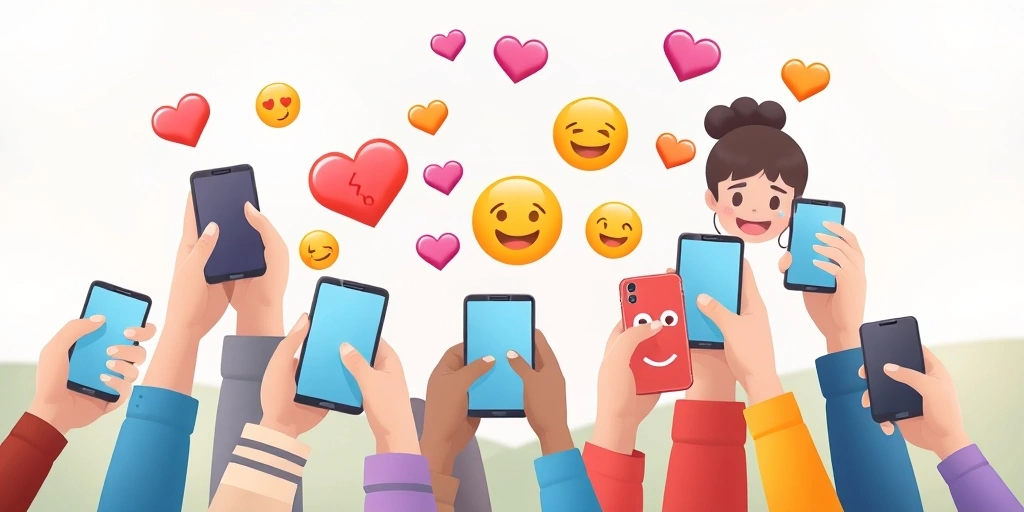 They help us express complex feelings that might be difficult to articulate with words alone, fostering deeper, more nuanced connections.
Emojis as Social Glue
Beyond individual expression, emojis play a significant role in social bonding and group dynamics. They help establish rapport, reinforce inside jokes, and create a sense of shared understanding within communities. When everyone in a chat uses the same quirky emoji, it solidifies group identity. They can soften critical feedback, add levity to serious topics, and generally make interactions feel more human and less transactional. Think of a group chat where a particularly funny comment is met with a flurry of 😂s – it's a shared moment of joy.
A Universal Language (Almost)
While cultural interpretations can vary, many emojis possess a near-universal understanding, making them effective tools for cross-cultural communication. A 👍 generally means approval, and a 😥 conveys sadness almost everywhere. This universality makes them powerful for connecting with people across the globe, transcending language barriers in a way that plain text often cannot. When you Copy emoji, you're not just copying an image, you're copying a widely understood symbol. The ability to Paste emoji seamlessly into any conversation has truly revolutionized digital discourse. 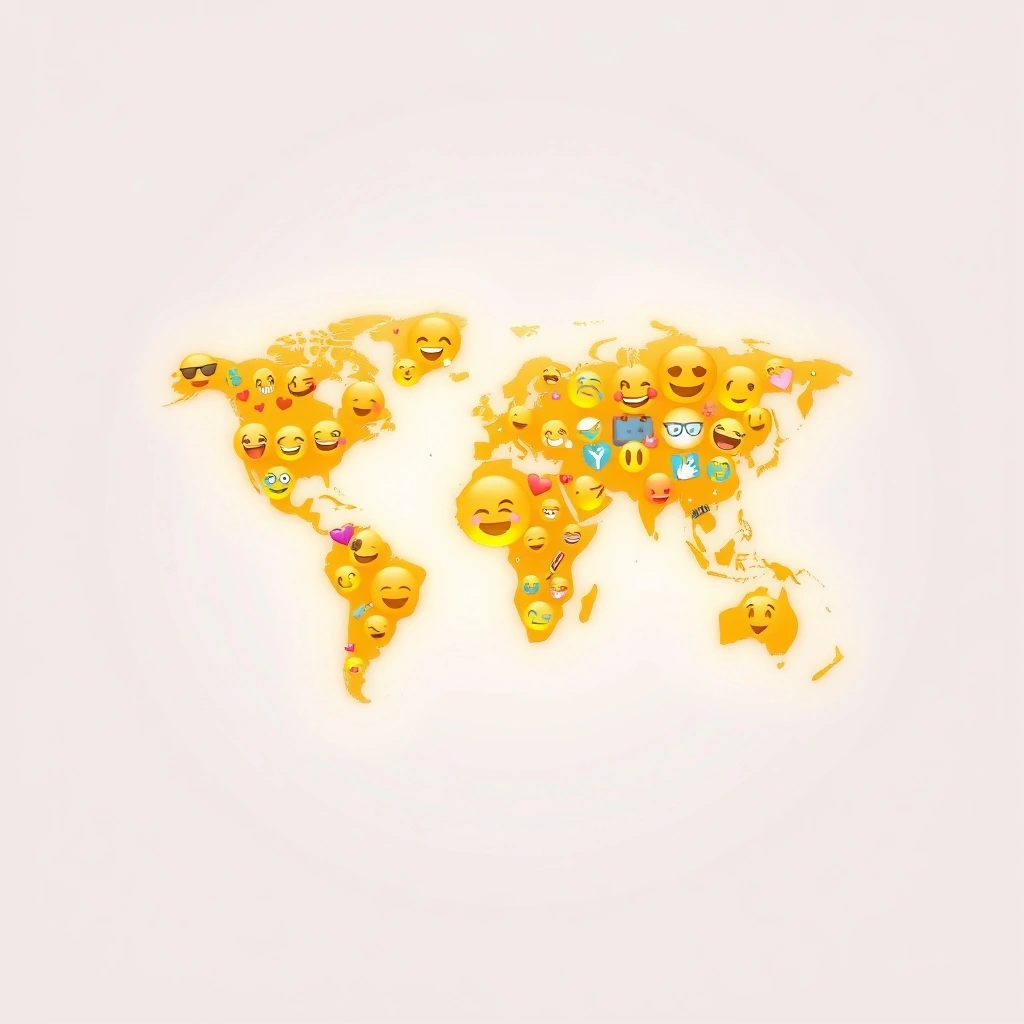
But it's not just about conveying joy or sadness. Emojis also help in managing the tone of a conversation. A Thinking Face can signal contemplation or uncertainty, inviting further discussion rather than closing it down. They add a layer of human touch, preventing messages from appearing cold or abrupt. Our brains are wired to process visual information quickly, and emojis leverage this, providing immediate emotional context that text alone struggles to deliver.
In conclusion, our love affair with emojis is deeply rooted in human psychology. They fulfill our innate need for nonverbal communication, allow for efficient emotional expression, build social connections, and offer a degree of universality in a fragmented digital world. As technology evolves, so too will our methods of communication, but one thing is clear: emojis are here to stay, continuing to enrich our online interactions, one tiny icon at a time. The convenience of an Emoji online resource ensures these little powerhouses remain accessible to everyone. 
📒 Related Blogs
More...The Power of Emojis: Shaping Online Identity and Self-Expression
The Secret Language of Emojis: How Online Communities Shape Our Digital Expression
The Softening Power of Emojis: How a Simple Icon Can Defuse Tension Online
Lost in Translation? The Surprising Ways Emojis Stir Up Mixed Reactions Online
How Emojis Quietly Mend Fences in Your Group Chats
The Unsung Heroes of Clarity: How Emojis Quietly Prevent Misunderstandings