The Secret Language of Emojis: How Online Communities Shape Our Digital Expression

Jan 29,2026
Remember the skull emoji? Not long ago, it was just a simple pictograph for, well, death or danger. But if you’ve spent any time on TikTok, Twitter, or even in certain group chats, you know it’s been completely reborn. Today, 💀 doesn’t mean “I’m in mortal peril.” It means “I’m laughing so hard I’m dead.” This shift didn’t come from a dictionary update or a corporate memo. It bubbled up from the inside jokes and shared understanding of online communities, spreading until it became a new, universally understood piece of digital slang.
This is the fascinating, organic process behind how emojis evolve. They aren't static symbols handed down from on high. Instead, they follow patterns meticulously shaped by the communities that use them on social platforms. The meaning of an emoji is less about its official description and more about the collective agreement of the people typing it.
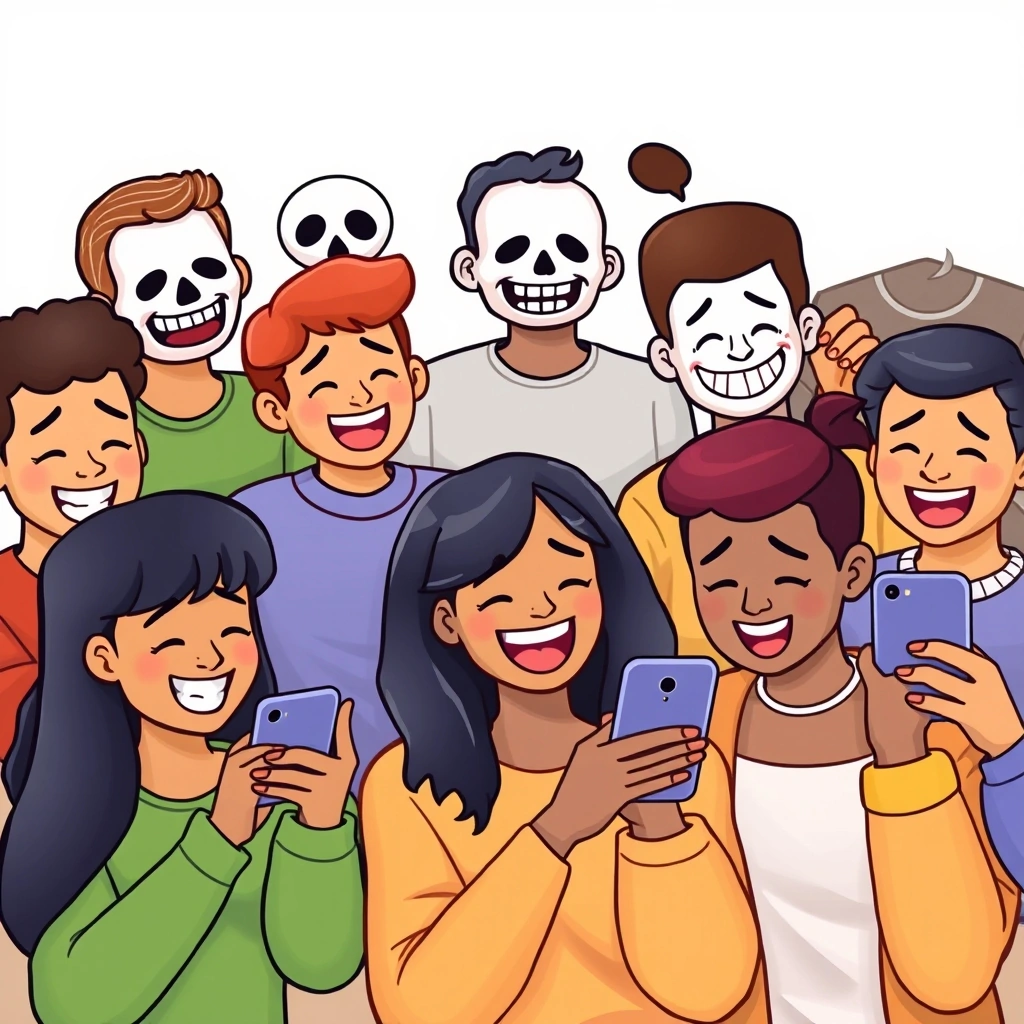
Think of an online community—a fandom, a gaming group, a niche hobby forum—as a small town with its own dialect. Inside jokes, shared references, and common experiences create a need for specific, efficient expression. Emojis, with their visual immediacy, become perfect shorthand. A single emoji can convey a complex inside joke, a mood, or a reaction that would take a paragraph to explain in text. This is how the pleading face (🥺) morphed from “puppy-dog eyes” to a versatile tool for expressing earnest desire, gentle requests, or even playful manipulation, depending on the context of the conversation and the platform it’s on.
The Ripple Effect: From Niche to Mainstream
So how does a meaning jump from a small Discord server to your aunt’s Facebook comment? It starts with critical mass and cultural influence. When a community’s usage is picked up by influencers, meme accounts, or viral posts, it escapes its original container. The algorithm does the rest, serving this new usage to wider and wider audiences until it becomes part of the broader digital lexicon.
Platforms themselves act as petri dishes, each with its own ecosystem that encourages certain behaviors. The fast-paced, reply-driven nature of Twitter (now X) makes it ideal for reactionary and sarcastic emoji use. Instagram’s visual focus might see emojis used more for aesthetic emphasis in captions. The semi-private, persistent chats of Discord or Slack allow for deeply ingrained, community-specific emoji languages to develop, complete with custom server emojis that have meaning only to the initiated.
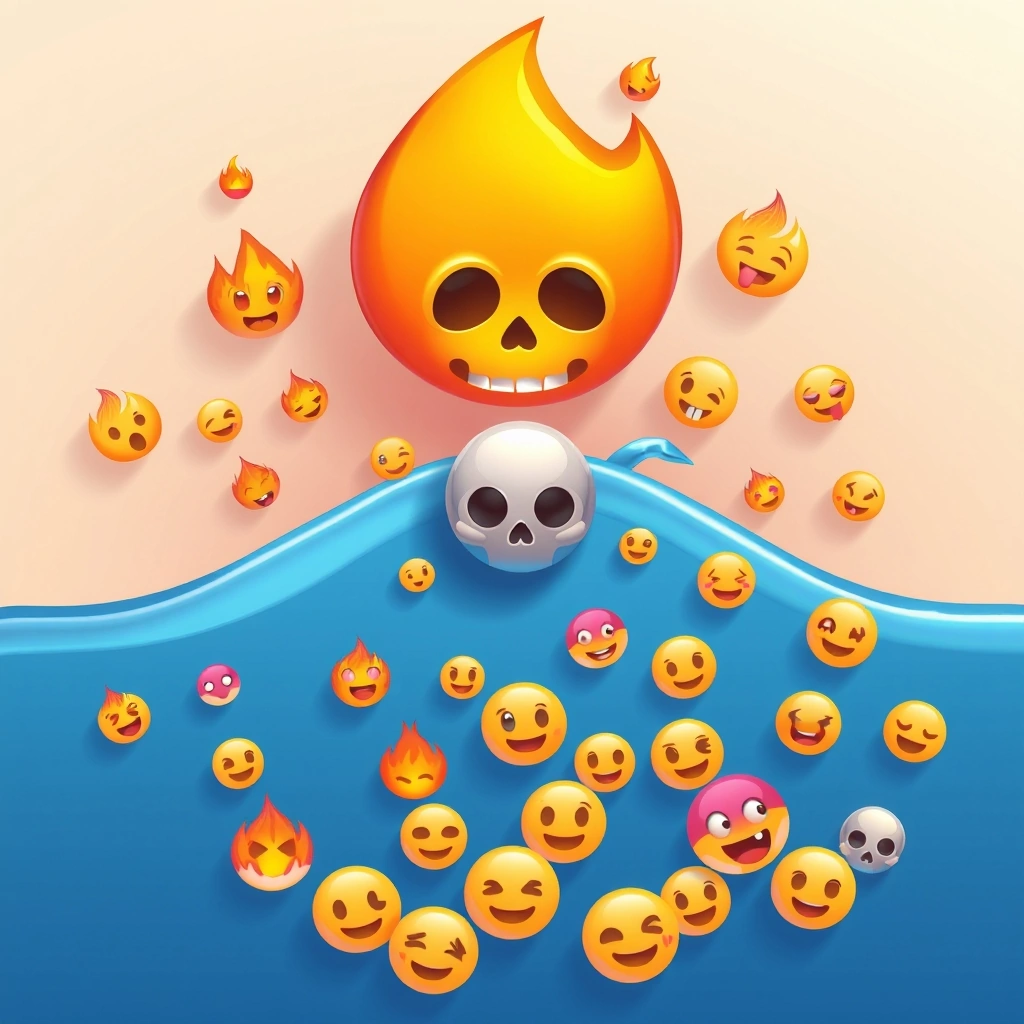
This community-driven evolution is a continuous cycle of creation, adoption, and sometimes, abandonment. An emoji might be hot one season and feel dated the next, as the cultural moment that spawned its new meaning passes. This mirrors our changing collective moods and world events, with emoji trends acting as a real-time pulse check on digital culture.
Why This Matters for How We Communicate
Understanding that emojis are community-shaped tools changes how we view digital conversation. It means that miscommunication isn’t just about picking the “wrong” emoji; it can be about being outside the cultural loop. Using an emoji in a way that’s outdated or unaware of its new, community-forged meaning can mark you as an outsider or lead to confusion.
It also highlights the beautiful, democratic nature of language evolution. No single entity controls it. A teenager in a gaming stream can spark a new usage that eventually gets picked up by a multinational brand in an advertising campaign. This bottom-up creation is what keeps digital communication feeling alive, personal, and deeply human. It’s a reminder that our tools for connection are constantly being remade by the very act of connecting.
So the next time you reach for the fire emoji (🔥) to say something is amazing, or the eyes (👀) to signal gossip, remember you’re not just using a cute picture. You’re participating in a living, breathing language built by millions of tiny interactions across countless digital campfires. You’re speaking a dialect that was coded not by engineers, but by us. To explore more about how these digital symbols reflect our shared experiences, check out our thoughts on emoji culture and trends.
📒 Related Blogs
More...How a Simple Emoji Can Save Your Busy Workday
The Emoji Revolution: Transforming Marketing & Branding Strategies
The Emoji Glow-Up: How Viral Trends Reshape Meanings Overnight 🤯
The Secret Language: How Emojis Make Our Digital Chats Flow Effortlessly
The Art of Emoji Etiquette: Mastering Professional Communication with Emojis
The Quiet Language of Family: How a Simple Emoji Says 'I'm Here'