The Emoji Glow-Up: How Viral Trends Reshape Meanings Overnight 🤯

Jan 02,2026
Ever sent an emoji thinking you knew exactly what it meant, only to realize later that the internet had, shall we say, repurposed it? You’re not alone! Emojis are some of the most dynamic parts of our digital language, constantly morphing their meanings faster than a TikTok trend. What starts as a simple smiley face can, with enough viral attention, become a symbol for something entirely different, sometimes even contradictory. It’s wild to think about how a tiny graphic can carry such a heavy, shifting cultural weight, isn't it? This interplay between emojis and the ever-evolving internet landscape is a cornerstone of emoji culture and trends, shaping how we connect and express ourselves daily.
The Lightning Speed of Emoji Evolution
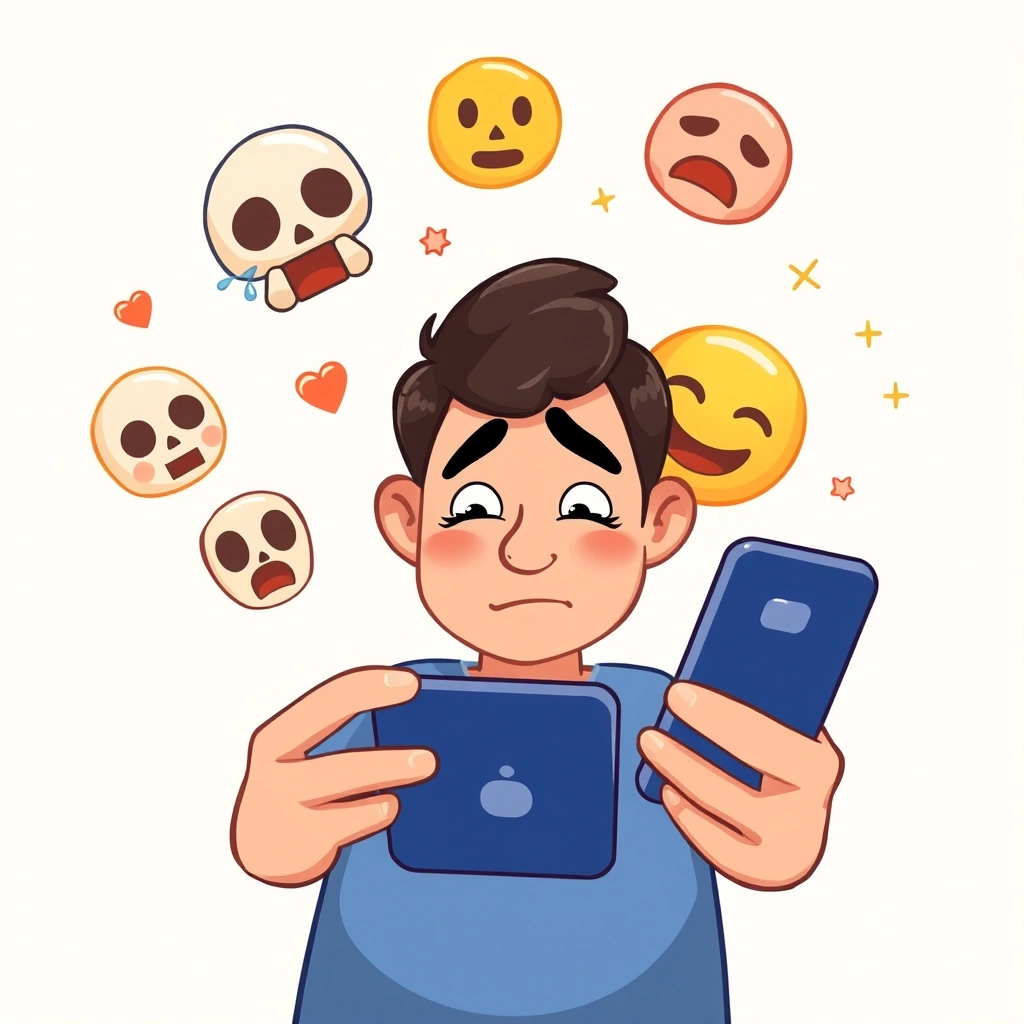
In the blink of an eye, a seemingly innocuous emoji can take on a whole new persona. This isn't a slow, linguistic drift over decades; we're talking weeks, sometimes even days, driven by the sheer velocity of online trends and viral moments. Think about the humble skull emoji 💀. Originally designed to signify death or danger, it’s now commonly used to express "I'm dying of laughter," "I'm so embarrassed," or "This is so good, I can't even." The original meaning is still there, of course, but the viral context has added layers of ironic, playful usage that are now just as, if not more, prevalent.
This rapid reinterpretation isn't random. It often originates within specific online communities or subcultures, gaining traction through memes, inside jokes, and popular creators. Once a critical mass is reached, it spills over into mainstream usage, leaving some of us scratching our heads and others nodding in knowing agreement. It truly shows how powerful collective understanding can be, even without a formal dictionary update. If you're interested in how these communities drive digital language, you might enjoy reading about how online communities shape our favorite emojis.
From Literal to Laughter: Famous Emoji Flips
Let's talk about some specific examples that truly highlight this phenomenon. The loudly crying face emoji 😭, for instance. While it still means profound sadness, its usage exploded in contexts of extreme humor, frustration, or even overwhelming joy. "I'm crying laughing" became synonymous with it, especially in reaction to absurd or highly relatable content. It’s like our emotions became so intense, only the most dramatic display of tears could capture the feeling of something being too funny or too real.
Another fantastic example is the sparkle emoji ✨. Initially just an indicator of something shiny or magical, it's become a versatile tool for emphasis, sarcasm, or to subtly "glam up" a phrase. Adding ✨ to a statement can instantly transform it, adding a layer of ironic flourish or a touch of playful theatricality. It’s no longer just about glitter; it’s about a feeling, a vibe, an implication.
Decoding the "IT" Factor: Why Some Emojis Go Viral
What makes an emoji ripe for reinterpretation? It often comes down to its visual ambiguity or its ability to convey a wide spectrum of emotion with minimal fuss. Emojis that are slightly abstract, or those that depict an exaggerated emotion, seem particularly susceptible to having their meanings twisted or expanded. They offer a blank canvas for collective consciousness to project new interpretations onto.
Consider the humble pleading face emoji 🥺. While it clearly implies pleading or cuteness, it quickly became a go-to for expressing "puppy dog eyes," intense longing, or even a self-aware form of endearing vulnerability. Its versatility allowed it to transcend its initial design and become a shorthand for a whole host of emotional nuances.
The Cultural Barometer of Our Times
Emojis aren't just changing; they are mirroring the rapid shifts in our culture. They act as tiny barometers, reflecting current trends, social commentary, and even political undertones. A viral moment can propel an emoji into a symbol of a movement, a shared inside joke, or a collective sigh of exasperation. This continuous evolution means that understanding emoji usage is akin to understanding the pulse of online culture itself. It’s a fascinating aspect of digital communication that keeps us on our toes, reminding us that language, even in its most modern forms, is always alive and adapting.
It's incredible how quickly these symbols become ingrained in our shared understanding, chronicling our digital experiences almost in real-time. If you're fascinated by how these digital symbols tell our story, you might be interested in how emojis chronicle our digital history.
Keeping Up: Navigating the Ever-Changing Emoji Landscape
So, how do you keep up with the ever-shifting sands of emoji meaning? There’s no official dictionary that updates daily, unfortunately! The best way is simply to stay engaged with online culture. Observe how others are using them, especially across different platforms and communities. Context is king, and a little social media lurking can go a long way in understanding the latest nuances. Don't be afraid to ask if you're unsure – chances are, someone else is probably wondering too!
The dynamic nature of emojis is part of their charm. They make our digital conversations richer, more expressive, and often, much funnier. They’re a testament to the creativity and adaptability of human communication in the digital age, a constant reminder that language is a living thing, always growing, always changing, always surprising us. And that, I think, is pretty ✨ amazing ✨.
📒 Related Blogs
More...The Art of the Project Update: How Emojis Keep Work Chats Clear and Kind
The Secret Life of Emojis: How Viral Moments Reshape Our Digital Language
Beyond 'Okay': What the Thumbs Up Emoji Means Globally
The Gentle Art of the Quick Reply: How Emojis Soften Brief Messages in Group Chats
The Tiny Emoji Trick That Makes Your Short Texts Feel Warmer