Beyond 'Okay': What the Thumbs Up Emoji Means Globally

Dec 11,2025
Emojis have become an integral part of our digital conversations, adding emotion and context where words alone might fall short. They bridge language barriers and enhance our messages. But what happens when a seemingly innocuous symbol carries vastly different meanings across the globe? The Thumbs Up emoji (👍) is a prime example of such cultural complexity.
The Ubiquitous Thumbs Up: A Global Greeting?
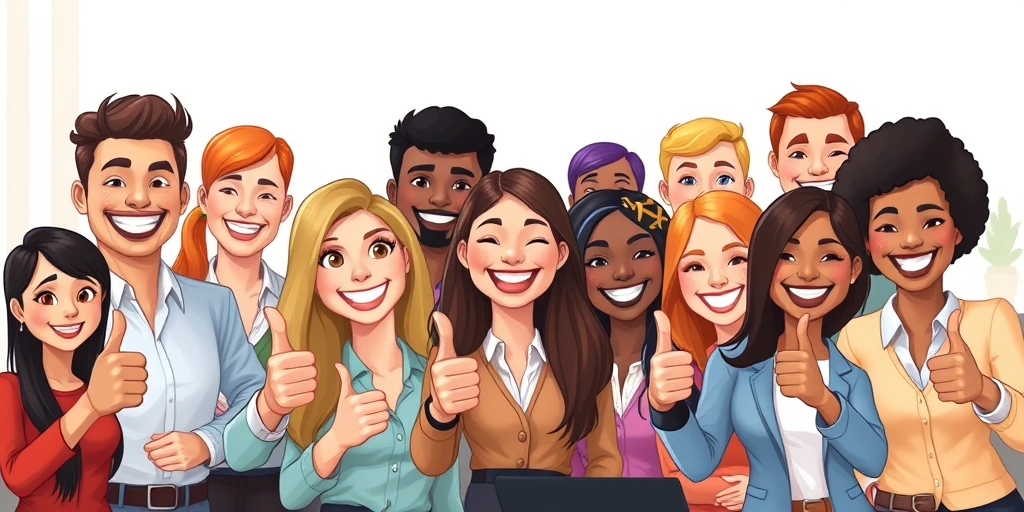
In many Western cultures, giving a 'thumbs up' is a clear sign of approval, agreement, or encouragement. From indicating 'okay' to expressing 'good job' or 'all clear,' it's a positive, informal gesture understood by millions. It's so ingrained that for many, it's the default way to show affirmation online. This simple gesture often signifies success, a job well done, or just general positive sentiment. It's a quick way to communicate 'yes' without typing a single word. When you want to copy emoji for a quick response, the thumbs up is often a go-to choice.
Where 'Thumbs Up' Can Go Wrong
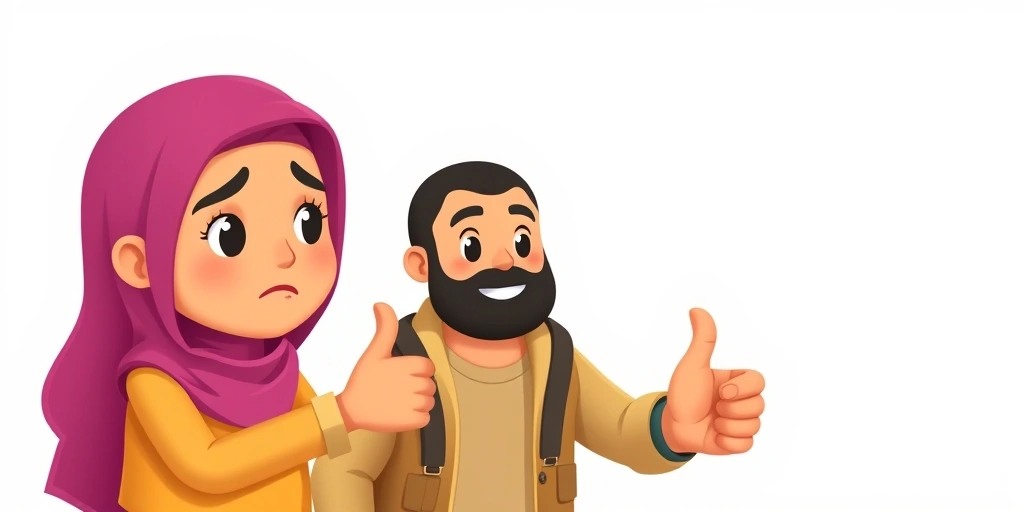
However, venture outside of North America and parts of Europe, and the thumbs up can take on a surprisingly offensive connotation. In many parts of the Middle East, West Africa, South America, and even some areas of Russia, it's considered an insulting gesture, often equivalent to showing your middle finger in Western societies. Imagine sending a 'thumbs up' to a colleague in Iran, thinking you're being supportive, only to inadvertently insult them! This stark contrast highlights the importance of understanding non-verbal communication in a globalized world, even with digital symbols.
Navigating Emoji Etiquette Across Borders
So, how do we avoid these potential digital faux pas? The key is cultural awareness. Before using emojis with international contacts, it's always wise to be mindful of their cultural background. When in doubt, it might be safer to opt for more universally understood emojis like a simple smiley face (😊) or a grateful hands emoji (🙏), although even these can have nuanced interpretations. Exploring an extensive emoji collection and understanding each symbol's history and common usage can be incredibly helpful for seamless global communication. Remember, what's 'okay' in one place can be a complete no-go in another.
The Thumbs Up emoji serves as a powerful reminder that our digital language is just as complex and culturally rich as our spoken one. While emojis offer a fun and efficient way to express ourselves, a little knowledge about their cultural interpretations can go a long way in fostering positive and respectful interactions across the globe.
📒 Related Blogs
More...The Slow Fade: How Emojis Quietly Show Our Disappointment
The Silent Language: How Emojis Fill the Gaps in Our Daily Texts
The Unspoken Rescue: How Emojis Save Us From Socially Awkward Moments
The Secret Language of Emojis: How They Become Our Instant Communication Shortcuts
How Emojis Keep Your Casual Chats Warm and Friendly
Emoji Magic: How They Erase Doubt & Build Stronger Bonds in Every Chat!