How Emojis Keep Your Casual Chats Warm and Friendly

Feb 02,2026
The Unspoken Tone of a Casual Chat
Think about the group chats you're in. The ones with your closest friends, your siblings, or your parents. The conversations there aren't formal. They're a stream of shared jokes, weekend plans, funny memes, and quick check-ins. The tone is everything—it's relaxed, supportive, and familiar.
But text is a tricky medium. Without the cues of a voice or a face, a simple "okay" or "sure" can land flat, or even seem cold. This is where emojis step in, almost without us noticing. They're the digital equivalent of a warm smile or a playful nudge that keeps the vibe exactly where it should be.
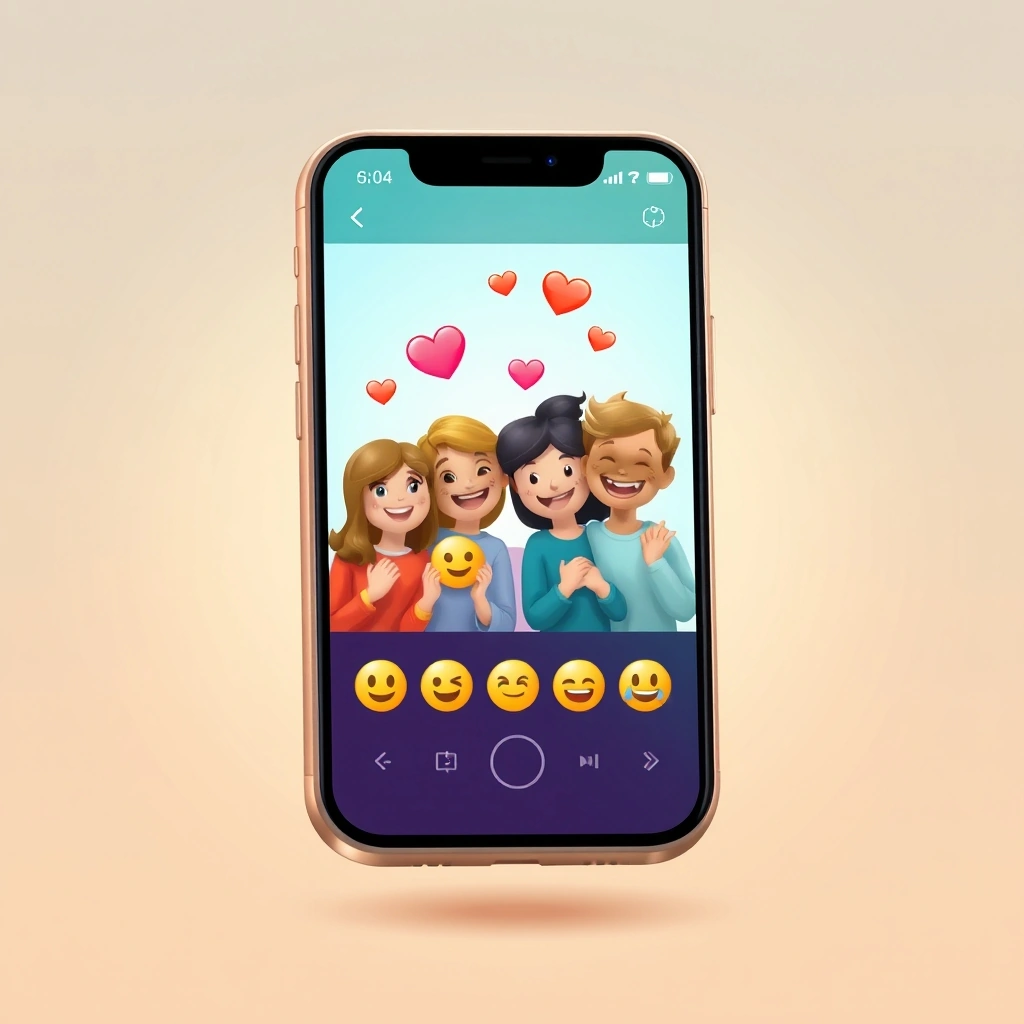
Filling in the Gaps That Words Leave
In a face-to-face conversation, so much meaning comes from how we say things. A raised eyebrow, a soft tone, a grin. In a text, an emoji does that job. Sending "See you later!" feels complete. Sending "See you later! 😊" feels friendly. Sending "See you later! 🎉" feels excited. The words are the same, but the emotional color is entirely different.
This subtle shading is crucial in relaxed settings. It prevents the little misunderstandings that can happen when someone is busy, typing quickly, or just not in a verbose mood. A thumbs-up 👍 says "got it" in a way that feels more affirmative than a plain "k." A crying-laughing face 😂 immediately signals you're joking, so your sarcasm doesn't accidentally offend.
It's a form of unspoken language that everyone in the chat intuitively understands.
Maintaining the Group Vibe
Group chats have their own personalities. Emojis become a key part of maintaining that collective mood. When someone shares good news, the flood of 🎉❤️🔥🙌 isn't just congratulatory—it's a chorus of shared excitement. It makes the person sharing feel celebrated by the whole group, not just acknowledged individually.
Similarly, when someone vents a minor frustration, a series of 🤦♀️😮💨🙏 can express solidarity and empathy more efficiently than typing out "Ugh, that's so annoying, I feel for you." It keeps the conversation flowing and supportive without turning it into a heavy therapy session. The chat stays light and connected.
This use of emojis helps turn everyday chats into something lighter. They act as social glue, reinforcing bonds and making digital interaction feel more human and less transactional.
Beyond Decoration: Emojis as Social Cues
We often don't think of emojis as carrying such weight, but in our familiar circles, they do. Choosing a red heart ❤️ over a yellow one 💛 might carry specific meaning with your best friend. Using the same inside-joke emoji repeatedly creates a shorthand that's unique to your relationship.
This isn't about following rules or using emojis "correctly." It's about using them authentically to match the tone of your relationship. A string of random, playful emojis can be the entire conversation with a sibling, conveying a mood of silly boredom or affection that words would overcomplicate.
The beauty is in their simplicity and flexibility. They allow us to be present in our chats—to show we're listening, that we care, that we're on the same wavelength—without having to craft a perfect sentence every time. In the busy flow of daily life, that ease is invaluable. For more on how emojis weave into the fabric of our daily interactions, you can explore thoughts on emoji daily life.
So next time you're in that comfortable chat with your people, notice the emojis. They're not just decorations. They're the quiet, steady pulse keeping the conversation friendly, warm, and unmistakably yours.
📒 Related Blogs
More...The Art of Intentionality: How Emojis Transform Casual Digital Chats
The Fascinating Evolution of Emojis: From Simple Emoticons to Global Icons
The Great Emoji Debate: Are Emojis Enhancing or Hindering Modern Language?
The Secret Language of Emojis: Decoding Their Meanings Across Cultures
The Hidden Meaning: Understanding the Psychology Behind Your Favorite Emojis
The Unsung Heroes of Clarity: How Emojis Quietly Prevent Misunderstandings