The Hidden Meaning: Understanding the Psychology Behind Your Favorite Emojis

Dec 14,2025
In our increasingly digital world, words alone often fall short. How do you convey sarcasm, genuine joy, or a subtle hint of disapproval through text? Enter emojis – those small but mighty pictograms that have revolutionized how we communicate. More than just decorative icons, emojis are powerful tools that bridge the emotional gap in digital conversations. But have you ever wondered what your choice of emoji truly says about you, or why certain ones resonate more than others? Let's dive into the fascinating psychology behind your favorite Emoji collection and uncover the hidden meanings.
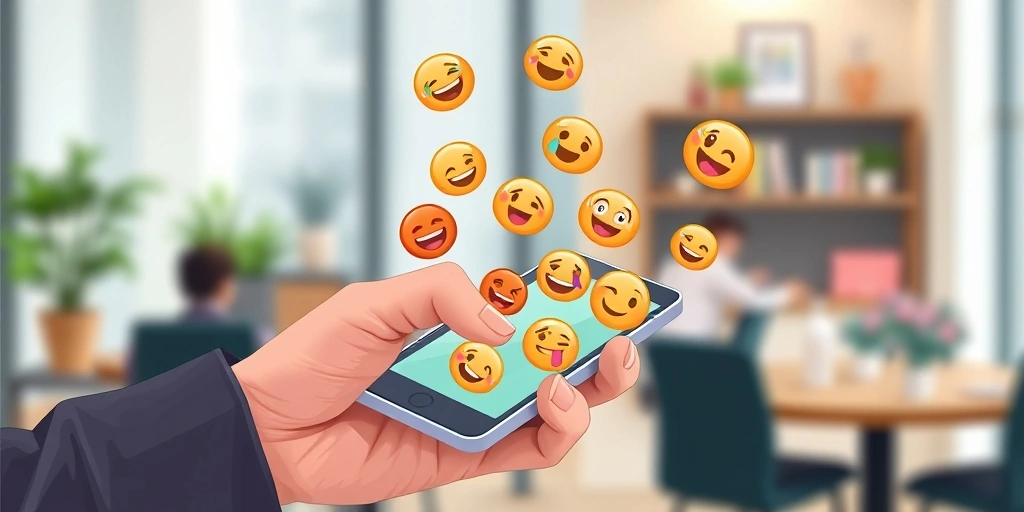
The Power of Pictograms: Why Emojis Matter
Emojis serve as a vital non-verbal component in a text-based medium, much like facial expressions and body language do in face-to-face interactions. They provide emotional cues, clarify tone, and can significantly alter the interpretation of a message. Imagine receiving "Okay." versus "Okay! 😀". The difference is palpable. Researchers have found that emojis can actually activate the same areas of the brain that respond to human faces, indicating their profound impact on our perception of communication partners. They allow us to add warmth, humor, or seriousness, enriching our messages in ways plain text simply cannot.
Decoding Your Digital Self: What Your Favorite Emojis Say About You
Our go-to emojis aren't random; they often reflect our personality, emotional state, and even our communication style. Consider some popular examples:
The Ever-Present Happy Faces
The Smiling Face with Open Mouth (😀) is a staple for expressing genuine happiness, agreement, or simple politeness. Users who frequently employ this might be seen as cheerful and approachable. However, its overuse can sometimes be perceived as passive-aggressive or insincere, depending on context. The Pleading Face (🥺) often conveys a sense of vulnerability, cuteness, or an exaggerated request for sympathy, commonly used by those who enjoy playful emotional expression.
Expressing Extreme Emotions
For moments of intense sadness or even humorous exaggeration, the Loudly Crying Face (😭) is a go-to. It signals overwhelming emotion, whether it’s genuine sorrow, immense laughter, or playful distress. Similarly, the Red Heart (❤️) is a universal symbol of love and deep affection, often used to express strong positive feelings towards people, ideas, or content. If you frequently copy emoji and paste hearts, you likely prioritize warmth and connection in your interactions.
The Nuances of Emoji Use
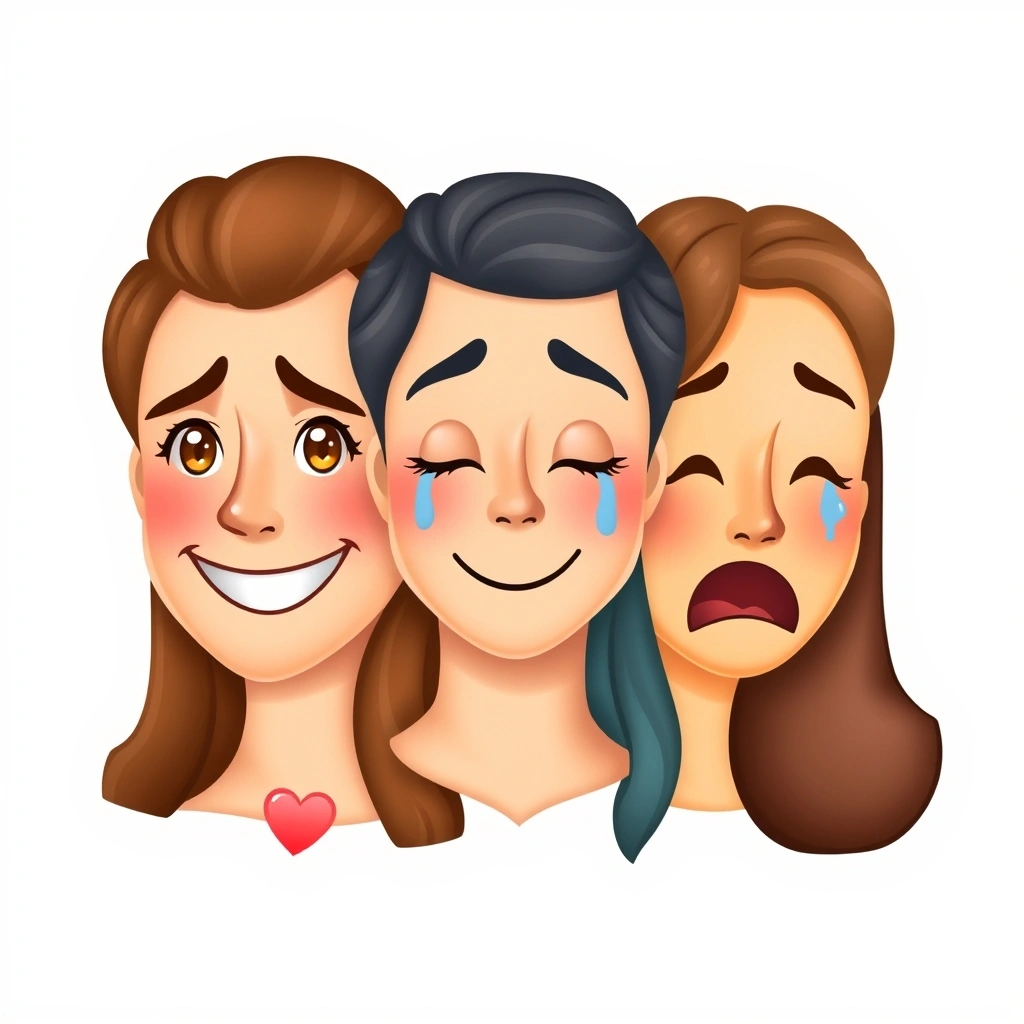
The interpretation and usage of emojis are also influenced by cultural background and generational differences. What might be an innocent emoji in one culture could be offensive in another. Younger generations tend to be more fluid and creative with their emoji use, often assigning new meanings or using them ironically. Understanding these nuances helps us navigate the complex landscape of digital communication more effectively.
Emojis and Empathy
Beyond personal expression, emojis play a crucial role in fostering empathy and understanding. They allow us to inject personality into our messages, making interactions feel more human and less transactional. By visually representing emotions, emojis can reduce misinterpretations that often arise from text-only communication, helping us better understand the sender's true intent and emotional state. This ultimately strengthens digital bonds and makes our online conversations richer and more meaningful. It’s why platforms like emojilar are so popular for those looking to quickly access and paste emoji for all their communication needs.
Ultimately, emojis are a testament to our innate need for emotional expression and connection. They've evolved from simple text emoticons into a sophisticated visual language that profoundly impacts our digital interactions. So, the next time you pick an emoji, take a moment to appreciate the psychological depth behind that tiny icon – it’s saying more than you think!
📒 Related Blogs
More...When Words Feel Heavy: How Emojis Quietly Ease Our Nervous Moments
The Art of Emoji Etiquette: Mastering Professional Communication with Emojis
How Emojis Became Our Secret Weapon for Calming Awkward Chats
When Emojis Backfire: The Unseen Complication of Digital Tone
Emoji Magic: Why a Simple Icon Beats a Thousand Words in Casual Conversation
The Art of the Quick Reply: How Emojis Effortlessly Elevate Our Daily Chats