The Art of Emoji Etiquette: Mastering Professional Communication with Emojis

Dec 22,2025
Emojis have permeated nearly every facet of our digital lives, evolving from casual chat decorations to legitimate tools in professional communication. But navigating the nuanced world of workplace emojis can feel like walking a tightrope. When is it appropriate to add a little smiley face, and when should you stick to strictly formal language? This article will guide you through the art of emoji etiquette in a professional context.
The Evolving Landscape of Professional Communication
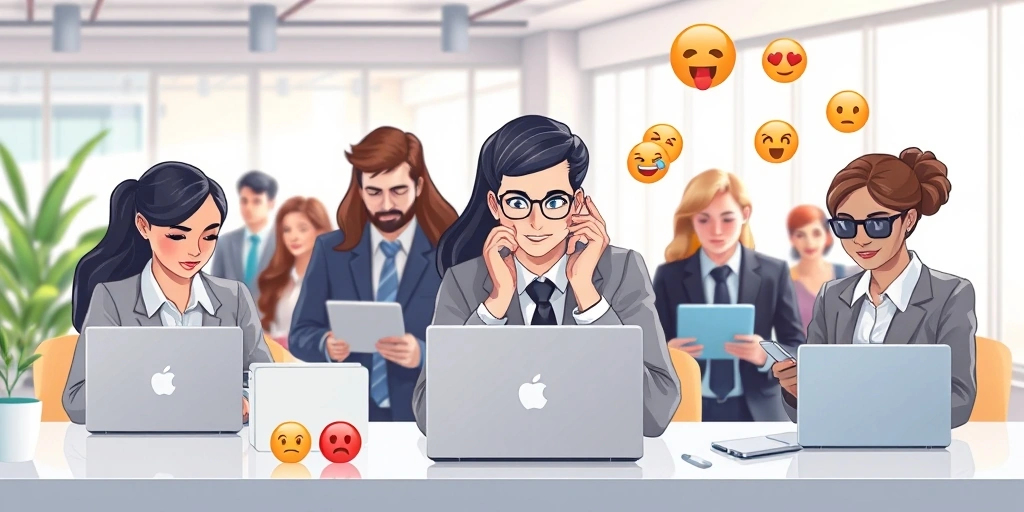
Gone are the days when work emails were strictly text-based and devoid of personality. Modern workplaces, especially those embracing remote work and collaborative tools, often see emojis as a quick way to convey tone, enthusiasm, or even a sense of urgency. They can bridge the gap left by a lack of facial expressions and body language in digital interactions. However, this flexibility doesn't mean a free-for-all. Understanding when and how to integrate emojis is crucial for maintaining professionalism and clarity.
When to Smartly Sprinkle Emojis
1. Internal Team Communication:
In less formal settings with colleagues you know well, a well-placed emoji can enhance rapport and clarify tone. A simple 👍 (thumbs up emoji) can confirm receipt of a message, while a 😊 (smiling face emoji) can convey warmth or agreement. This is particularly useful in quick chats on platforms like Slack or Microsoft Teams. For a broader range of options, check out our Emoji collection.
2. Clarifying Tone and Intent:
Sometimes, a text message or email can be misinterpreted. A playful comment might sound sarcastic without the right inflection. Adding a subtle emoji can signal your friendly intent. For instance, ending a slightly demanding request with a small smile can soften its impact. However, always exercise caution; if there's any doubt, err on the side of formality.
3. Quick Affirmations and Feedback:
Emojis like ✅ (check mark emoji) or a simple 💯 can be effective for quick affirmations or to acknowledge tasks completed, especially in project management tools. They offer a concise way to provide feedback without lengthy text. If you ever need to quickly Copy emoji for these purposes, our site is a great resource.
When to Thoughtfully Hold Back
1. Formal Client Communications:
When communicating with new clients, senior executives, or in any highly formal external correspondence, it's generally best to avoid emojis. The goal here is to project professionalism and seriousness. Save the emojis for when a relationship is well-established and the client’s communication style is understood.
2. Serious or Sensitive Topics:
Never use emojis when discussing sensitive or serious matters, such as performance reviews, disciplinary actions, or critical feedback. Emojis can trivialize the gravity of the situation and undermine your message’s importance. A serious tone requires serious language.
3. Your First Impression:
When you're emailing a potential employer, sending a networking message, or reaching out to someone for the first time in a professional capacity, stick to traditional, formal language. Your initial interactions set the precedent for your professional image.
Choosing the Right Emoji for the Right Moment
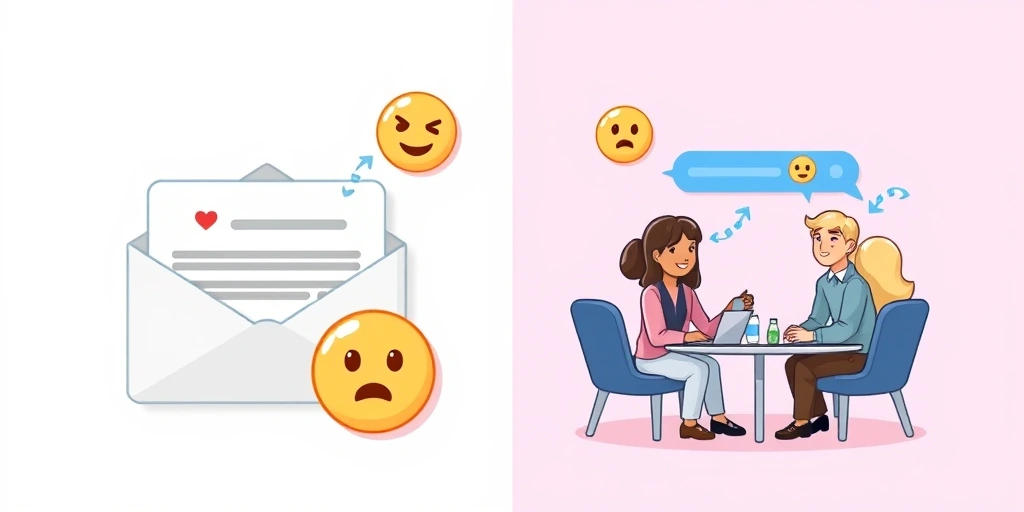
If you decide an emoji is appropriate, choose wisely. Opt for universally understood emojis like the thumbs up emoji, or the smiling face with smiling eyes emoji. Avoid overly expressive, ambiguous, or highly stylized emojis that might confuse or distract. Also, cultural context is important; what's acceptable in one culture might be misunderstood in another. Always consider your audience.
Conclusion
Emojis, when used judiciously, can be powerful tools for enhancing professional communication, adding warmth, and clarifying intent. They are not a replacement for clear, concise language but rather a complement. The key lies in understanding your audience, the context of your message, and the specific relationship you have with the recipient. By mastering this art, you can effectively leverage emojis to build stronger connections and communicate more efficiently in the modern workplace.
📒 Related Blogs
More...The Friendly Nudge: How Emojis Keep Professional Messaging Human
Emoji's Emotional Shortcut: Understanding Instant Judgments in Digital Chat
The Secret Life of Emojis: How Our Digital Heartbeats Mirror a Changing World
How Emojis Bridge Generational Gaps in Our Digital Conversations
Navigating Emotional Landmines: How Emojis Soften Awkward Digital Moments
The Global Language of Emojis: Decoding Cultural Meanings and Interpretations