How Emojis Bridge Generational Gaps in Our Digital Conversations

Feb 05,2026
Think about the last text you sent. Chances are, it contained an emoji. These little pictures have become the punctuation of our digital age, but their story is more fluid than you might think. They're not static symbols with dictionary definitions. Instead, emojis are living parts of language, constantly adapting to the cultural contexts and generational nuances of the people using them.
What a thumbs-up means in a work email from a Boomer is often worlds apart from what it means in a Gen Z's Instagram DM. This isn't a bug in communication; it's a feature. It shows how emojis flex and bend to fit the social rules of different online spaces and age groups.
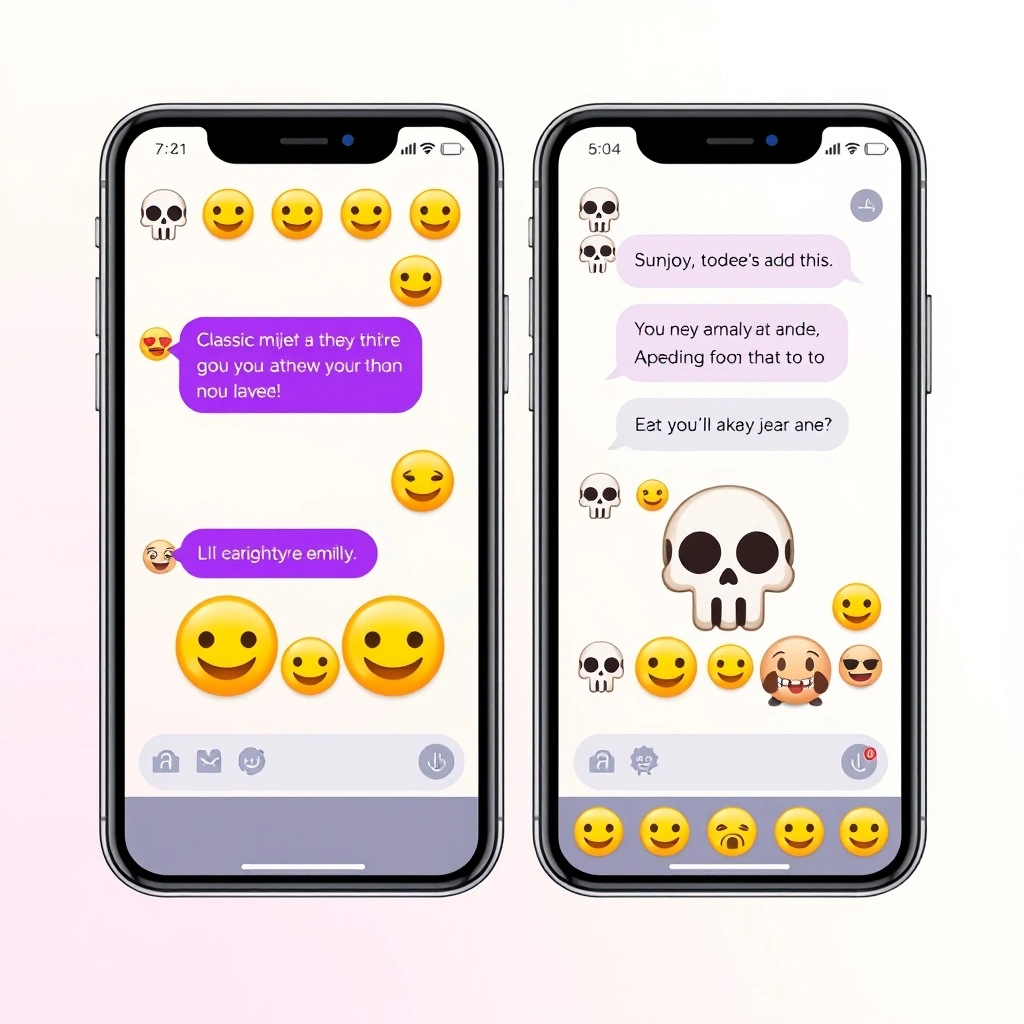
The Family Group Chat: A Cross-Generational Lab
One of the most fascinating places to watch emoji evolution is the family group chat. It's a microcosm of the digital language divide—and its bridges. A parent might use a string of classic smileys 😊❤️👍 to express pride, while their teenager responds with a single 😭 to convey something is amazingly funny or relatable.
At first, this can cause confusion. "Why are you crying? Is something wrong?" But over time, a fascinating translation occurs. The parent learns that 😭 can mean "I'm laughing so hard," and the teen might start using the more literal 😂 or 🤣 to be clearer. They meet in the middle, creating a hybrid family dialect. This shared space forces an adaptation, a gentle negotiation of meaning that strengthens connection rather than breaking it.
Platforms Shape the Conversation
The platform itself is a huge factor in this cultural adaptation. The emoji language on Twitter (or X), with its fast-paced, public debates, is different from the intimate, visual storytelling on Instagram or Snapchat. A 💀 emoji on Twitter might signal that a political take is brutally insightful, while on TikTok, it's the universal reaction to a hilarious video.
These platforms cultivate their own communities, and with those communities come unique emoji norms. To use an emoji "correctly" is, in a way, to signal that you belong to that particular digital tribe. You can read more about how these online communities shape our expression in our article on the secret language of emojis.
When Emojis Take on New Life
Sometimes, an emoji's adaptation is so dramatic it completely subverts its original design. The classic example is the 😬 Grimacing Face. Originally meant to represent nervousness or awkwardness, it was adopted by younger generations as a versatile marker of playful tension—a "just kidding, but not really" or a reaction to something cringey but funny. Its meaning is now entirely context-dependent.
Similarly, the 🥺 Pleading Face has transcended its pleading origins to become a tool for expressing cuteness, vulnerability, or a deep, sentimental want. This repurposing isn't random; it fills a gap in digital expression that words alone couldn't quite capture.
This evolution isn't top-down. It's organic, driven by millions of daily interactions. It's a collective agreement that happens in real-time, one text, tweet, or comment at a time. For a deeper dive into this process, explore our piece on how emojis evolve and shape our digital generations.
A Living Language, Not a Fixed Code
This constant state of flux can be frustrating if you view emojis as a simple code to be cracked. But if you see them as a living, breathing part of how we talk, it becomes beautiful. The fact that a grandparent and their grandchild can use the same set of symbols, imbue them with slightly different emotional weights, and still understand each other's heart is a modern miracle of communication.
It reminds us that language has always been this way. Words change meaning, slang rises and falls, and expressions move between groups. Emojis are just doing it at internet speed, making the process visible to all of us. They are less about the picture itself and more about the shared understanding and feeling we build around it.
So, the next time you hesitate over which emoji to send, wondering if it will be understood, remember: you're participating in this ongoing, cross-generational conversation. You're not just using a language; you're helping to shape it, one 😂, 🥰, or 💀 at a time. The journey of how these symbols connect us is endlessly fascinating, and you can find more thoughts on this in our broader collection on emoji culture and trends.
In the end, emojis are the most human part of our digital exchanges. They carry our tone, our vulnerability, our humor, and our age—all while adapting endlessly to make sure the connection gets through.
📒 Related Blogs
More...The Quiet Power of Emojis: How They Build Confidence in Private Chats
Why Emoji Combinations Are the Ultimate Conversation Hack in Casual Chats
The Unspoken Language: How Emojis Became Our Go-To Quick Reply
The Unspoken Rescue: How Emojis Save Us From Socially Awkward Moments
The Emoji Enigma: Why Those Cute Icons Keep Causing Confusion in Your Chats