How Emojis Evolve: The Secret Language Shaping Our Digital Generations

Feb 04,2026
Think about the last text you sent. Chances are, it contained an emoji. These tiny digital pictograms have become the punctuation of our emotional lives, the shorthand for our complex feelings. But they're far from static. Like any living language, emojis adapt, shift, and take on new meanings as they pass from one generation to the next. What your teenager means with a certain symbol might be completely different from your own interpretation.
This constant evolution is what makes emoji culture so fascinating. It's a collective, unconscious project, where meaning is negotiated in group chats, comment sections, and viral memes. There's no official dictionary decreeing these changes; they happen organically, driven by shared experience and the need to express nuances that words sometimes can't capture.
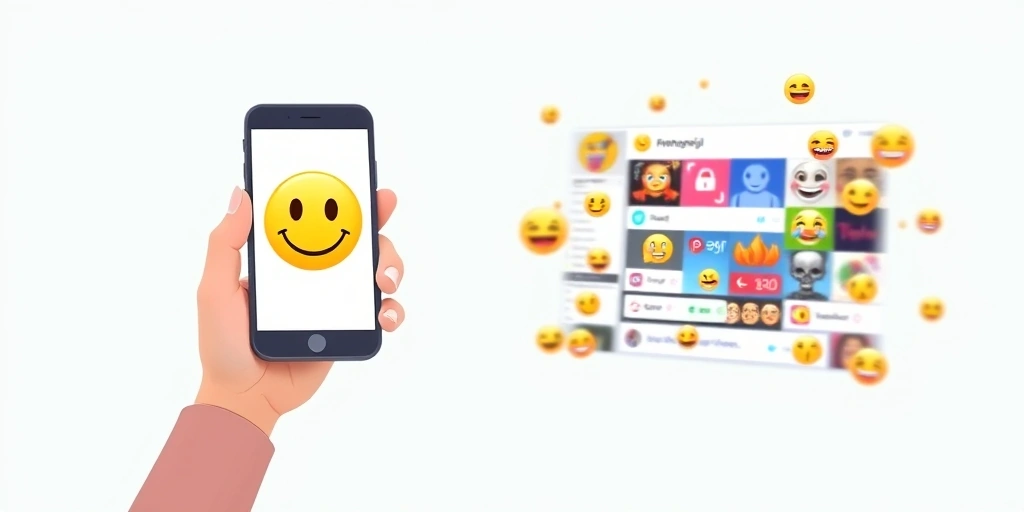
Take the simple skull emoji 💀. For older generations, its meaning was literal and macabre. Today, it's been utterly transformed by Gen Z and younger millennials into a symbol for laughing extremely hard—"I'm dead." This isn't a random shift. It reflects a digital-native sensibility that embraces irony and hyperbole. The evolution from a symbol of mortality to one of peak amusement shows how a generation can completely repurpose a tool to fit its communicative style.
Similarly, the crying-laughing face 😂 has seen its cultural stock rise and fall. Once the undisputed king of expressing amusement online, its overuse by millennials and older users has led some younger people to view it as cringe or outdated, opting instead for the skull, the tears of joy emoji 😭, or the sobbing face 😢 to convey similar tiers of laughter. The emoji itself hasn't changed, but its social weight and perceived authenticity have.
The Context is Everything
This generational adaptation isn't just about swapping one symbol for another. It's deeply tied to context. Platforms dictate usage. The quick, reaction-based communication on Twitter (now X) or TikTok fosters different emoji norms than the more deliberate messaging on email or Facebook. A flame emoji 🔥 in a tweet might mean something is excellent or trending. In a text from a friend about their new haircut, it simply means it looks great.
These platform-specific micro-cultures then bleed into wider usage, often carried by the youngest, most digitally-engaged users. They are the early adopters and the meaning-makers. For a deeper dive into how these digital trends reshape our favorite symbols, check out our article on the emoji chameleon.
More Than Just Faces: A Generational Fingerprint
This evolution creates what you might call a "generational digital fingerprint." The emojis you use, and how you use them, can subtly signal your age group or your fluency in certain online spaces. A millennial might use the heart eyes emoji 😍 sincerely, while a Gen Z user might employ it more ironically or layer it with other symbols to change its tone. Boomers and Gen X might stick closer to the original, dictionary definitions of emojis, using the thumbs up 👍 as a straightforward sign of approval, unaware that to some, it can now read as passive-aggressive or dismissive.
This isn't about one generation being right and another wrong. It's evidence of a vibrant, user-driven linguistic ecosystem. The clashing interpretations can lead to funny misunderstandings, but they also force us to be more attentive communicators. It reminds us that meaning is co-created, not delivered from on high. To understand how these patterns reveal our online identities, explore our thoughts on emoji fingerprints.
So, what's the takeaway? Emojis are not a fad. They are a fundamental part of how we connect now. Their ability to morph and adapt across generations is their greatest strength, not a flaw. It proves they are responsive to human need. They fill the gaps in our text-heavy digital lives with color, emotion, and nuance. The next time you send an emoji, remember—you're not just picking a cute picture. You're participating in a vast, ongoing, and deeply human conversation about how we feel and how we want to be understood. And that conversation keeps changing, one generation, one group chat, at a time.
This living language of symbols is a central part of modern emoji culture and trends, constantly surprising us with its depth and flexibility.
📒 Related Blogs
More...The Emoji Revolution: How Pictograms Are Reshaping Our Daily Communication
The Unspoken Wait: How Emojis Whisper Our Anticipation
Emoji Evolution: A Fascinating History of Digital Feelings & Communication
The Emoji Takeover: How Tiny Icons Replaced Our Small Talk
The Unsung Heroes of Texting: How Emojis Keep Our Digital Chats Flowing