The Quiet Comfort of Emojis in Everyday Chats

Jan 21,2026
Think about your most frequent text thread. It's probably not with a colleague or an acquaintance you're trying to impress. It's with a partner, a sibling, a close friend—someone where the conversation is a steady, quiet stream. The topics are the stuff of life: what's for dinner, a funny thing the dog did, a reminder to pick up milk. The sentences are often short, sometimes just fragments. And in the spaces between those fragments, you'll often find an emoji.
It's not a grand gesture. It's not the dramatic, story-telling emoji sequence you might craft for a social media post. It's simpler. A thumbs-up to acknowledge a plan. A heart react to a photo of their lunch. A crying-laughing face after a shared inside joke. These small icons slip into the flow so naturally that we often don't even register choosing them. They just feel like the right thing to do.
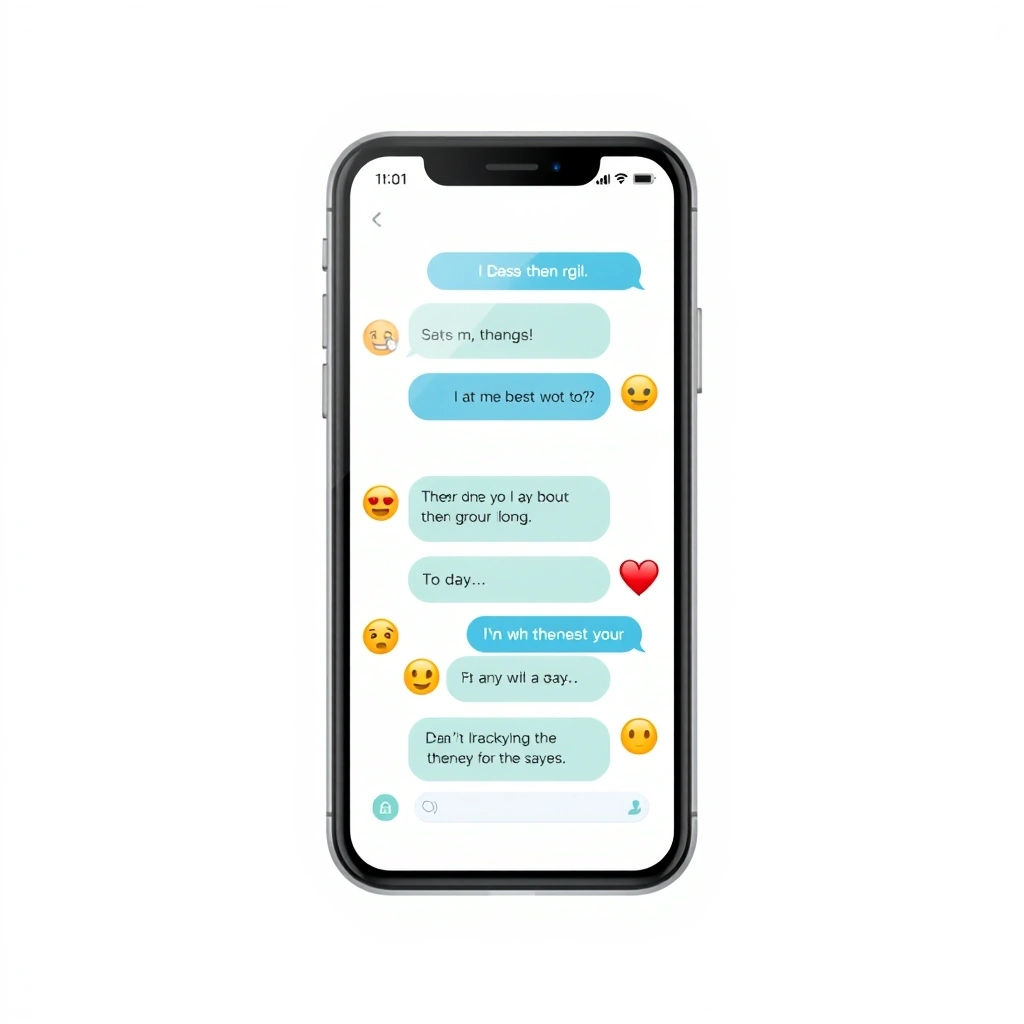
This is where emojis truly live. Not in the performative space, but in the connective tissue of our daily digital lives. They fill the pauses that, in person, would be filled by a nod, a smile, or the tone of our voice. When you text "Running late!" followed by a grimacing face, you're not just stating a fact; you're conveying an apology, a shared frustration with traffic, a bit of your mood. The emoji does the emotional lifting that plain text can't.
It's a form of efficiency, but a warm one. We could type out "I understand and that's totally fine, no worries at all!" Or, we can send a single 👍. The meaning is transferred, the social contract upheld, and the conversation can move on without friction. This silent shorthand is the bedrock of how emojis casually shape our daily chats, turning potential misunderstandings into moments of mutual understanding.

There's a quiet comfort in this consistency. The same sleepy face your friend sends every morning, the specific food emoji your partner uses when they're craving takeout—these become tiny, personal rituals. They're less about the specific icon and more about the familiar presence of it. It's a way of saying, "I'm here, in our usual way, in our usual channel." It maintains the thread of connection even when there's nothing new or urgent to say. It's a digital nudge that says the line is still open.
This use of emojis feels unremarkable because it's so deeply integrated. We don't marvel at using a period to end a sentence; it's just part of writing. Similarly, dropping a red heart on a partner's goodnight text isn't a conscious act of digital artistry. It's become part of the grammar of care in that relationship. It's punctuation with feeling.
Of course, this casual language has its own nuances and can evolve between different people. The winking face that means genuine flirtation with one person might be pure sarcasm with another. But that's the point—it's a familiar chat. The meanings are co-created and understood within that specific, small context. The ambiguity that might cause confusion with a stranger is precisely what makes it feel intimate and personal here.
So much of our digital communication is analyzed for its broad social impact, but sometimes the most profound effect is the simplest: keeping the gentle hum of connection alive. In the long, sprawling text threads that document our lives, emojis are the light annotations in the margins. They highlight a moment of laughter, soften a piece of bad news, or simply mark our presence. They don't shout. They whisper, filling the everyday pauses and making the silent spaces between our typed words feel a little less empty, and a little more like home.
For more thoughts on the subtle role of these icons in our routines, you might enjoy reading about the quiet comfort of emoji habits. You can also find other reflections on emoji daily life in our blog.
📒 Related Blogs
More...Emoji Etiquette: Navigating the Unwritten Rules of Digital Expression
The Unspoken Rhythm: How Emojis Guide the Flow of Our Online Chats
Unlocking the Secret Language: How Emoji Pairs Transform Your Digital Conversations
Beyond Smileys: Uncovering Unique & Lesser-Known Emoji Categories
Unearthing Hidden Gems: Discovering Niche and Underused Emojis for Unique Expression
When Emojis Backfire: The Unseen Complication of Digital Tone