When Emojis Backfire: The Unseen Complication of Digital Tone

Jan 22,2026
You know the feeling. You type out a message, read it back, and it feels a little… sharp. A little too direct. So, you do what we all do. You reach for an emoji. A smiling face, a laughing tear, a simple heart. It’s a digital peace offering, a tiny cushion for your words. You hit send, confident you’ve smoothed things over.
But then, the reply comes. It’s short. There’s a pause you can feel. Or worse, a question mark. “What did you mean by that?” Suddenly, the very symbol you used to add warmth has cast a confusing shadow. The tone you tried to simplify has become infinitely more complicated.
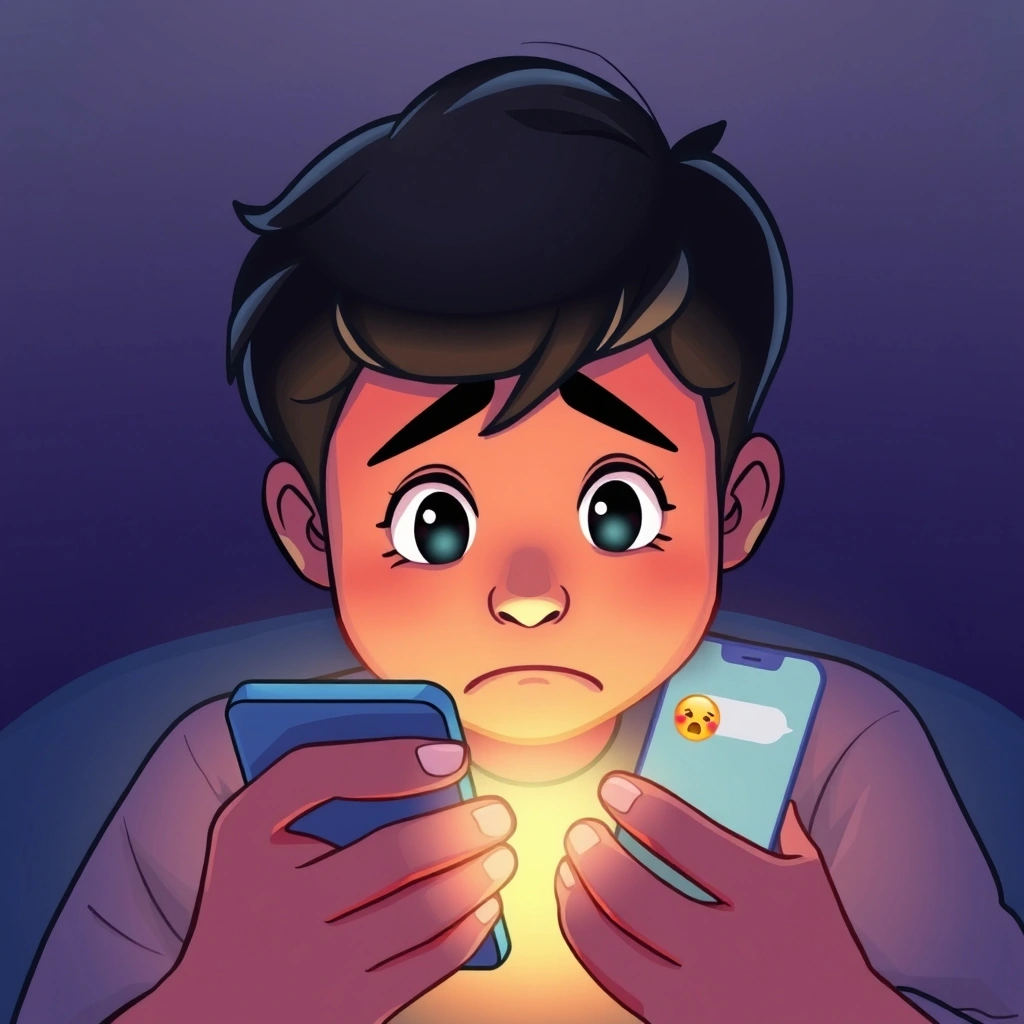
This is the strange paradox of our emoji-filled world. We use these little pictures as shorthand for emotion, hoping to bridge the gap left by the absence of voice and body language. Yet, so often, they become the source of the gap itself. What we intend as a gentle nudge is read as sarcasm. What we mean as playful teasing is received as genuine criticism. The emoji, meant to be a universal translator of feeling, sometimes feels like it’s speaking a dialect only we understand.
Think about the classic smiling face with smiling eyes. 😊. For many, it’s the epitome of friendly, genuine warmth. But for others, it can read as passive-aggressive, especially in certain contexts. A “Thanks 😊” after a minor disagreement might feel like a polite dismissal rather than a sincere appreciation. The emoji doesn’t clarify the “thanks”; it makes you question it.
The Context is Everything (And We Often Forget It)
The complication rarely lives in the emoji itself, but in the space between the sender, the receiver, and their shared (or not-so-shared) context. Your relationship history, your current mood, the platform you’re on, even the time of day—all of these are invisible ingredients in the tone soup.
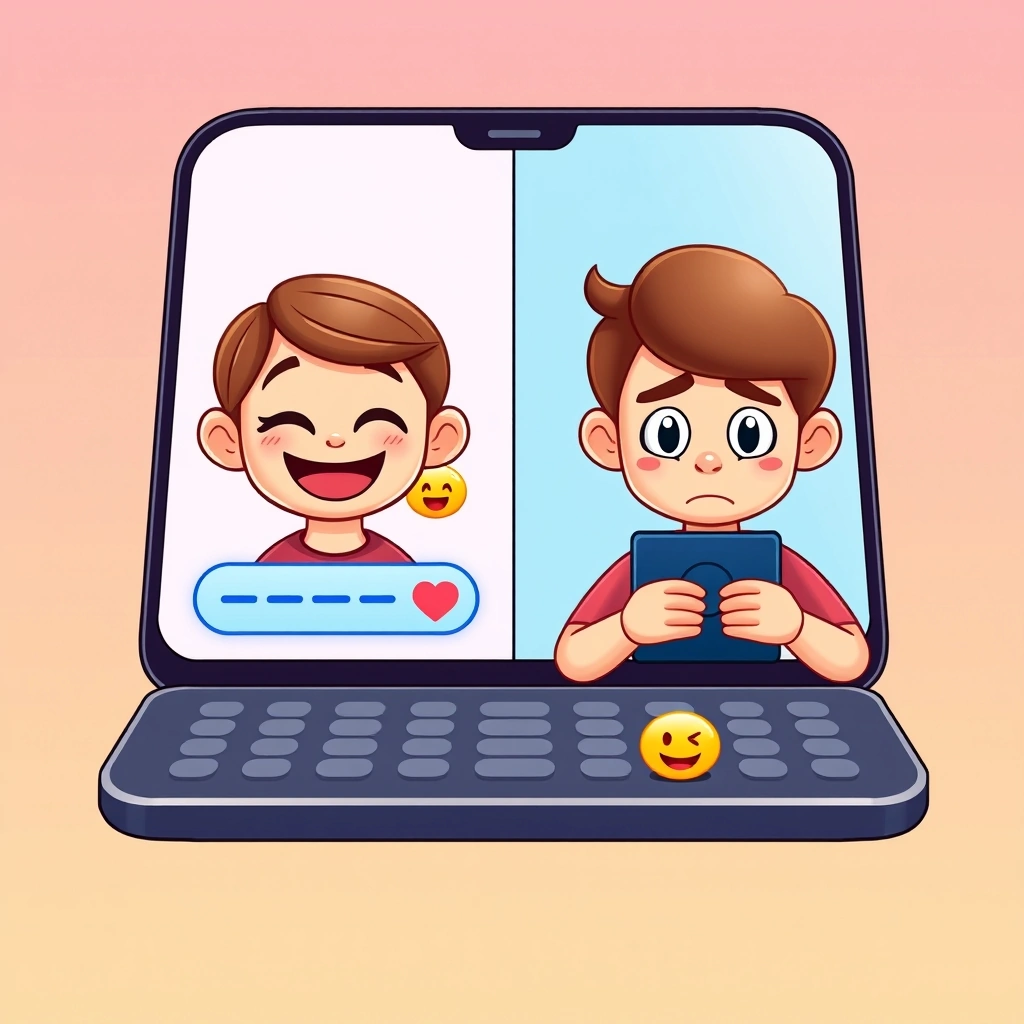
You might send a winking face 😉 to a close friend as a silly, conspiratorial gesture. Send that same winking face to a new colleague in a work chat about a missed deadline, and you’ve just introduced a layer of unprofessional ambiguity that can derail the entire conversation. The emoji didn’t change; the world around it did.
This is especially true in group chats, where you’re broadcasting a single tone to a dozen different personal interpreters. Your “joking” eye-roll emoji might be hilarious to three people and deeply offensive to a fourth. The emoji complicates the group dynamic, creating silent misunderstandings that are hard to untangle.
When Clarity Creates Confusion
Sometimes, the problem is that we use emojis to *over-clarify*. We’re so worried about being misunderstood that we pile on the symbols, and the message becomes a chaotic emotional collage. A sentence followed by a laughing-crying face, a heart, a fire emoji, and a star might seem enthusiastic to you, but to the reader, it’s just noise. The intended tone gets lost in the visual static.
Other times, we use an emoji as a band-aid for a message that needed a complete rewrite. Instead of finding clearer words, we tack on a smiley and hope for the best. This rarely works. The underlying ambiguity of the text remains, and now it’s just wearing a confusing mask. The emoji doesn’t resolve the tension; it highlights it.
It leads to what I call “emoji anxiety”—that second-guessing moment before you hit send. “Is the thumbs-up too cold? Is the red heart too intense? Will the skull mean I’m dead laughing or that their idea is terrible?” We’re doing emotional calculus with a limited set of symbols, and it’s exhausting. For more on this unseen cost, this piece on how emojis can muddle your message digs deeper.
So, where does this leave us? Do we abandon emojis altogether? Of course not. They are a fundamental, joyful part of how we connect now. The point isn’t to stop using them, but to become more aware of their power—and their pitfalls.
It’s about recognizing that these tiny, colorful icons are not simple tone tags. They are active participants in our conversations, carrying their own baggage and open to wide interpretation. They can complicate as easily as they can clarify. The next time you reach for one, maybe pause for a half-second. Not out of fear, but out of consideration for the rich, messy, and wonderfully human conversation you’re trying to have. Sometimes, the clearest tone comes from trusting your words, and knowing that a little ambiguity is part of being understood by another person, not a machine. For more reflections on the tricky side of our digital language, you can always explore other thoughts in our emoji mistakes & misuse category.
After all, the most beautiful and complicated thing in our messages was never the emoji. It’s the person on the other side.
📒 Related Blogs
More...Decoding the Digital Heartbeat: How Emojis Capture Our Ever-Changing Cultural Moods
Beyond Text: How Emojis Transform Online Communication and Express Emotion
When Words Fail: How Emojis Hold Our Excitement in Awkward Moments
The Secret Weapon: How Emojis Balance Directness & Warmth in Work Task Coordination
The Fascinating Evolution of Emojis: From ASCII Art to Global Communication
The Fascinating Evolution of Emojis: From Kaomoji to Global Unicode Standards