The Fascinating Evolution of Emojis: From Kaomoji to Global Unicode Standards

Dec 10,2025
In today's digital age, it's hard to imagine a conversation without emojis. These tiny, expressive icons have become an integral part of how we communicate, adding nuance, emotion, and sometimes, even humor to our messages. But where did they come from, and how did they evolve into the ubiquitous symbols we know and love today? Let's take a fascinating journey through the history of digital expression, from their humble beginnings as text-based creations to their global standardization.
The Early Days: Emoticons and Kaomoji Pave the Way
Before the colorful world of modern emojis, there were emoticons and kaomoji. Emoticons, a portmanteau of 'emotion' and 'icon,' are typographical representations of facial expressions, like the classic :) for a smile or :( for sadness. They emerged in the early days of the internet, with Scott Fahlman often credited for suggesting their use in 1982 to distinguish humorous from serious messages online. Around the same time, in Japan, a different form of text-based expression was flourishing: kaomoji. Unlike Western emoticons, kaomoji (顔文字, literally 'face characters') could be read upright and often used a wider array of characters to convey complex emotions and actions, such as (^_^) for joy or (O_O) for surprise. These creative text arrangements were the true precursors to the visual language that would soon sweep the globe. They demonstrated an innate human desire to inject personality and feeling into plain text, laying the groundwork for more advanced graphic forms. You can find many of these symbols and copy emoji to use in your daily messages even now!
The Birth of Emojis: A Japanese Innovation
The first true emojis, meaning 'picture' (e) + 'character' (moji), were created in Japan in the late 1990s. Shigetaka Kurita, then an employee at NTT DoCoMo, is widely credited with designing the first set of 176 emojis for their 'i-mode' mobile internet platform in 1999. His goal was to make communication on pagers and early mobile phones more engaging and efficient, particularly for conveying weather forecasts and emotions. These original emojis were simple, pixelated black-and-white images, often representing common objects, feelings, and places. They were an instant hit in Japan, helping users express themselves more richly within the confines of short messages. This groundbreaking development marked a significant shift from text-only communication to a more visually enhanced experience, forever changing how we interact digitally. 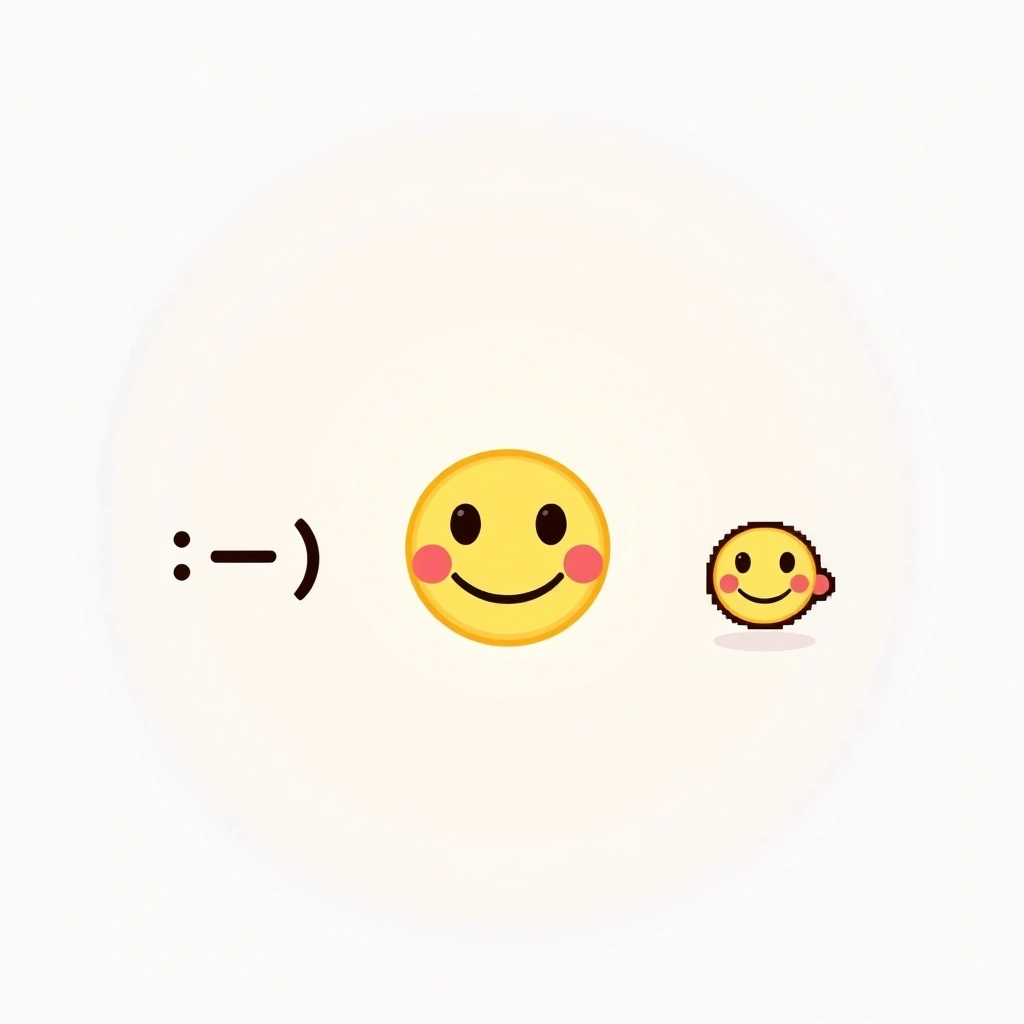
Emojis Go Global: The Power of Unicode
For years, emojis remained largely a Japanese phenomenon, inaccessible to users outside the country due to different encoding standards. This changed dramatically with the intervention of the Unicode Consortium. Unicode is a universal character encoding standard that provides a consistent way of representing text and symbols across all computers and digital devices, regardless of platform or software. In 2010, the Unicode Standard began incorporating emojis, starting with a significant number of characters from Japanese carriers. This standardization was a monumental step, as it meant that an emoji sent from an iPhone could be seen on an Android device, and vice-versa, without appearing as a broken box or question mark. The integration into Unicode made emojis truly global. 
Modern Emoji Landscape: Diversity and Dynamic Expression
Since their Unicode adoption, emojis have exploded in popularity and diversity. The Unicode Consortium continually adds new emojis, reflecting cultural trends, new technologies, and a growing demand for inclusive representation. We've seen the introduction of various skin tones for human emojis, gender-neutral options, and a vast array of occupations, foods, animals, and flags. Each new release sparks excitement and conversation, as users eagerly anticipate the latest ways to express themselves. The 😅 emoji, for example, is perfect for those awkward moments, while the 👍 emoji is a universally recognized sign of approval. This constant evolution ensures that emojis remain relevant and continue to enrich our digital conversations, making them more nuanced and expressive than ever before. If you need to copy the cold sweat emoji or any other, our site makes it easy to find.
The Future of Digital Communication
From simple text-based emoticons to today's diverse and ever-expanding emoji collection, these tiny symbols have profoundly transformed digital communication. They've transcended language barriers, allowing for instant emotional understanding across cultures. As technology advances, we can expect emojis to become even more dynamic, personalized, and integrated into our daily lives, continuing their remarkable journey as a universal language of the digital age. They are not just frivolous additions but essential tools for conveying the richness of human emotion in a world increasingly reliant on screens.
📒 Related Blogs
More...The Secret Code in Your Group Chat: How Emoji Pairs Change Everything
The Secret Weapon for Stressful Workdays: How Emojis Soften Project Updates
The Secret Language: How Emojis Make Our Digital Chats Flow Effortlessly
The Silent Storytellers: How Emoji Sequences Shape Our Digital Mood
The Unseen Language: How Emojis Dramatically Influence Short-Form Social Content
The Psychology of Emojis: Why We Can't Live Without Digital Icons