More Than Just Faces: How Emojis Reveal Our Generational Digital Fingerprint

Jan 31,2026
Think about the last text you sent. Chances are, it contained an emoji. Maybe it was a simple thumbs-up 👍 to confirm plans, or a crying-laughing face 😂 to show you found something hilarious. These tiny digital icons have become the punctuation of our online lives. But have you ever stopped to consider that the emoji you instinctively choose might silently announce your generational cohort to the world?
It's not just about which emojis are "cool" or "cringe." It's about how different generations have adopted these symbols to navigate the unique challenges and nuances of digital communication. The emoji keyboard is a shared tool, but we use it in wildly different ways.
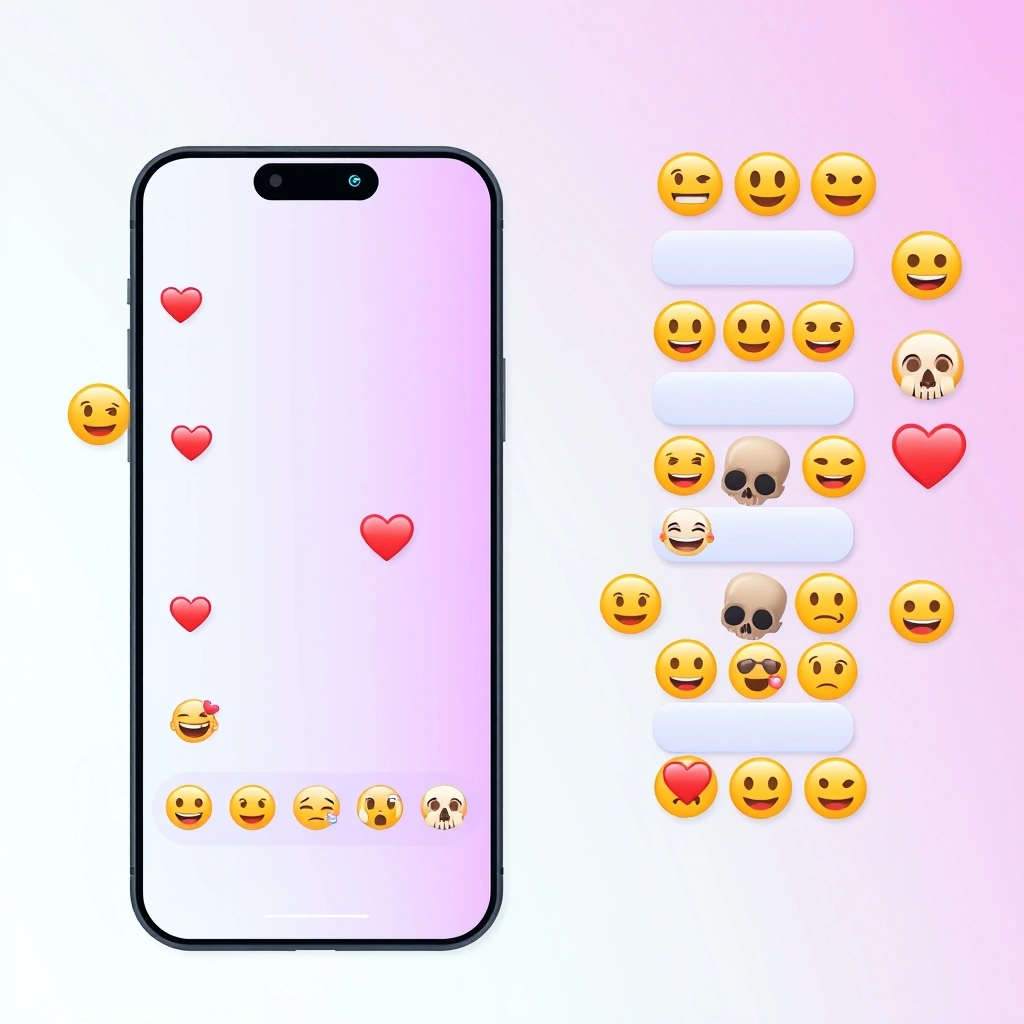
For many Millennials, who came of age as the internet became social, emojis were a revolutionary tool for adding emotional clarity to plain text. We remember the days of painfully ambiguous emails and AIM chats. The introduction of the first widely adopted emoji sets felt like a gift—a way to finally convey tone. The classic smiley 🙂, the heart ❤️, and the crying-laughing face 😂 became staples. Our usage often leans toward clarification and earnest emotional expression. A Millennial might use a string of heart emojis to genuinely express affection or a thoughtful 🤔 to indicate they're considering a point.
Contrast that with Gen Z, the first true digital natives. They inherited a world already saturated with emojis, memes, and ironic internet culture. For them, emojis aren't just for clarifying tone; they're a complex, often ironic, shorthand for entire concepts and reactions. The skull 💀 doesn't signify death; it means something is hilariously funny. The pleading face 🥺 can be genuine or deployed with heavy sarcasm. The fire 🔥 signifies excellence, but can also be used ironically. Their emoji language is fluid, context-dependent, and constantly evolving, much like the viral moments they help propel.
The Silent Signals in Community Spaces
This generational divide becomes especially pronounced in specific online communities. In a gaming Discord server, you might see older players using 👍 or 😄 for straightforward reactions. Meanwhile, younger players might communicate complex in-jokes or reactions using a single, highly specific emoji from a custom server pack. In a professional Slack channel, a Gen X manager might use a clapping hands emoji 👏 to praise a team, while a Gen Z intern might react with a mind-blown emoji 🤯 to express genuine surprise at a result.
These aren't mistakes or miscommunications. They're different dialects of the same visual language. Using an "outdated" or "misinterpreted" emoji can subtly mark someone as an outsider in a community that has its own nuanced norms. It's a digital version of using slang from a decade ago—it might be understood, but it signals you're not fully fluent in the current vernacular.
Beyond Age: The Cultural Layer
While generational trends are strong, it's crucial to remember that emoji use is also shaped by culture, subculture, and personal identity. A person's emoji fingerprint is unique. However, observing broad generational patterns helps us understand the larger cultural trends shaping how we connect. The shift from the earnest 😂 to the ironic 💀 tells a story about changing attitudes toward humor and authenticity online.
So, the next time you're scrolling through a comment section or a group chat, pay attention to the emojis. That string of red hearts ❤️🔥❤️ might be a Millennial's heartfelt support. The solitary skull 💀 might be a Gen Z's peak comedy review. These small choices are more than decorative. They are the quiet, colorful signals of our digital generations, painting a vivid picture of who we are, how we think, and how we've learned to feel together in a world of text.
📒 Related Blogs
More...Express Yourself: How Emojis Boost Mental Wellness and Connection
The Unspoken Rhythm: How Emojis Guide the Flow of Our Online Chats
The Psychology of Emojis: What Your Favorite Icons Reveal About You
Emojis in Marketing: Boosting Brand Engagement with Digital Icons