The Emoji Enigma: Why Those Cute Icons Keep Causing Confusion in Your Chats

Dec 28,2025
Ah, emojis! Where would we be without them? In a world of fleeting texts and rapid-fire instant messages, these tiny icons have become our digital body language, adding a much-needed layer of emotion, humor, and even sarcasm to otherwise flat text. They bridge the gap, make us feel connected, and honestly, make chatting a whole lot more fun. From the classic smiley face to the latest quirky additions, emojis have woven themselves into the fabric of our daily digital lives.
But let's be honest for a moment. Haven't you ever stared at an emoji someone sent you, scratching your head and wondering, "What exactly do they mean by that?" Or perhaps you've sent an emoji with one intention, only to find the recipient completely misinterpreted your message. It happens more often than we'd like to admit. Despite their supposed universality, emojis are surprisingly prone to mixed interpretations, especially in our casual conversations where context is often minimal.
The Universal Language That Isn't Quite Universal
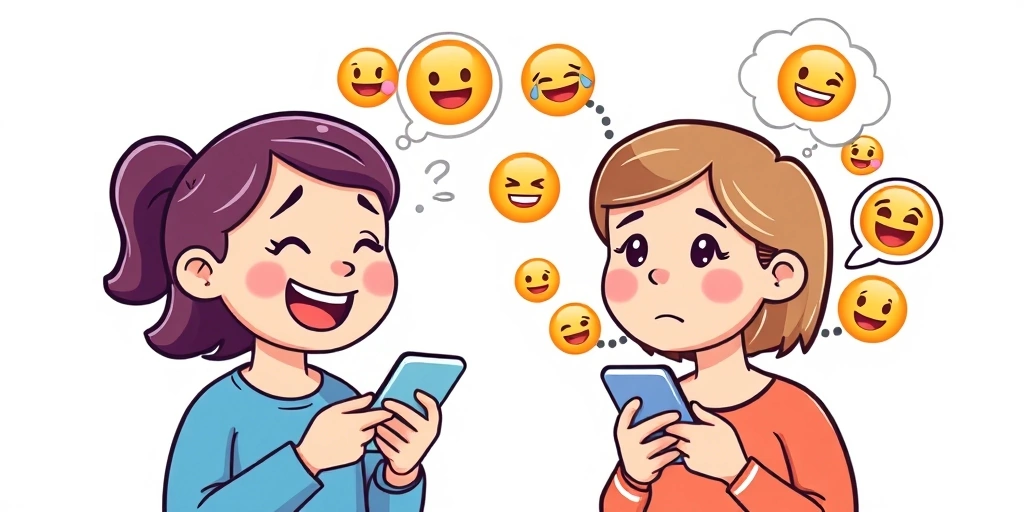
One of the biggest paradoxes of emojis is that while they aim to be a universal language of emotion, their meanings are anything but fixed. What one person sees as a playful wink, another might perceive as flirtatious, or even condescending. It's like everyone has their own secret emoji dictionary, and sometimes, those dictionaries just don't match up. This isn't just about cultural differences, though those play a part too; it's often about personal context, relationship dynamics, and even the platform you're using. The way an emoji renders on an iPhone can look subtly different on an Android device, sometimes altering its perceived emotion. It's fascinating how emojis can stir up mixed reactions online just by their slightly varied appearance or a deeply personal interpretation.
The Innocent Thumbs-Up and Other Culprits
Take the humble thumbs-up emoji 👍. For some, it's a simple sign of agreement or acknowledgment. "Got it!" or "Sounds good!" But for others, particularly in certain professional or generational contexts, it can come across as passive-aggressive, dismissive, or even rude. It's a quick way to shut down a conversation rather than engage. Similarly, the skull emoji 💀, once a clear sign of death or danger, has been widely adopted by younger generations to mean "dying of laughter" or "so funny I'm dead." If you're not in the loop, receiving a skull emoji after a joke might send a shiver down your spine instead of a chuckle!
Then there's the 'crying face' emoji. Which one? Is it the one with tears streaming down, signifying genuine sadness 😭, or the one with tears of joy that signify laughing so hard you're crying 😂? The subtle differences can drastically change the emotional weight of a message. It's moments like these that make you realize just how much heavy lifting we expect these little icons to do, and how easily they can stumble.
When Tone Gets Tangled
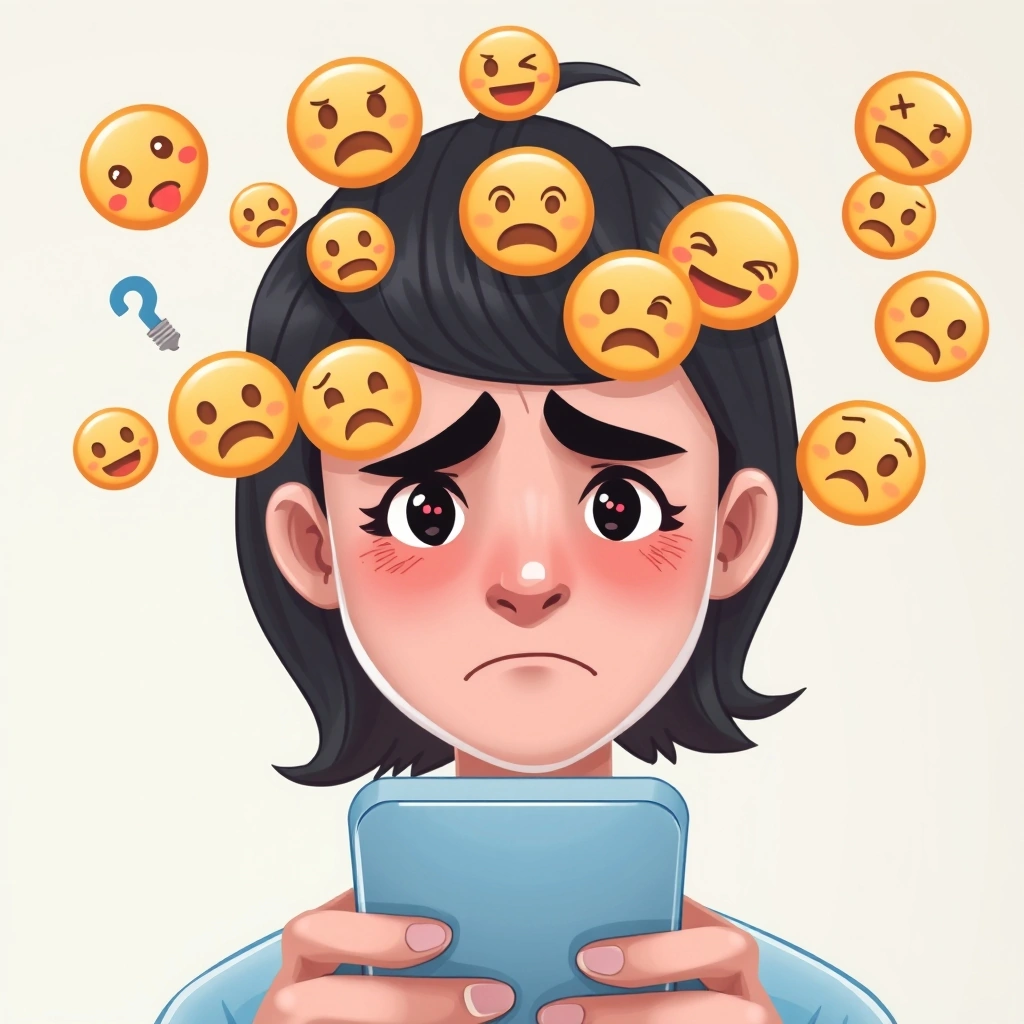
Emojis are often used to convey tone, providing the emotional cues that are missing from plain text. A simple "Okay" can become warm with an accompanying 😊, or dismissive with a flat period. But what happens when the emoji you choose inadvertently twists the tone of your message in an unexpected direction? What you intended as lighthearted might land as sarcastic, or what was meant to be serious might come across as flippant.
This tonal entanglement is a common source of confusion. A seemingly innocuous comment followed by a seemingly innocent emoji can suddenly take on a whole new meaning. Imagine saying "Great job on that project" with a facepalm emoji 🤦♀️. Clearly, you're not being sincere! While that's an extreme example, subtler misalignments can cause minor friction or awkwardness. It’s wild how emojis can twist the tone of our casual conversations, often without us even realizing it.
Reading Between the (Non-Existent) Lines
Part of the problem lies in how we project our own feelings and expectations onto the messages we receive. If you're already feeling a bit sensitive or stressed, a neutral emoji might be read as cold or indifferent. Conversely, if you're feeling upbeat, you might overlook a slightly negative nuance in an emoji. The absence of an emoji can also be a source of overthinking. "Why didn't they add a smiley? Are they mad?" Our brains are wired to find meaning, and in the absence of clear verbal cues, emojis become fertile ground for speculation.
Navigating the Emoji Minefield
So, how do we navigate this delightfully confusing landscape? While there's no foolproof guide, a few strategies can help mitigate misinterpretations:
- Know Your Audience: Your emoji usage should vary depending on who you're talking to. A close friend might understand your quirky inside jokes conveyed via emojis, but a new acquaintance or a family member might need clearer communication.
- Context is King (or Queen): Provide enough textual context around your emojis. If you're making a joke, a little clarifying text can go a long way to ensure your emoji lands as intended.
- When in Doubt, Leave it Out: If you're unsure how an emoji will be perceived, it's often safer to stick to plain language or opt for a universally understood classic like :) or a simple exclamation mark.
- Ask for Clarification: If you receive an emoji that genuinely puzzles you, don't be afraid to ask! A quick "What did you mean by that?" can clear up a lot of potential misunderstandings.
It's all part of understanding and avoiding common emoji mistakes and misuses.
Embracing the Beautifully Messy Reality
Despite the occasional hiccup, emojis are an invaluable part of our digital vocabulary. They add a richness and immediacy that text alone often lacks. The fact that they can be misinterpreted isn't a flaw in the emojis themselves, but rather a reflection of the beautiful, messy complexity of human communication. Even in face-to-face interactions, tone, body language, and intent can be misread. Emojis simply bring that same human element into our screens.
Ultimately, the occasional mixed interpretation is a small price to pay for the joy, personality, and emotional depth that emojis bring to our daily chats. They keep us on our toes, encourage us to think a little more about how we express ourselves, and sometimes, even lead to funny anecdotes about that one time a 'peach' emoji caused an uproar. So, keep sending those emojis, but maybe, just maybe, give a little extra thought to the context!
📒 Related Blogs
More...The Fascinating Evolution of Emojis: From Simple Emoticons to Global Icons
The Secret Language of Emojis: How Online Communities Shape Our Digital Expression
The Slow Fade: How Emojis Quietly Show Our Disappointment
The Mind's Shortcut: How Emojis Speed Up Our Digital Conversations