The Global Language of Emojis: Decoding Cultural Meanings and Interpretations

Dec 22,2025
Emojis have truly become the universal language of the digital age. From quick texts to professional emails, these tiny icons add color, emotion, and nuance to our conversations. But have you ever stopped to consider that what one emoji means to you might be interpreted entirely differently across the globe? It's a fascinating aspect of our interconnected world, and understanding these cultural interpretations is key to truly mastering the art of digital communication. If you're looking to copy emoji effortlessly or explore a vast emoji collection, sites like Emojilar can be incredibly helpful!
The Global Tapestry of Emoji Meanings
Just like spoken languages, emojis carry cultural baggage. A simple gesture or facial expression can have vastly different implications depending on where you are from. This phenomenon highlights how deeply communication is tied to cultural context, even in the seemingly straightforward realm of pixels.
When a Hand Gesture Isn't Just a Hand Gesture
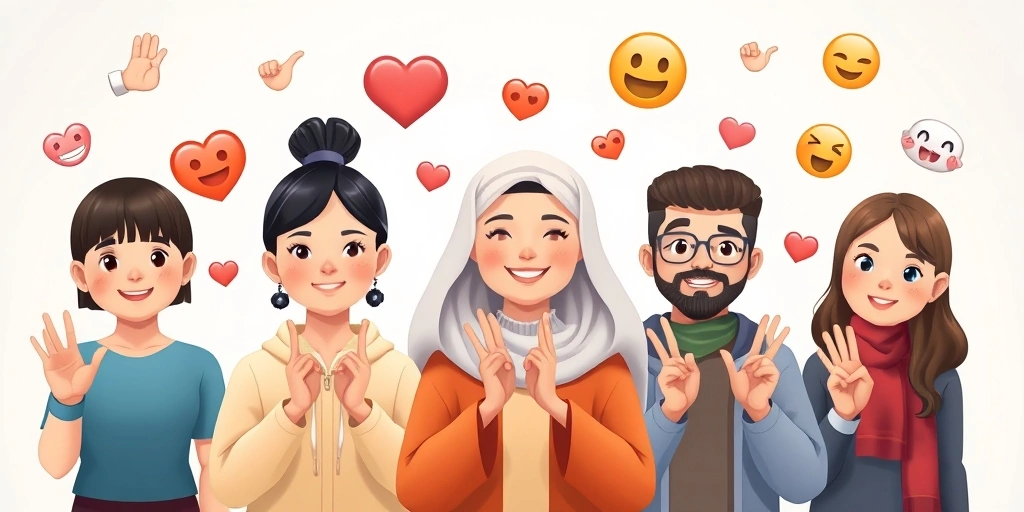
Take, for instance, the ✌️ Victory Hand. In many Western cultures, it signifies peace or victory. However, in some parts of the UK and Australia, if the palm faces inward, it can be considered an offensive gesture. Similarly, the 🙏 Folded Hands emoji is often used in the West to mean "thank you" or "please," mimicking a prayer gesture. Yet, in Japan, it's a common gesture for "please" or "thank you" in a more general sense, often associated with bowing or asking for a favor. Understanding these nuances can save you from miscommunications.
Smiles and Scowls: Facial Expressions Across Cultures
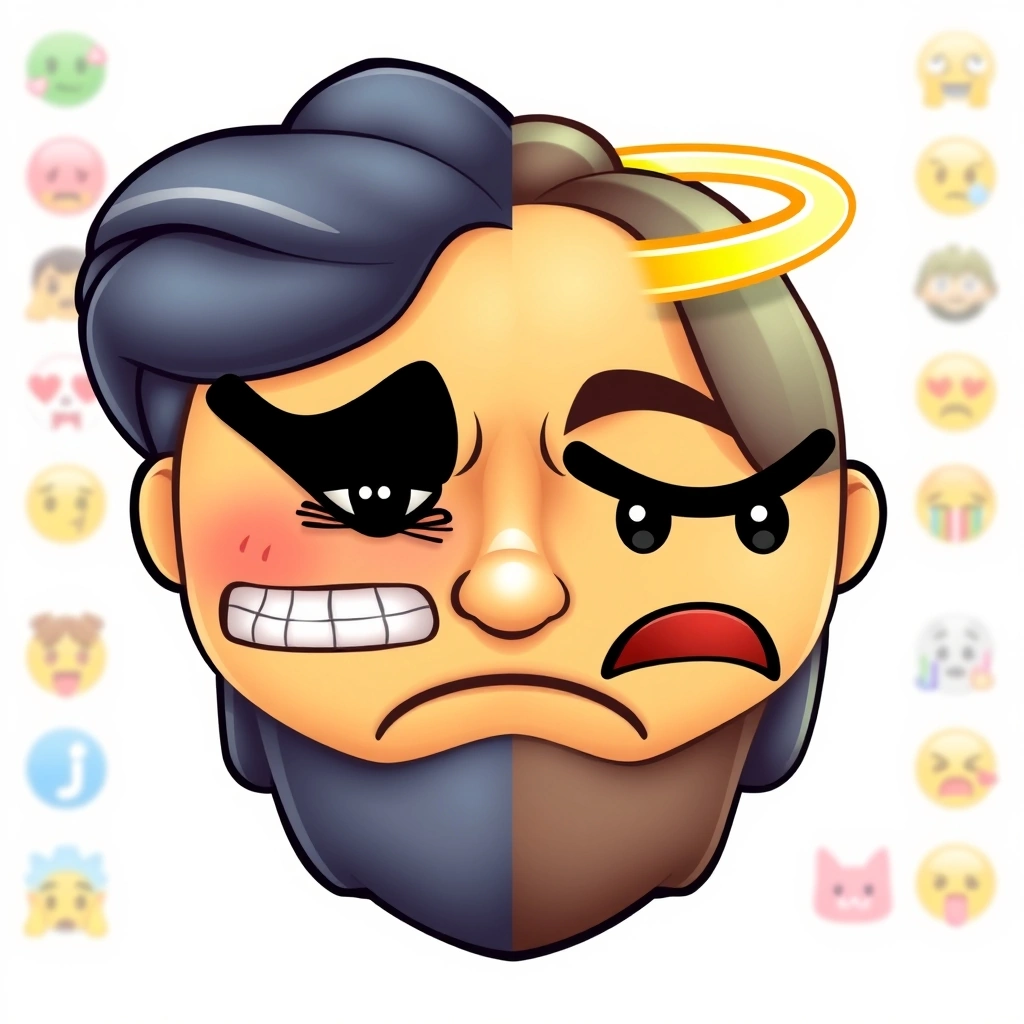
Facial emojis are another prime example. The 😬 Grimacing Face emoji, often used to express awkwardness or mild discomfort in English-speaking countries, might be seen as a sign of anger or hostility in other contexts. It’s a subtle difference, but one that can drastically alter the message being conveyed. Consider also the 😇 Smiling Face with Halo emoji; while often signifying innocence or being an "angel" in the West, its interpretation can vary, sometimes even being seen ironically depending on the surrounding text.
Why Do These Differences Exist?
These cultural variations stem from several factors. Historical gestures, local customs, religious influences, and even the way emotions are expressed publicly all play a role. What's polite in one culture might be rude in another. The digital representation simply carries these real-world interpretations into our online conversations. Being aware of these deep-rooted connections is essential for effective cross-cultural communication when you paste emoji into your messages.
Navigating the Emoji Landscape with Awareness
To avoid misunderstandings, consider your audience. If you're communicating with someone from a different cultural background, it's often safer to use universally understood emojis (like 😊 or 😂) or to simply be more explicit with your text. When in doubt, a quick search or asking directly can clarify meanings. Embracing the diversity of emoji interpretations enriches our understanding of global communication, transforming simple icons into powerful tools for connection.
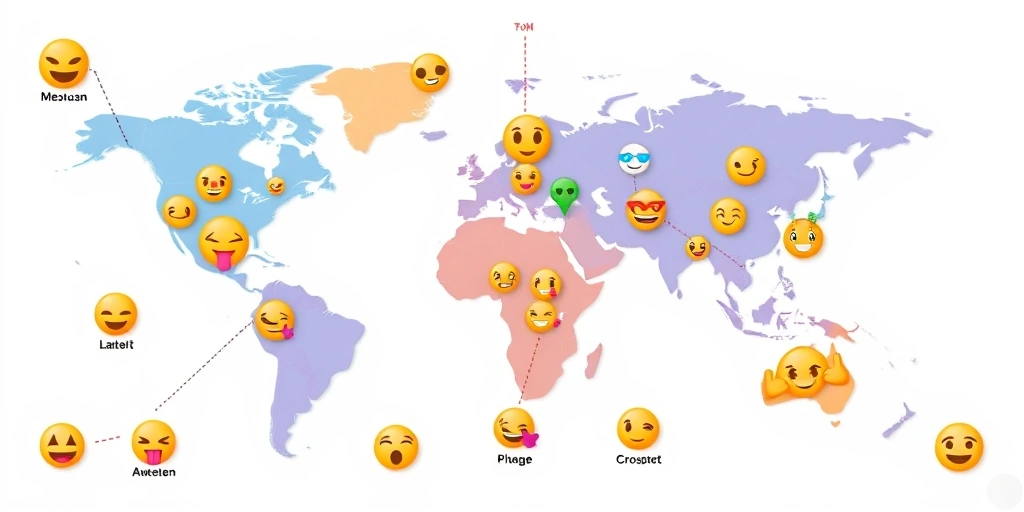
The journey to truly understand the global language of emojis is an ongoing one. Each symbol holds a mirror to our shared humanity and our unique cultural identities. By recognizing and respecting these differences, we can navigate the digital world with greater empathy and build stronger connections, one emoji at a time. Dive into the world of symbols and discover new meanings, perhaps even on Emojilar, your ultimate destination for emoji online.
📒 Related Blogs
More...How a Simple Emoji Can Save Your Workday from Misunderstandings
Beyond Words: How Emojis Shape Our Online Personalities & Digital Identity
The Hidden Power of Emojis in Your Private Chats
The Emoji Effect: How Our Digital Expressions Are Always Changing
Tiny Icons, Huge Impact: Emojis Supercharge Reactions & Drive Viral Debates on Social Media
How Emojis Became Our Secret Weapon for Calming Awkward Chats