How Emojis Became Our Secret Weapon for Calming Awkward Chats

Feb 06,2026
We've all been there. You send a quick message, thinking nothing of it. Then you see the three dots appear, disappear, and reappear. A sinking feeling hits your stomach. Oh no, you think. They took that the wrong way.
In the flat landscape of text, our words can feel sharp, even when we don't mean them to be. A simple "okay" can read as cold agreement or simmering frustration. A question mark can feel like an accusation. Without the cues of a voice or a face, our brains fill in the blanks, and often, they fill them with the worst possible interpretation.
This is where the quiet magic of emojis comes in. They aren't just digital stickers. Over time, they've evolved into emotional shorthand, a way to paint tone onto our typed words. They calm the waters before a storm of misunderstanding even has a chance to form.
Think about the last time you had to deliver slightly critical feedback over chat. The words alone might feel harsh. But adding a thoughtful face or a gentle grimace can completely change the reception. It signals, "I'm coming from a good place. This is about the work, not about you." It pre-empts defensiveness.
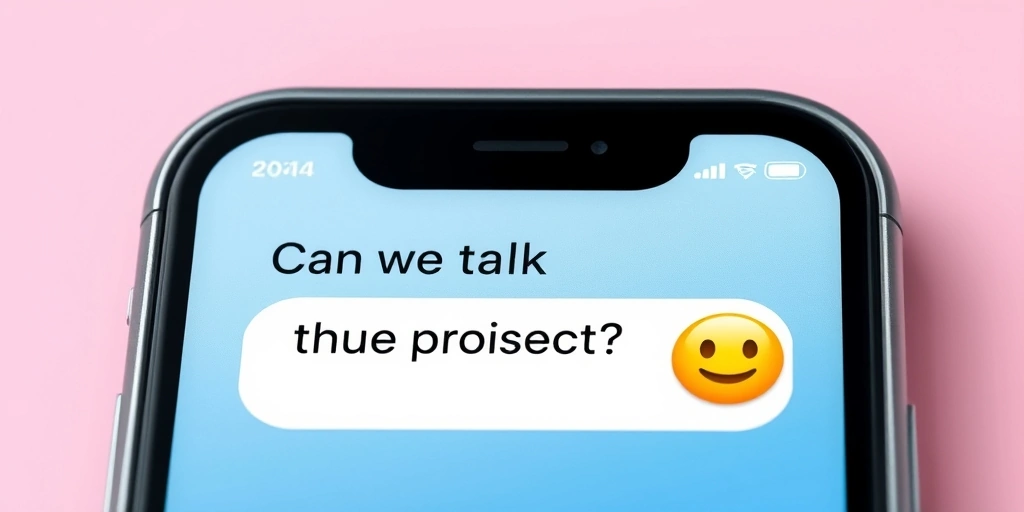
Or consider the classic scenario of running late. A dry "Sorry, running 10 min late" can spark annoyance. But that same message followed by a pleading face, a sweat droplet, or a sprinting person completely reframes it. It shows effort, regret, and a bit of humorous self-awareness. It turns a statement into an apology.
This calming effect isn't a one-time trick. It's something that builds over time, within the context of a relationship. You and your friend, your partner, or your coworker develop a shared language. You learn that their laughing-crying emoji means genuine amusement, not sarcasm. That their single red heart is a sincere token of affection. This shared understanding acts as a buffer.
When a new, potentially tense topic arises, you have this established toolkit of warmth to reach for. You can lead with a soft opener or cushion a difficult question with a visual that says, "We're still on the same team here." For more on how emojis function in specific situations, you can explore our emoji & situation blog category.
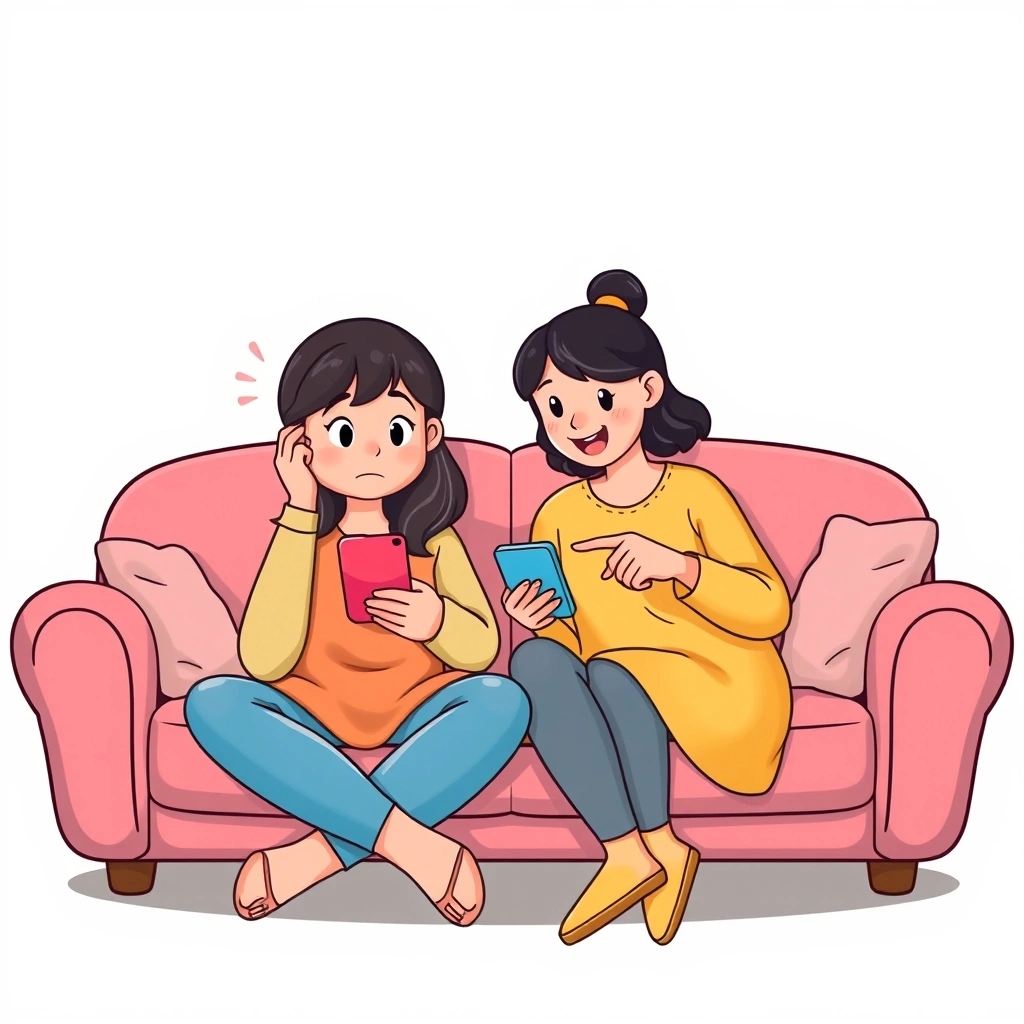
The power lies in their ambiguity, yet specificity. A smiley face is universally positive, but a grinning face with smiling eyes carries a different, warmer weight than a simple smirk. We subconsciously choose the emoji that best matches our internal emotional state, broadcasting a clarity that plain text struggles to achieve.
They also give the recipient an easy way to respond. A thumbs-up or a heart reaction to a vulnerable message is a low-effort but high-impact way to say, "I see you. I acknowledge that." It closes the loop without demanding a lengthy reply, effectively calming any lingering anxiety the sender might have felt after hitting 'send.'
In a way, emojis have become the social grease for our digital interactions. They absorb the little friction points—the unintended tone, the abrupt ending, the unanswered question. They insert a breath, a pause, a facial expression where there is none. They remind the person on the other side that there's a human being behind the screen, one who cares about how their words are received.
So the next time you're about to send a message that feels even slightly risky, pause. Could a single emoji change its entire temperature? Often, the answer is yes. That tiny icon isn't frivolous; it's a peacekeeper, working overtime to ensure our connections remain smooth, understood, and calm. To see another example of this in action, read about the quiet comfort emojis provide in awkward pauses.
📒 Related Blogs
More...The Emoji Takeover: How Tiny Icons Replaced Our Small Talk
Emoji Etiquette: Navigating the Unwritten Rules of Digital Expression
Emoji SOS: Why Those Little Icons Lead to Big Misunderstandings in Sensitive Conversations
The Unsung Heroes of Your Chats: How Emojis Keep Digital Conversations Flowing Smoothly
How Emojis Turn Your Casual Chats Into a Playful Game
The Secret Language of Our Screens: How Emojis Mirror Cultural Moods Online