Emoji SOS: Why Those Little Icons Lead to Big Misunderstandings in Sensitive Conversations

Dec 29,2025
The Unspoken Language of Digital Tears and Laughter
When a Thumbs Up Isn't Always a Go-Ahead
It's amazing how much of our daily communication has shifted to digital platforms. From quick chats with friends to serious discussions with family or colleagues, emojis have become an integral part of how we express ourselves. They add color, emotion, and often, a much-needed shortcut to conveying tone. But here's the thing: while emojis can clarify, they can also profoundly confuse, especially when the stakes are high and emotions are running deep. Think about those sensitive conversations – a heartfelt apology, a difficult piece of news, or even just a delicate disagreement. In these moments, the little icons designed to bridge gaps can sometimes widen them into chasms of misunderstanding.We've all been there, haven't we? You send a message, carefully crafting your words, adding an emoji you think perfectly captures your sentiment, only to receive a perplexed or even offended reply. It’s like speaking a slightly different dialect of the same language, where a subtle shift in inflection changes everything. This isn't about blaming anyone; it's about acknowledging the inherent complexities of digital communication when human emotions are on the line. Emojis, for all their charm, carry a heavy burden of interpretation, and in sensitive exchanges, that burden can easily tip the scales towards miscommunication. This phenomenon of emojis going awry isn't uncommon, and it's a topic we often explore, especially when diving into general emoji mistakes and misuse.
The Subtle Shades of Misinterpretation
Why Context is King, and Emojis are its Loyal, Yet Tricky, Subjects
One of the biggest culprits behind emoji misreadings is context – or the lack thereof. In a face-to-face conversation, we have vocal tone, facial expressions, and body language to guide us. We see a frown, hear a sigh, or notice a shrug, and these non-verbal cues help us decode the true meaning behind the words. In text, emojis are supposed to fill that void, but they often fall short. A simple "okay" followed by a slightly smiling face could mean "okay, I understand" or "okay, I'm reluctantly agreeing." The difference is monumental in a sensitive discussion.Consider the upside-down face emoji 🙃. For some, it's a playful sign of sarcasm or silliness. For others, it might signal annoyance, passive aggression, or even profound resignation. Imagine trying to apologize for a misunderstanding, ending your message with a genuine "I'm really sorry 🙃." To you, it might mean "I'm sorry for being a bit silly," but to the recipient, it could easily read as "I'm sorry, but not really." Suddenly, your attempt to mend things has inadvertently caused further friction. It's a prime example of the emoji enigma and why these cute icons keep causing confusion.Cultural differences also play a significant role. An emoji that conveys a positive sentiment in one culture might be neutral or even negative in another. While most widely used emojis have a somewhat universal understanding, the subtle variations in how they are *felt* can be profound. For instance, the folded hands 🙏 can mean "thank you," "please," or "namaste" depending on the individual and region. In a discussion about a serious personal matter, sending this could be seen as a respectful plea for understanding or, less ideally, as an inappropriate gesture if not interpreted as intended. 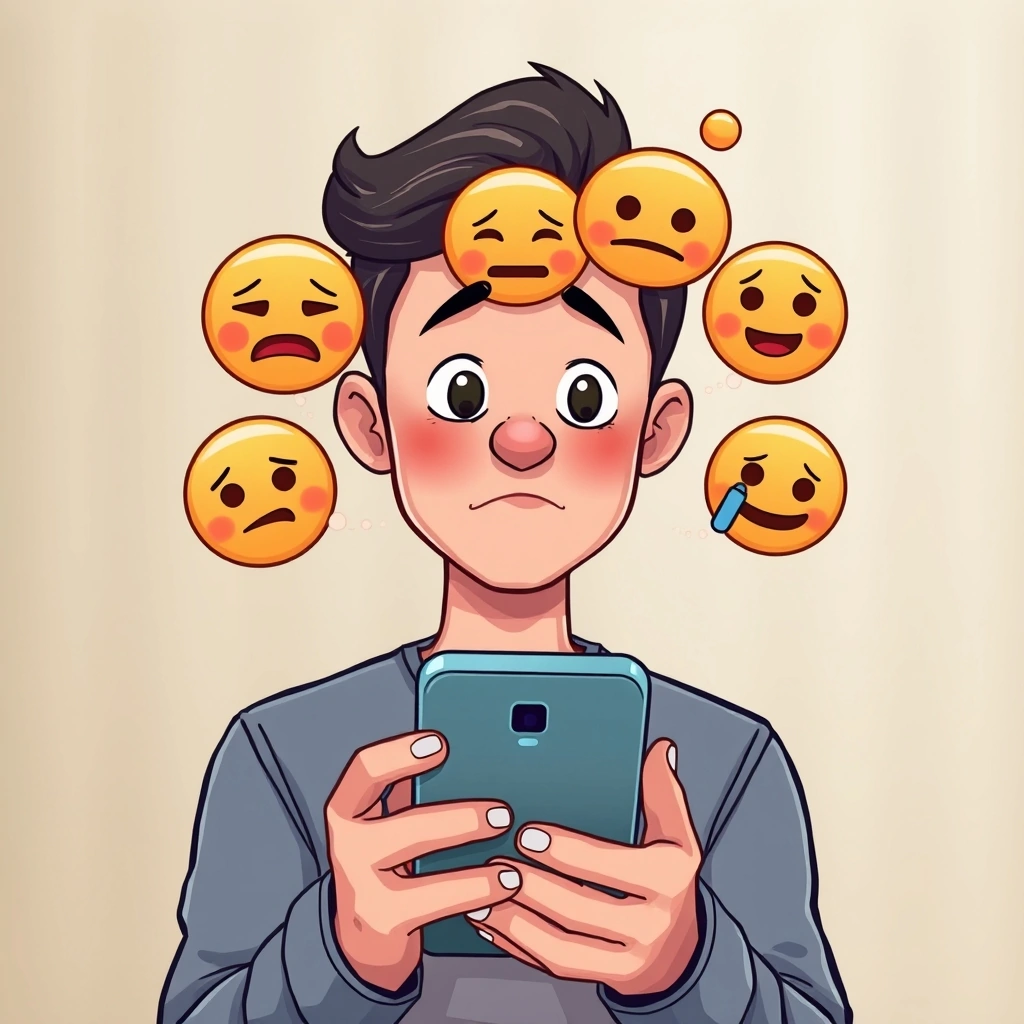
The Emotional Impact: When Good Intentions Go South
Navigating Delicate Conversations Without Adding Fuel to the Fire
The emotional toll of misread emojis in sensitive exchanges can be significant. When you're discussing something important – perhaps a relationship issue, a difficult decision, or personal struggles – clarity is paramount. A misinterpreted emoji can lead to feelings of being dismissed, misunderstood, or even disrespected. Someone might be pouring their heart out, sharing vulnerabilities, and then see a seemingly casual emoji that makes them feel like their feelings are being trivialized.It's not just about what the sender *meant*; it's about what the receiver *perceived*. And in emotional contexts, perception often triumphs over intention. This gap between what we intend to convey and what is actually received is where the most pain often resides. We might use the loudly crying face 😭 to express extreme sadness, but if the recipient interprets it as overreacting or being overly dramatic, it can invalidate their own shared feelings or make them feel less understood. This is particularly true in dynamic environments like group chats, where multiple interpretations can compound the problem, leading to what some might call the silent scream of emojis being misunderstood in group chats.Think about apologies. An apology is already a vulnerable act. If you follow "I'm genuinely sorry for what happened" with a sweat smile emoji 😅, your intention might be to convey a slight embarrassment or awkwardness, but the recipient could easily see it as a lack of sincerity, as if you're trying to laugh off the severity of the situation. These subtle cues, especially when emotions are heightened, can derail an entire conversation and damage trust.
Strategies for Clarity: Speaking the Same Emoji Language
Mindful Messaging in a Fast-Paced Digital World
So, what can we do to mitigate these misunderstandings, especially during those sensitive exchanges? It's not about abandoning emojis altogether – they're too embedded in our communication. It's about being more mindful and intentional in their use.
- **Prioritize Words Over Icons:** When the conversation is truly sensitive, lean heavily on your words. Express yourself clearly and thoroughly. Emojis can then be used sparingly, if at all, to *enhance* rather than *define* your message.
- **Know Your Audience:** Understand who you're talking to. How do they typically use emojis? What's your shared communication history? A close friend might understand your sarcastic skull emoji 💀, but a distant family member discussing a serious health update might not.
- **When in Doubt, Leave it Out:** If you're unsure how an emoji might be perceived, it's safer to omit it. A message without an emoji is rarely offensive, but a misunderstood one can be.
- **Clarify If Needed:** If you notice a hint of confusion in a reply, don't hesitate to clarify your emoji use. "Oh, by the way, when I used the 🙃 earlier, I meant to convey a sense of gentle irony, not dismissal."
- **Read and Reread:** Before hitting send on a sensitive message, read it aloud. Imagine how someone else might interpret it, especially if they're feeling emotional. Does the emoji truly support your intended tone, or could it muddy the waters?
Empathy in Every Tap
Building Bridges, Not Walls, with Our Digital Expressions
Ultimately, navigating sensitive conversations in the digital age requires a heightened sense of empathy and awareness. It’s about recognizing that what seems clear to us might be murky to someone else, especially when emotions are running high. Emojis are powerful tools, capable of conveying a spectrum of feelings, but with great power comes great responsibility.By being thoughtful about how and when we deploy these colorful icons, we can ensure they continue to enrich our conversations rather than inadvertently causing distress or widening the very emotional gaps we're trying to bridge. It’s about ensuring our digital expressions build bridges of understanding, one carefully chosen word and emoji at a time. The goal isn't perfection, but rather conscious communication that respects the vulnerability and emotions inherent in sensitive exchanges.
📒 Related Blogs
More...Clarity in Every Chat: How Emojis Prevent Misinterpretations in Professional Messaging
The Psychology Behind Emojis: Unlocking Our Digital Emotions
Beyond Words: How Emojis Bring Clarity and Connection to Project Updates
Beyond Words: How Emojis Bridge Cultures in Digital Communication
The Silent Misunderstanding: When Your Emoji's Message Gets Lost in Translation
The Secret Life of Emojis: Decoding Their Hidden Meanings & Cultural Impact