The Secret Life of Emojis: Decoding Their Hidden Meanings & Cultural Impact

Dec 10,2025
Remember a time before emojis? It feels almost prehistoric, doesn't it? These tiny, expressive icons have become an indispensable part of our digital vocabulary, injecting emotion and nuance into text that would otherwise feel flat. But what's the secret life behind these familiar faces? They're more than just pictures; they're a complex, evolving language. Welcome to the fascinating world where pixels speak louder than words.
The Humble Beginnings: A Brief History of Emojis
The concept of digital pictograms isn't new, with early emoticons like :) paving the way. However, the first true set of emojis emerged in Japan in 1999, created by Shigetaka Kurita for NTT DoCoMo's i-mode mobile internet platform. His original set of 176 emojis was designed to make electronic communication richer and more engaging. Fast forward to today, and thanks to platforms like emojilar, accessing and using a vast Emoji collection is easier than ever. 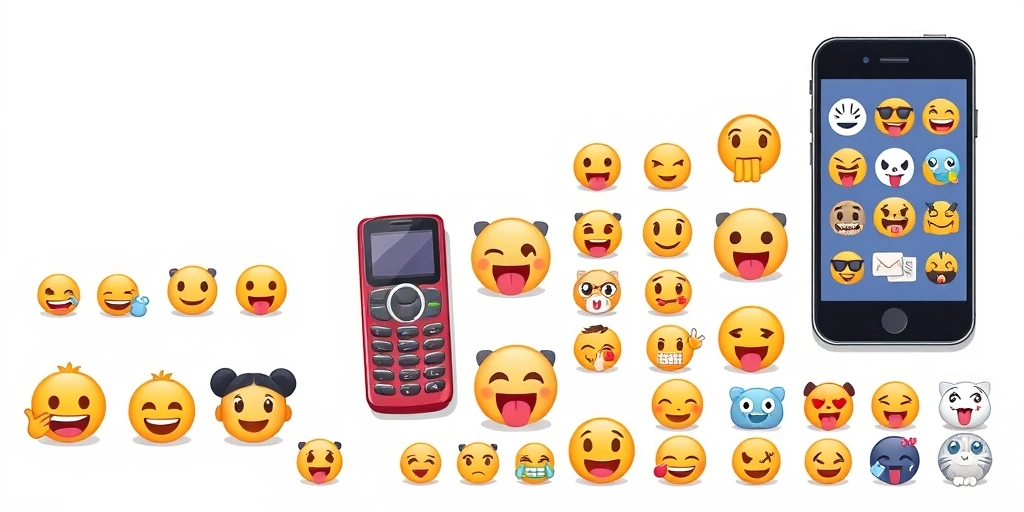
From Niche to Global Phenomenon: Unicode's Role
The real explosion of emojis onto the global stage happened when Apple included them in their iPhone operating system in 2008 (initially for the Japanese market, then globally in 2010). But the true game-changer was Unicode's adoption of emojis. Unicode is the international standard for text encoding, ensuring that characters appear consistently across different devices and platforms. This standardization meant that an emoji you sent from your phone would look the same on your friend's, regardless of their device. This is crucial for seamless Emoji online communication.
Decoding the Silent Language: More Than Meets the Eye
Emojis aren't just decorative; they convey meaning, tone, and emotion that plain text often misses. A simple 😂 Face with Tears of Joy can instantly turn a dry statement into a humorous one. The 😍 Smiling Face with Heart-Eyes communicates adoration far more succinctly than words. They add layers of subtext, allowing us to express sarcasm, excitement, frustration, or affection with a single tap. 
Cultural Nuances and Misinterpretations
While emojis are universal, their interpretations aren't always. The 🙈 See-No-Evil Monkey might universally mean "I didn't see that!" or "oops," but other emojis can have distinct cultural contexts. The thumbs-up emoji 👍, for example, is positive in many Western cultures but can be offensive in parts of the Middle East and West Africa. Understanding these nuances is key to effective cross-cultural digital communication. 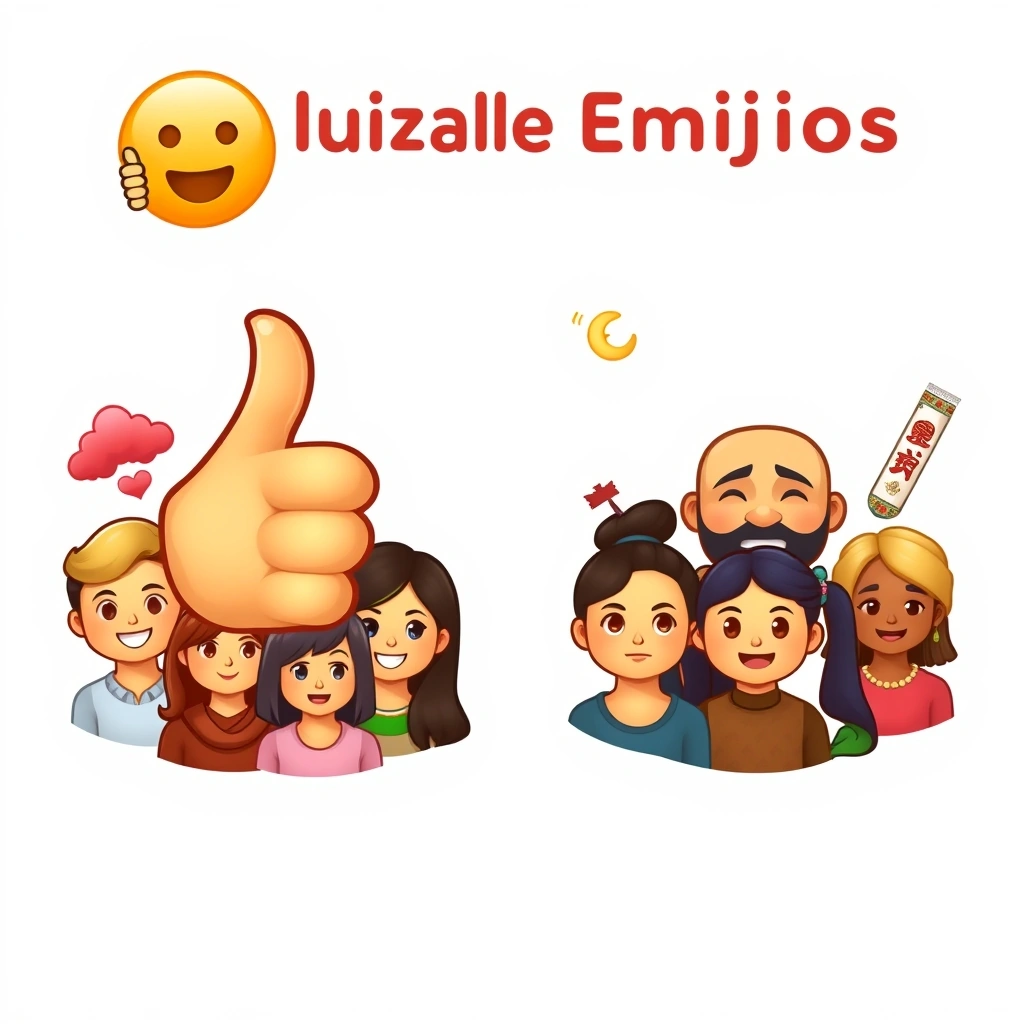 When you want to copy emoji and paste emoji, always consider your audience.
The Future of Emojis: Ever Evolving
The world of emojis is constantly expanding, with new additions annually reflecting societal changes and technological advancements. From gender-inclusive options to more diverse skin tones and professional roles, emojis are adapting to represent our diverse world. They are no longer just pictures; they are a dynamic, living language that continues to shape how we connect, express, and understand each other in the digital age. They truly have a secret life, full of meaning and evolution.
📒 Related Blogs
More...Beyond "K": How Emojis Make Quick Online Replies Warm and Understood
The Great Emoji Debate: Are Emojis Enhancing or Hindering Modern Language?
Emoji Etiquette Guide: Mastering the Unspoken Rules of Digital Communication
Emojis in Pop Culture: How They Influence Movies, Fashion & Beyond
The Unspoken Magic of Emoji Pairs: How Two Little Icons Say So Much More
Decoding Emoji Trends: What's Popular and Why People Use Them