Emoji Etiquette Guide: Mastering the Unspoken Rules of Digital Communication

Dec 19,2025
Emojis have permeated every corner of our digital lives, transforming the way we express emotions and add nuance to our messages. From a simple "thumbs up" to a complex sequence of symbols, these tiny icons can convey more than words sometimes. But just like spoken language, emojis come with their own set of unspoken rules and etiquette. Understanding these rules is crucial for effective communication and avoiding awkward misunderstandings in the vast digital landscape. Whether you're sending a quick text or composing a professional email, mastering emoji etiquette ensures your message lands perfectly. On emojilar, you can find a vast Emoji collection to explore!
Understanding the Power of Emojis
Emojis are more than just cute pictures; they are powerful tools that can clarify tone, express humor, or soften a blunt statement. In a text-based world where sarcasm and intent can often be lost, emojis act as non-verbal cues. They help us inject personality and emotion, making our digital conversations feel more human and less robotic. Learning to wield them effectively is a skill that everyone engaging in digital communication should cultivate.
Context is King: Who Are You Talking To?
The first rule of emoji etiquette is always to consider your audience. A string of playful emojis might be perfectly acceptable with close friends or family, but could appear unprofessional in a work context. Think about the relationship you have with the recipient. Is it casual, formal, or something in between? This will largely dictate the appropriateness and quantity of emojis you use. For instance, a "Face with Tears of Joy" (😂) is great for friends, but maybe not your boss.
The Professional vs. Casual Divide
In professional settings, emojis should generally be used sparingly, if at all. Some workplaces and industries are more open to them, especially in internal team communications. However, for external emails or formal reports, it’s safer to stick to words. If you do use them professionally, opt for universally understood and neutral emojis like a "Thumbs Up" (👍) or a simple "Smiling Face." When in doubt, err on the side of formality. 
Common Emoji Missteps to Avoid
Despite their widespread use, emojis are prone to misinterpretation. What one person perceives as friendly, another might see as passive-aggressive or even inappropriate. Navigating this minefield requires a bit of awareness.
Overuse and Underuse: Finding the Balance
Pasting too many emojis can make your message look cluttered, juvenile, and distract from the actual content. Conversely, using no emojis at all in a casual conversation might make you seem cold or aloof. The trick is to find a balance. A general guideline is one or two relevant emojis per message or paragraph, used to enhance rather than replace words. Nobody wants to see a paragraph of only rocket ships and clap hands, unless it's explicitly for a celebratory group chat!
Misinterpreting Meanings
Emojis can have different meanings across cultures or even among different age groups. The "Thinking Face" (🤔) might imply deep thought to some, while others might interpret it as skepticism or confusion. Before you Copy emoji and paste it, take a moment to consider if its meaning is clear and unambiguous to your recipient. A "Smiling Face with Open Mouth and Cold Sweat" (😅) is a good example of an emoji whose nuance can easily be missed. 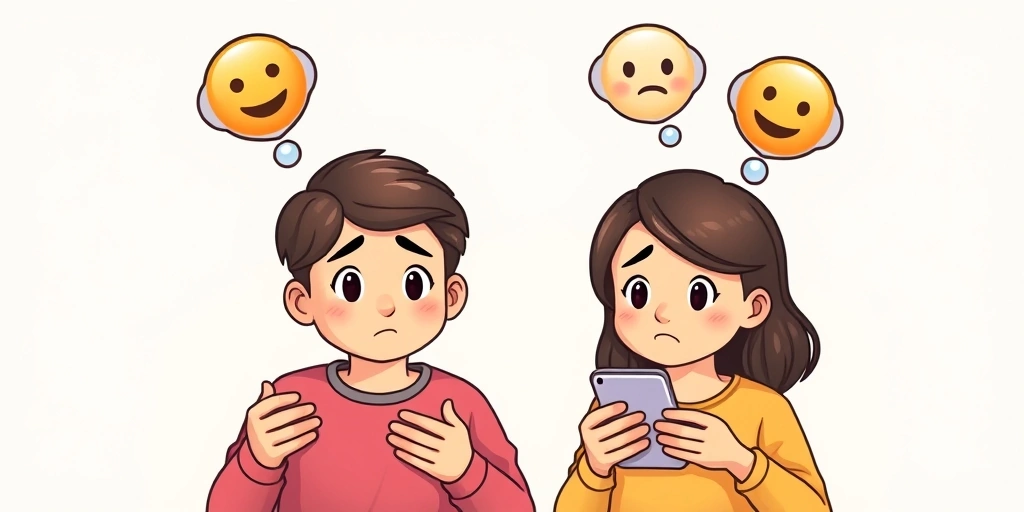
Tips for Mastering Emoji Etiquette
Becoming an emoji master isn't rocket science, but it does require a bit of thought and empathy. Here are some actionable tips.
Read the Room
Pay attention to how others are using emojis in your conversation. If they are using them, it's often a signal that it's acceptable for you to do so too. If they aren't, it might be best to hold back. This unspoken mirroring helps maintain conversational harmony.
When in Doubt, Leave it Out
If you're unsure whether an emoji is appropriate or if it might be misunderstood, it's usually best not to use it. Clear, concise words are always a safe bet. Better to be understood plainly than misunderstood creatively. 
Consider Cultural Nuances
Some emojis carry different connotations in various cultures. For example, the "thumbs up" gesture can be offensive in certain parts of the world. While many emojis are globally understood, it's wise to be aware of potential cultural differences, especially when communicating internationally.
Ultimately, emoji etiquette boils down to common sense and consideration for your audience. Emojis are incredible tools for enriching our digital conversations, adding warmth, humor, and clarity. By being mindful of context, audience, and potential misinterpretations, you can navigate the unspoken rules of digital expression like a pro. Use them wisely, and watch your messages become more engaging and expressive, making every interaction a little brighter. 
📒 Related Blogs
More...Decoding Emoji Meanings: Common Misunderstandings & Cultural Nuances
Effortless Express: How Emojis Revolutionize Your Daily Chats
Emoji Accessibility: Ensuring Inclusive Digital Communication for All
The Unspoken Magic of Emojis: How a Simple 😊 Makes Your One-on-One Chats Feel Effortless
The Secret Language of Emojis: Decoding Regional & Cultural Differences
The Unspoken Comfort: How Emojis Bridge Emotional Gaps in Silence