Decoding Emoji Meanings: Common Misunderstandings & Cultural Nuances

Dec 10,2025
Decoding Emoji Meanings: Navigating the World of Digital Expressions
Emojis have woven themselves into the fabric of our digital conversations, adding color, emotion, and nuance to our text-based interactions. From a simple red heart to a more complex string of symbols, these tiny icons often seem to transcend language barriers, offering a universal shorthand for feelings. Yet, this universality can be deceptive. What one person interprets as playful, another might see as serious, leading to funny mix-ups or, occasionally, genuine misunderstandings. This article dives into the intriguing world of emoji interpretation, highlighting common pitfalls and cultural nuances.
Common Emoji Misunderstandings: Are You Sending the Right Message?
It's easy to assume an emoji's meaning based solely on its visual representation, but often, the intended meaning or common usage differs. Let's explore some frequent culprits:
The Folded Hands 🙏: Is it Prayer or a High-Five?
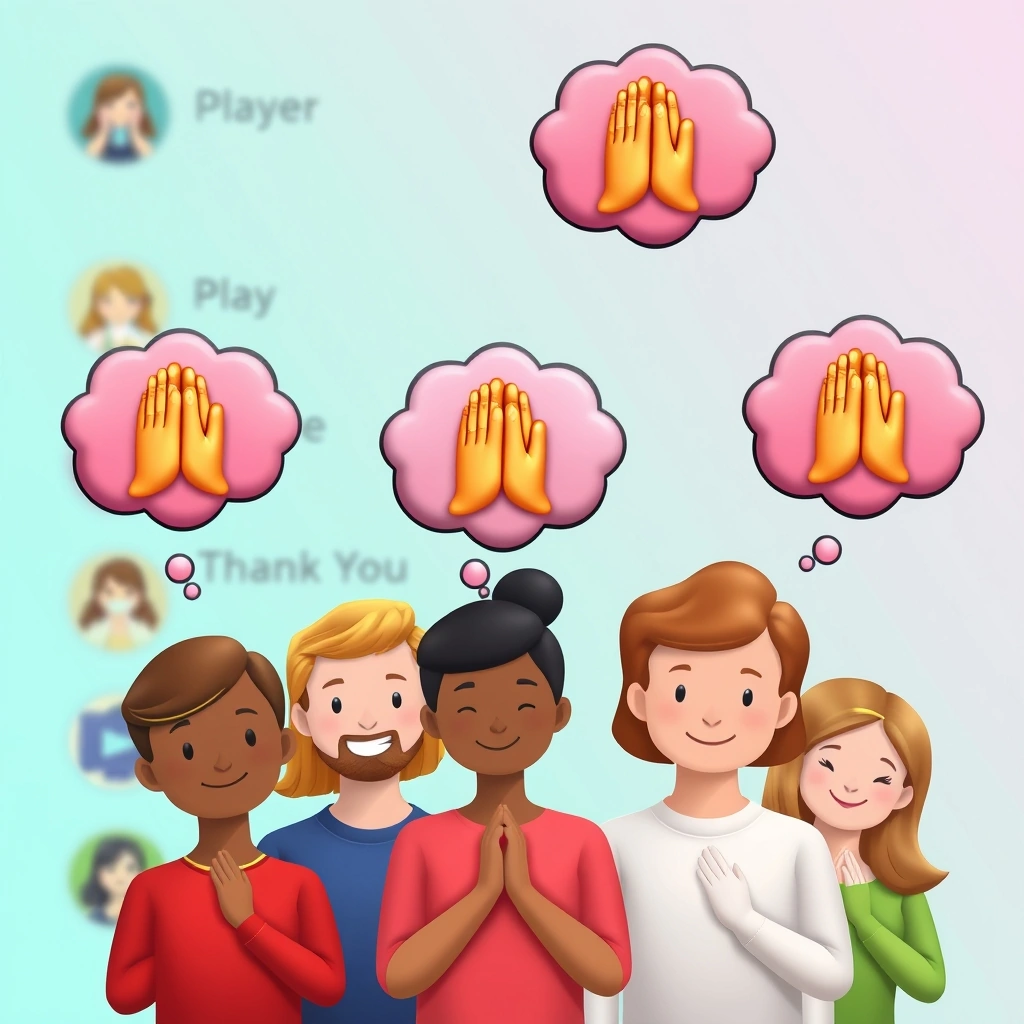
One of the most famously debated emojis, the Folded Hands emoji is frequently used in Western cultures to signify prayer, gratitude, or a plea. However, its original intent, particularly in Japan where emojis originated, is to represent a polite 'please' or 'thank you,' often seen as bowing. Many users also playfully interpret it as a high-five! This stark contrast highlights how context and cultural background deeply influence interpretation. When you need to copy emoji for a message, consider who your audience is.
The Grinning Face with Sweat 😅: Relief, Nervousness, or Just Awkwardness?
Is this Grinning Face with Sweat signaling a sense of relief after a close call, or is it conveying nervous awkwardness after making a mistake? It's a versatile emoji, often used to express embarrassment or a slight feeling of discomfort, despite its "grinning" appearance. The surrounding text is crucial for deciphering its true intent – are you relieved your deadline passed, or awkwardly explaining why it was missed?
The Pleading Face 🥺: Puppy-Dog Eyes or Urgent Request?
With its large, teary eyes and a slightly downturned mouth, the Pleading Face is designed to evoke a sense of begging or intense cuteness, much like a puppy-dog. While often used for making requests or showing adoration, it can also express mild sadness, worry, or even a sense of being overwhelmed, offering a wide spectrum of emotional possibilities depending on the conversation's tone.
Cultural Nuances: Emojis Across Borders
The journey of emojis across different cultures introduces another layer of complexity. Gestures and symbols that are harmless or positive in one region can carry negative connotations elsewhere.
The Thumbs Up 👍: Universal Approval, Except When It's Not.
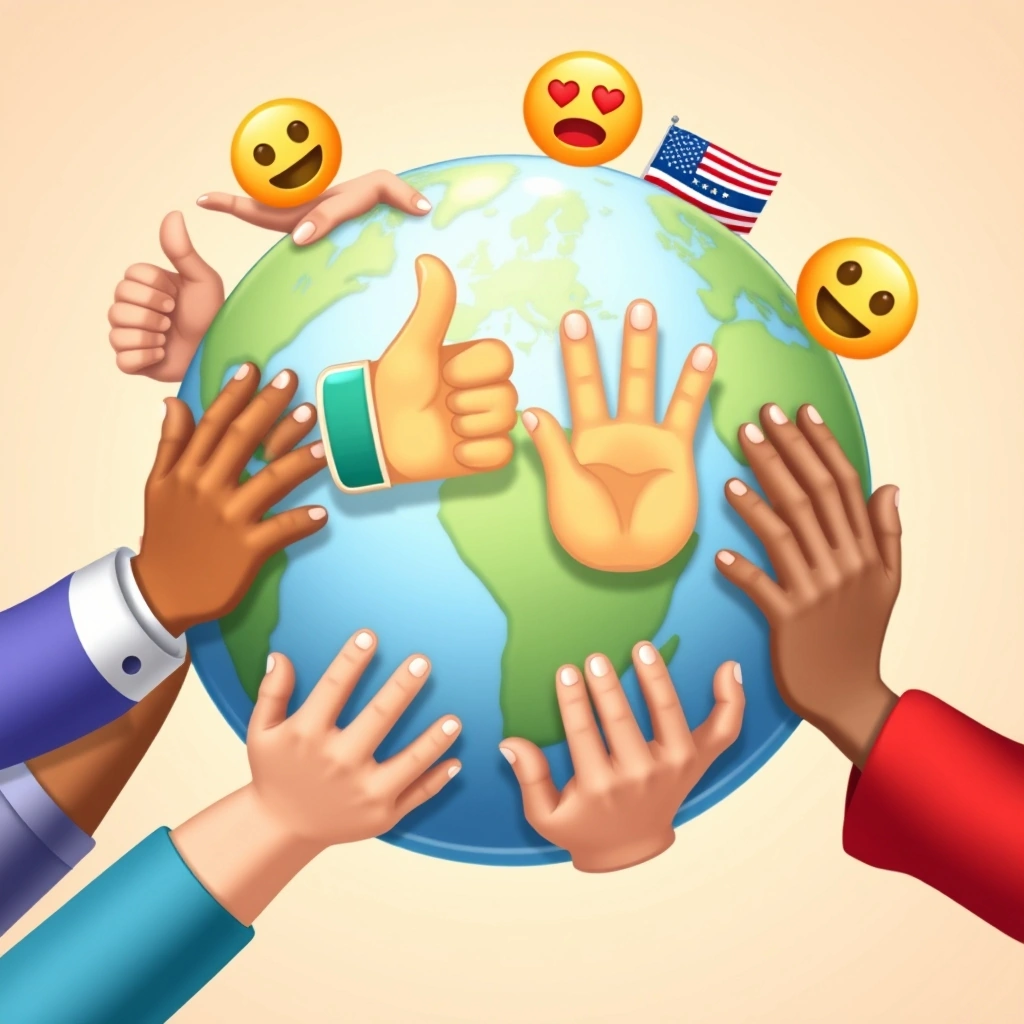
Globally, the Thumbs Up emoji is almost universally understood as a sign of approval, agreement, or 'okay.' However, proceed with caution. In parts of the Middle East, West Africa, and South America, this seemingly innocuous gesture can be considered highly offensive, equivalent to an upward-pointing middle finger. When exploring an Emoji collection and communicating internationally, awareness of these differences is paramount.
The Waving Hand 👋: A Friendly Greeting or a Dismissive Gesture?
The Waving Hand emoji is widely used for 'hello' or 'goodbye.' Yet, in certain cultures, particularly in parts of India, China, and some other Asian countries, a similar hand gesture can be interpreted as dismissive or even rude, akin to shooing someone away. It serves as a potent reminder that global digital communication requires a keen eye for subtle signals and cultural sensitivity. For more unique expressions, check out emojilar's vast selection.
Mastering Emoji Etiquette: Context, Clarity, and Consideration
Navigating the rich tapestry of emoji meanings boils down to three key principles: context, clarity, and consideration. Always consider who your audience is, the nature of your relationship, and the formality of the conversation. When in doubt about an emoji's reception, it's often wiser to opt for more universally understood icons or, even better, to use words to articulate your precise sentiment. Emojis are powerful enhancers of communication, but they should complement, not replace, clear verbal or written expression. Understanding these nuances not only enriches your digital interactions but also helps you connect more effectively across different cultural landscapes. Happy Emoji online exploration!
📒 Related Blogs
More...Are Emojis Reshaping How We Communicate? A Comprehensive Look
The Invisible Hand: How Emojis Steer Understanding in Online Communities
The Hidden Power of Emojis in Your Private Chats
Effortless Express: How Emojis Revolutionize Your Daily Chats
The Unspoken Language: How Emojis Cut Through Text in Familiar Chats
The Hidden Power of Emojis: How They Shape Reactions on Social Media