Are Emojis Reshaping How We Communicate? A Comprehensive Look

Dec 25,2025
In a world increasingly dominated by digital interactions, a fascinating phenomenon has taken root: the ubiquitous emoji. These tiny, vibrant icons have transcended mere embellishments to become a crucial component of how we express ourselves online. But are emojis truly changing the fundamental fabric of human communication, or are they simply a fleeting trend? Let's take a deep dive into their profound impact.
The Rise of Pictographic Language
From ancient hieroglyphs to modern emojis, humans have always sought visual ways to convey meaning. Emojis, however, bring an unprecedented level of accessibility and universality to this age-old practice. What started as simple smileys in Japan has blossomed into a complex emoji collection recognized across diverse cultures and languages. They fill the emotional void often left by plain text, adding tone, humor, and nuance that might otherwise be lost.
Conveying Emotion and Tone
One of the most significant ways emojis are changing communication is by providing emotional shorthand. A simple text like "Okay" can be misinterpreted as annoyed, neutral, or agreeable. Add a 😂 (face with tears of joy) or a ❤️ (red heart), and the meaning instantly clarifies, expressing genuine amusement or affection. They allow us to inject personality and feeling into our messages without having to type lengthy explanations, making conversations more efficient and expressive.
Bridging Language Barriers
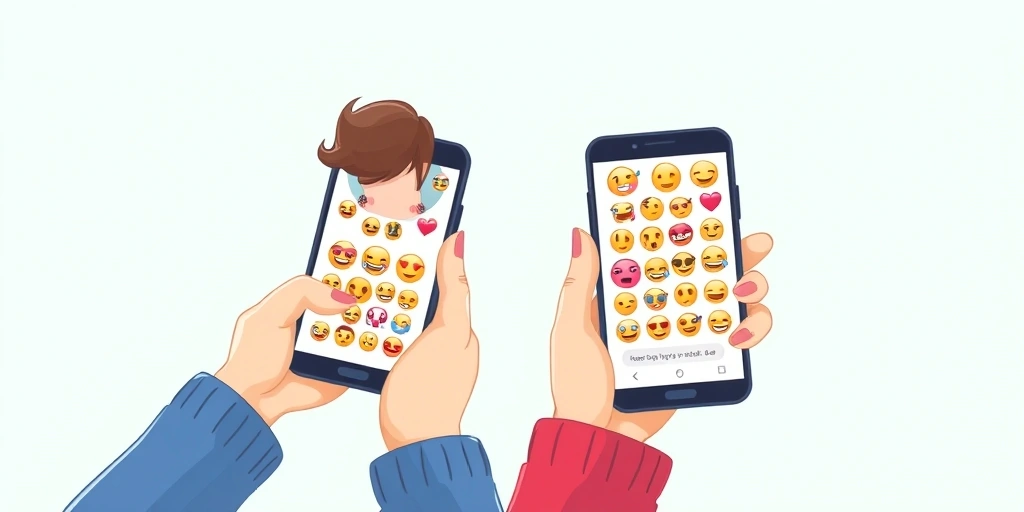
While not a perfect universal language, emojis often transcend linguistic boundaries. A thumbs-up 👍 generally signifies approval whether you speak English, Spanish, or Japanese. This visual common ground can facilitate basic communication and understanding, particularly in quick exchanges or between individuals with limited shared vocabulary. It's a powerful tool for global interaction, simplifying the process to Copy emoji and paste.
The Nuances and Potential Pitfalls
Despite their benefits, emojis aren't without their complexities. The same emoji can hold different interpretations across cultures or generations. For instance, the 🙏 (folded hands) emoji is seen as a 'thank you' or 'please' in some cultures, while others interpret it as a prayer. This potential for misinterpretation highlights the ongoing evolution of digital etiquette and the need for context.
Impact on Formal Communication
The rise of emojis also blurs the lines between formal and informal communication. While perfectly acceptable in casual chats with friends and family, their use in professional emails or official documents is still debated. However, some studies suggest that a well-placed, appropriate emoji can actually soften a message or build rapport in certain professional contexts, especially among younger demographics. Learning to navigate these evolving norms is key to effective digital interaction.
Ultimately, emojis are not replacing traditional language but rather augmenting it. They act as a new layer of non-verbal communication in the digital realm, much like facial expressions and body language do in face-to-face interactions. They allow for richer, more nuanced, and often more personal expressions in text-based conversations. As technology continues to evolve, so too will our methods of communication, and emojis are undoubtedly at the forefront of this fascinating shift. Embrace the visual shorthand and enjoy the enhanced expressiveness they bring!
📒 Related Blogs
More...The Psychology Behind Emojis: Why We Love to Tap and Send Them
The Fascinating Journey: From Ideogram to Icon – The Evolution of Emojis
The Secret to Lighter Chats: How Emojis Make Fast-Paced Conversations Effortless
The Secret Life of Emojis: How Our Digital Heartbeats Mirror a Changing World
The Secret Power of Emoji Order: How Sequence Changes Everything in Your Comments
Emojis & Identity: How Digital Expressions Shape Who We Are Online