The Hidden Power of Emojis: How They Shape Reactions on Social Media

Jan 21,2026
Think about the last time you scrolled through your feed. What made you stop and actually react to a post? Chances are, it wasn't just the words. Often, it was the little colorful icons sprinkled throughout—the emojis. They're not just cute add-ons; they're active participants in our digital conversations, silently guiding how we feel and respond.
When you drop a laughing-crying emoji on a friend's mildly funny story, you're doing more than just acknowledging it. You're amplifying the humor, giving it a social thumbs-up that encourages others to join in. That single emoji can turn a quiet post into a thread of shared laughter. Conversely, a thoughtful 💭 or a supportive 🤗 in a more serious update frames the entire conversation, signaling to others how to engage with care.
Emojis as Social Cues
Online, we're missing the tone of voice, the facial expressions, the body language that fills our face-to-face chats. Emojis rush in to fill that void. They act as digital body language, providing crucial context. A plain text "okay" can seem cold or even sarcastic. An "okay 👍" feels agreeable and positive. A "great job!" is nice, but a "great job! 🎉" feels celebratory and energizing.
This isn't just a feeling; it influences measurable outcomes. Posts and comments that include relevant emojis tend to see higher engagement rates—more likes, more replies, more shares. They make content feel more approachable, more human, and more emotionally resonant. They're a shortcut to connection.
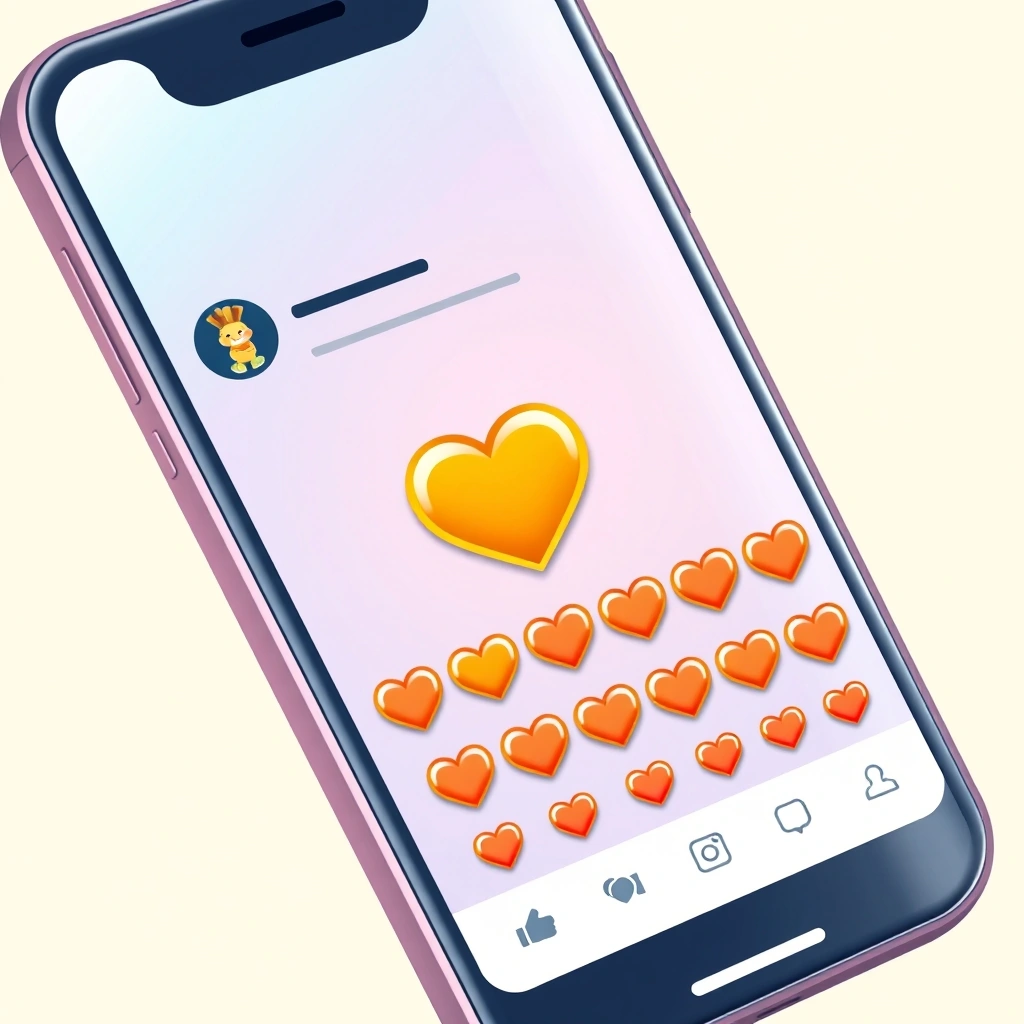
This dynamic is especially potent in the comments section. Your reply to someone's post sets the tone for everyone else who reads it. If you're the first commenter and you use a heart ❤️ or a fire 🔥, you're establishing an emotional benchmark. You're giving others permission to express similar warmth or excitement. It creates a kind of social proof, making it easier for the next person to hit that heart button or add their own celebratory emoji.
For a deeper dive into how a single icon can shift an entire conversation, check out our post on the magic of a single emoji.
The Risk of Misinterpretation
Of course, with great power comes great responsibility (and the occasional awkward misunderstanding). The influence of emojis isn't always positive. Using a 😂 on a post about someone's minor misfortune can come across as dismissive rather than sympathetic. The infamous eggplant 🍆 or peach 🍑 emojis carry connotations that might not be suitable for every audience or context.
The key is intentionality. Think about the emotion you genuinely want to convey and choose an emoji that aligns with it. When in doubt, simpler is often safer. A smile 😊, a heart ❤️, or a thumbs-up 👍 are widely understood as positive and supportive across most platforms and demographics.
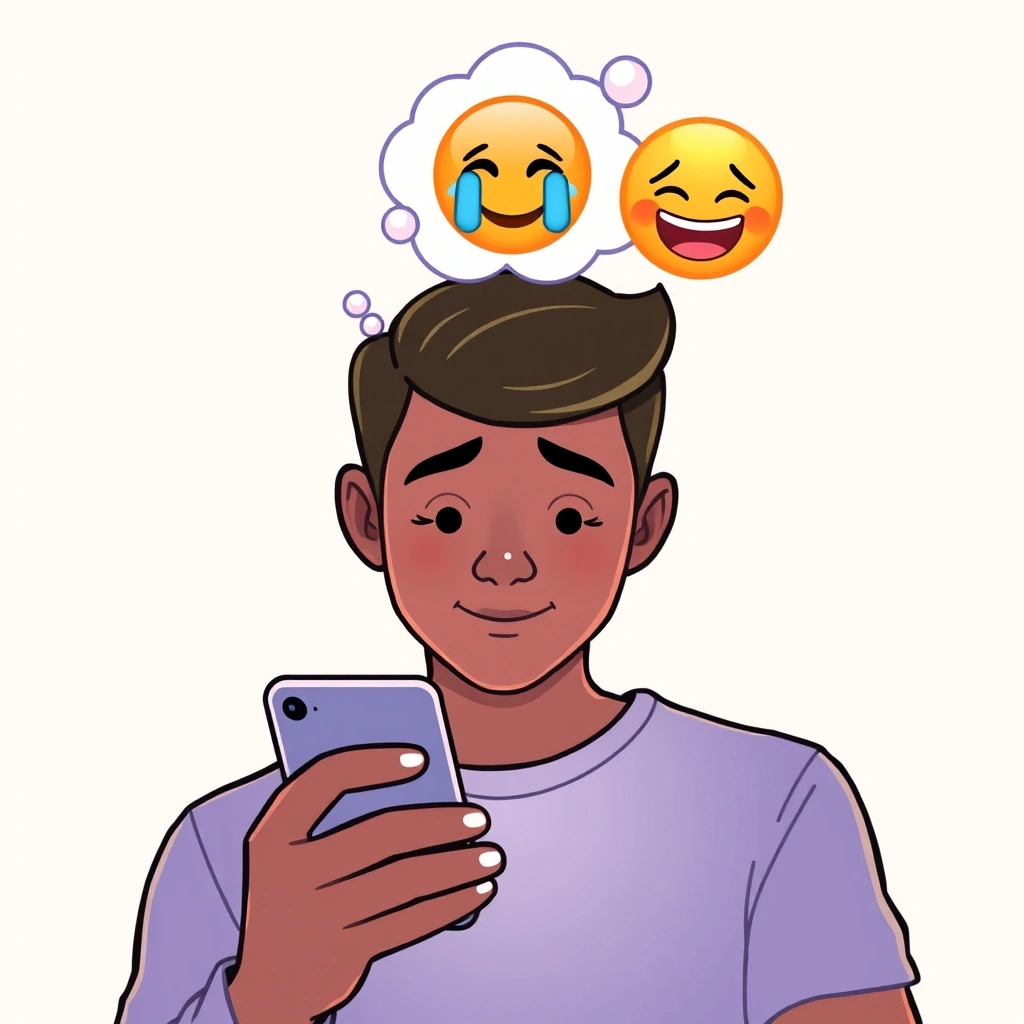
It's also worth considering your audience. The emoji language you use with close friends in a group chat will likely be more nuanced and playful than what you'd use commenting on a colleague's professional LinkedIn article. Adapting your emoji use shows social awareness.
Beyond Likes: Building Community
The true power of emojis in shaping reactions goes beyond racking up notifications. They help build and reinforce community. Inside jokes formed around specific emojis, celebratory emoji chains in comment sections, or even the consistent use of a branded emoji by a creator's followers—all of these create a sense of belonging and shared identity.
When people use the same visual language, they feel more connected. It's a non-verbal way of saying, "I'm part of this group. I get it." This is why so many online communities, from fan clubs to professional networks, adopt their own unique emoji shorthand.
If you're curious about how this visual language translates to the almighty algorithm and your post's performance, we explore that relationship in the secret language of likes.
So, the next time you're about to hit "post" or type a comment, pause for a second. Look at your words. What's the emotional temperature? Is it clear? Could a well-placed emoji make your intent unmistakable, encourage the kind of reaction you want, and make the whole interaction feel more human? The answer is probably yes. Those tiny pictures are quietly, powerfully, steering the ship of our online interactions, one reaction at a time.
For more insights on emojis and their role in our digital lives, browse our collection of articles on emoji and social media.
📒 Related Blogs
More...The Slow Burn: How Emojis Quietly Change Their Meaning in Your Group Chats
The Unspoken Language: How Emoji Combos Master Emotional Tone in Group Chats
The Evolution of Visual Language: From Ancient Hieroglyphs to Modern Emojis
From Viral Memes to Global Movements: How Emojis Chronicle Our Digital History
The Silent Misunderstanding: When Your Emoji's Message Gets Lost in Translation
The Invisible Hand: How Emojis Steer Understanding in Online Communities