The Slow Burn: How Emojis Quietly Change Their Meaning in Your Group Chats

Jan 20,2026
We’ve all been there. You send a quick thumbs-up or a simple laughing face into the group chat, just like you always do. It’s a reflex, a digital nod of acknowledgment. But lately, you’ve noticed a shift. The replies are slower. The energy feels… different. You didn’t change a thing, so what happened?
The truth is, the emojis did. Not on their own, of course, but through the slow, steady drip of context. In a long-running group conversation—be it with family, friends, or coworkers—emoji meaning isn’t static. It evolves, shaped by every inside joke, every minor disagreement, and every unspoken dynamic. What began as a genuine expression can, over weeks or months, become loaded with subtext you never signed up for.
The Accidental Tone Shift
Think about the classic smiley face. In a new chat, it’s friendly, warm. But fast-forward six months. If it’s only used after someone shares mildly bad news (“My flight got delayed 😊”) or a questionable opinion (“I think pineapple belongs on pizza 😊”), its meaning warps. It stops meaning “I’m happy” and starts whispering, “I’m tolerating this.” It becomes a tool for subtle distancing, often without the sender even realizing it.
This is a common pitfall in emoji misuse. The intent (a quick, polite reply) and the interpretation (sarcasm, dismissal) slowly diverge until they’re on completely different pages. The laughing-crying emoji is another prime culprit. Used sparingly, it signals genuine hilarity. Used as a default reaction to everything, it can start to feel dismissive, as if nothing anyone says is taken seriously.
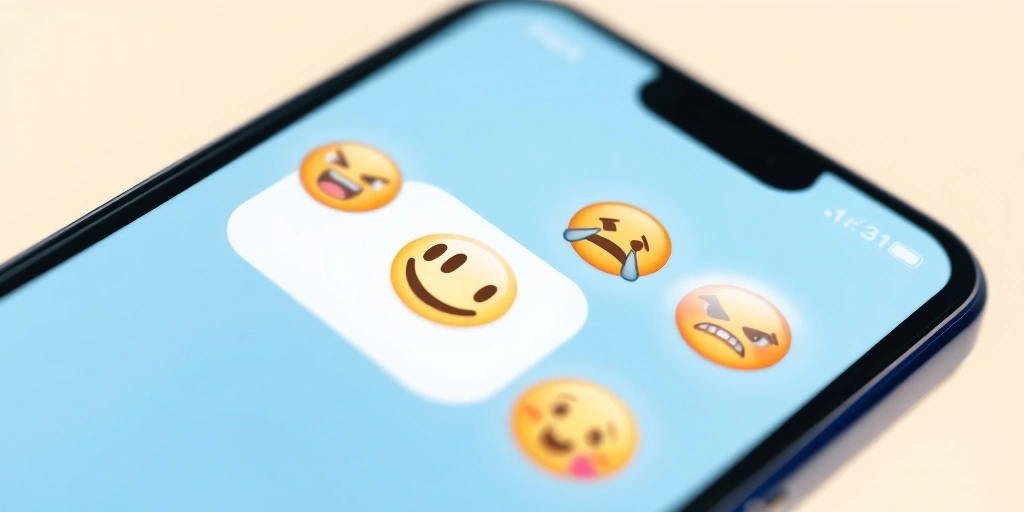
These shifts don’t happen overnight. They’re the product of pattern recognition, our brain’s brilliant (and sometimes troublesome) ability to connect dots. We subconsciously catalog when and how emojis are deployed. A pattern of using the “eyes” emoji 👀 only during gossip sessions gives it a secretive, “spill the tea” vibe. Using the checkmark ✅ only when tasks are assigned can make it feel cold and managerial.
When Group Dynamics Amplify the Signal
The problem intensifies in groups because you’re not broadcasting to one person’s interpretation, but to many. Your “OK hand” 👌 might be read as genuine agreement by one friend, but as sarcastic compliance by another who’s had a rough day. In a professional setting, these unintended signals can be particularly damaging. A single “thumbs-up” in a long thread might be your hundredth one, but for a new team member, it could read as curt or impatient, as explored in our look at when emojis backfire at work.
Furthermore, groups develop their own emoji dialects. A heart might mean “love” in your family chat but “noted, thanks” in your project team chat. The danger lies in forgetting which dialect you’re using, or in a member not being fully fluent in it yet. An outsider joining an established chat can feel like they’ve missed a crucial briefing on the hidden language everyone else is speaking.
The Unspoken Resentment Builder
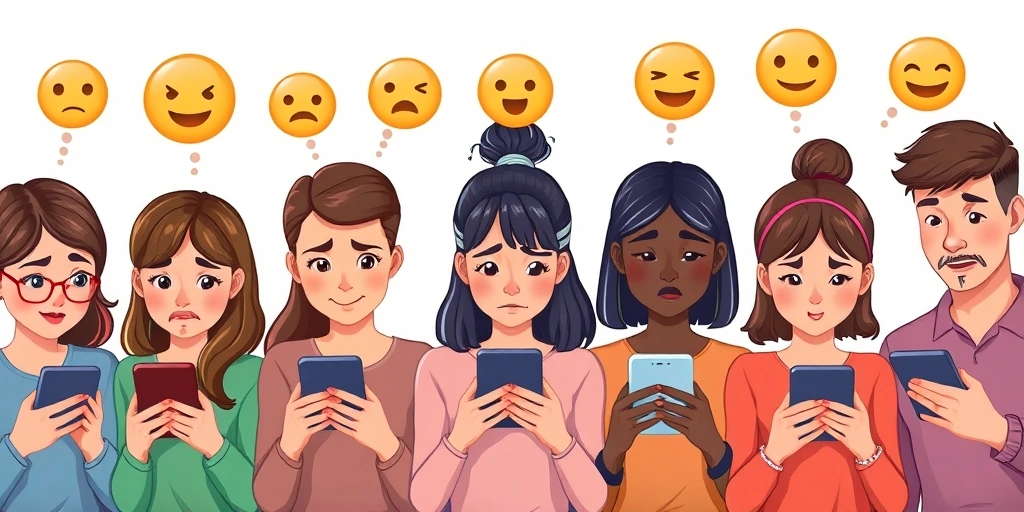
This is where the real emotional cost comes in. Unintended signals, repeated over time, build up like sediment. Someone might start to feel you’re always mocking them (thanks, laughing emoji) or that you’re perpetually annoyed (thanks, solitary period.). They rarely bring it up because it feels silly to complain about a tiny picture. “Are you mad at me over a smiley face?” It sounds absurd. So the feeling festers silently, cooling the warmth of the conversation.
It creates a paradox: we use emojis to add clarity and emotion to text, but when their meaning becomes unstable, they inject ambiguity and doubt. The very tool meant to prevent misunderstanding becomes its source.
So, what can we do? The first step is simply awareness. Recognize that your emoji lexicon has a history within each chat. Every so often, do a quick audit of your own habits. Have you fallen into a one-emoji-fits-all pattern? Could your standard reaction be misread?
Sometimes, the best fix is to break the pattern. Replace that autopilot thumbs-up with a few words: “Sounds good!” or “Will do!”. Use an emoji you haven’t used in that chat before to reset its meaning. And don’t underestimate the power of occasionally using no emoji at all—let plain, sincere words carry the message.
It’s also helpful to remember that emojis are supplements, not replacements, for communication. If you sense a chill, it’s okay to move the conversation to a call or voice message. The richness of a human voice can dissolve misunderstandings that pixels accidentally created. For more on navigating these hidden traps, our article on the hidden traps of emoji misuse offers further insight.
In the end, our group chats are living ecosystems. The emojis we plant in them grow and change with the environment. It’s worth pausing to consider what they’ve grown into, and whether we need to do a little gentle gardening to ensure they’re still spreading the joy we originally intended.
📒 Related Blogs
More...Emoji Etiquette: Navigating the Unwritten Rules of Digital Expression
Emojis: The Universal Language Breaking Down Cultural Barriers
Express Yourself: How Emojis Boost Mental Wellness and Connection
Unlocking Emotions: How Emojis Completely Transform How Your Messages Are Received Online
The Unspoken Beat: How Emojis Dictate the Rhythm of Your Fast-Paced Digital Conversations
The Quiet Comfort of Emojis: How a Simple Icon Says 'I'm Here'