Did You Just Offend Someone? The Hidden Traps of Emoji Misuse in Digital Chats

Jan 12,2026
Oh, emojis! They’ve truly revolutionized how we express ourselves in the digital world. From a simple smiley face to a full-blown party popper, these tiny icons add so much personality, emotion, and context to our messages. They help bridge the gap that plain text often leaves, making our conversations feel more human and vibrant. We use them to soften a message, add humor, convey sarcasm, or simply show we’re listening. They’re a delightful part of our daily digital lives, aren't they?
But here’s a little secret we sometimes forget: not everyone speaks the same emoji language. What feels perfectly clear and innocent to you might land with a completely different meaning for someone else. It's not about making huge, obvious mistakes like sending an inappropriate emoji in a serious work chat. No, the real challenge lies in the subtle nuances, the tiny shifts in interpretation that can, without anyone even realizing it, cause a ripple of confusion or even a slight offense. It’s like whispering a joke that only half the room gets, leaving the others wondering if they missed something important or if you just said something a little odd.
When Your 👍 Isn't So Thumbs Up: The Generational Divide
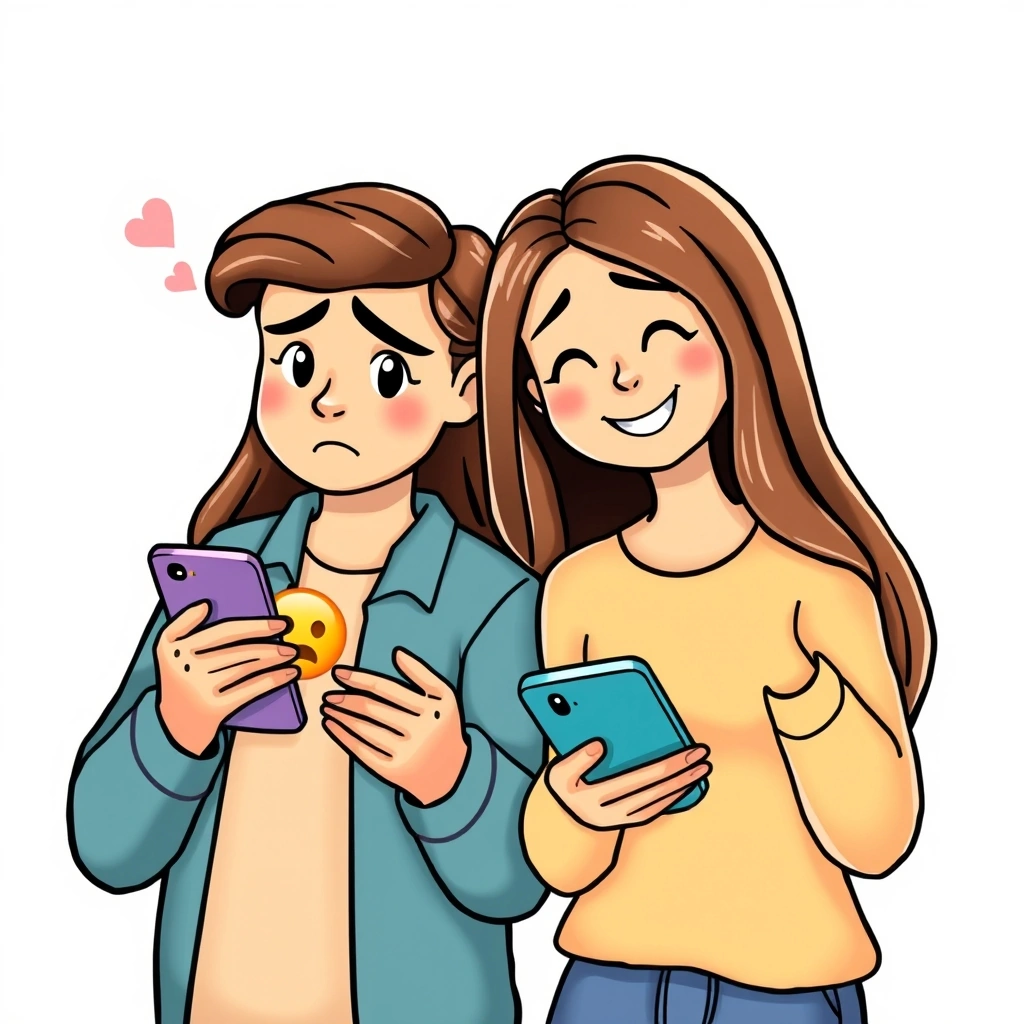
One of the most common culprits for emoji misunderstandings is the good old generational gap. What’s cool and casual for one age group can be utterly baffling, or even passive-aggressive, for another. Take the classic "thumbs-up" emoji 👍. For many, it's a straightforward sign of agreement, approval, or "okay." Simple, right? But for younger generations, it can sometimes feel dismissive, lazy, or even a bit snarky, especially in response to a detailed message. Imagine a boss sending a 👍 to a detailed project update – some might see efficiency, others might feel their hard work was barely acknowledged. It's a delicate balance we often overlook.
Beyond the 😂: Evolving Expressions
And it's not just the thumbs-up! The once ubiquitous "Face With Tears of Joy" 😂 has, for many younger texters, been replaced by the "Skull" 💀 or "Loudly Crying Face" 😭 to indicate something is hilariously funny. If you’re still exclusively using 😂, you might be signaling your age, or perhaps not fully connecting with the younger audience you're trying to reach. It's a subtle linguistic shift, and if you’re not aware of it, your attempts at humor might just fall flat, or worse, be perceived as outdated. It highlights how emoji meanings are fluid, constantly evolving within different social circles and age groups. For more insights into how these little icons can lead to big misunderstandings, especially in sensitive conversations, you might want to check out Emoji SOS: Why Those Little Icons Lead to Big Misunderstandings in Sensitive Conversations.
The Professional vs. Playful Tightrope
Navigating emoji use in professional settings is another minefield of subtle missteps. While a well-placed emoji can add warmth and approachability to a work email or team chat, an ill-chosen one can undermine your professionalism or be seen as inappropriate. A winking face 😉 might be fine with a close colleague you’ve known for years, but sending it to a new client or a senior manager could easily be misconstrued as overly familiar or even flirtatious. The audience here is paramount. What’s acceptable in a casual chat with friends is often a no-go in a formal business context. It’s about reading the room – or in this case, reading the digital chat – and understanding the unspoken rules of your professional environment. It’s a constant dance between being authentic and being appropriate.
When Context is King: Cultural and Social Nuances
Beyond generations and professional boundaries, cultural backgrounds also play a silent, yet significant, role in how emojis are perceived. A gesture that signifies one thing in one culture might mean something entirely different in another. While many common emojis have a somewhat universal understanding, there are plenty that carry cultural baggage. For instance, some cultures might view certain facial expressions differently, impacting how they interpret a "pensive face" or a "sweat smile." It’s a complex tapestry, and being mindful of these potential differences, even in a small way, can save you from accidental faux pas. The beauty of emojis is their ability to transcend language, but sometimes, they also highlight cultural divides. It's truly astonishing how easily our favorite icons can get lost in translation across various digital interactions.
The Intent vs. Impact Conundrum
Ultimately, many emoji confusions stem from a disconnect between our intent and the impact our message has on the recipient. We might send a slightly cheeky emoji intending to convey lightheartedness, but if the receiver is having a tough day, or simply interprets it differently, it could come across as insensitive or sarcastic. This is especially true when using emojis to convey sarcasm or irony – it’s a high-stakes game. Without the benefit of voice tone or facial expressions, that little icon carries a lot of weight. If your recipient isn't perfectly attuned to your sense of humor or personal texting style, that sarcastic winky face could just look like genuine condescension.
Navigating the Digital Landscape with Care
So, how do we avoid these subtle emoji traps? It's not about ditching emojis altogether – that would be a travesty! Instead, it’s about a little extra thoughtfulness. Before you hit send, take a quick moment to consider your audience. Who are you talking to? What’s your relationship with them? What’s the context of the conversation? If you’re unsure, it’s always safer to err on the side of clarity. Sometimes, a few extra words can prevent a lot of misunderstanding. Or, choose emojis that are more universally understood and less open to interpretation. Being aware of the dynamic nature of emoji meanings, and how they shift across different groups, is the first step towards becoming a more empathetic and effective digital communicator. Exploring the broader topic of emoji mistakes and misuse can further enhance your understanding.
Emojis are a wonderful tool for expressing ourselves, adding warmth and personality to our digital interactions. They make our online conversations richer and more engaging. By simply being a bit more mindful of our audience and the ever-evolving language of these tiny symbols, we can continue to enjoy their benefits without accidentally causing confusion or stepping on digital toes. Let's keep those chats colorful, clear, and perfectly understood, one thoughtful emoji at a time!
📒 Related Blogs
More...Oops! Did Your Emoji Just Say Something You Didn't Mean?
Emojis & Mental Health: Expressing Emotions Digitally for Well-being
The Secret Ingredient to Playful Chats: How Emojis Turn Talk Into a Game
The Secret Life of Emojis: How Our Digital Heartbeats Mirror a Changing World
The Emoji Effect: How Our Digital Expressions Are Always Changing
The Fascinating Journey of Emojis: From ASCII Art to Global Unicode Icons