The Fascinating Journey of Emojis: From ASCII Art to Global Unicode Icons

Dec 21,2025
Have you ever paused to think about how those little digital expressions we use every day came to be? Emojis, a ubiquitous part of our online conversations, have a surprisingly rich and fascinating history. They’ve journeyed from simple text-based creations to vibrant, universally recognized symbols. Let’s take a trip through time to explore their incredible evolution.
The Dawn of Digital Expressions: ASCII Art
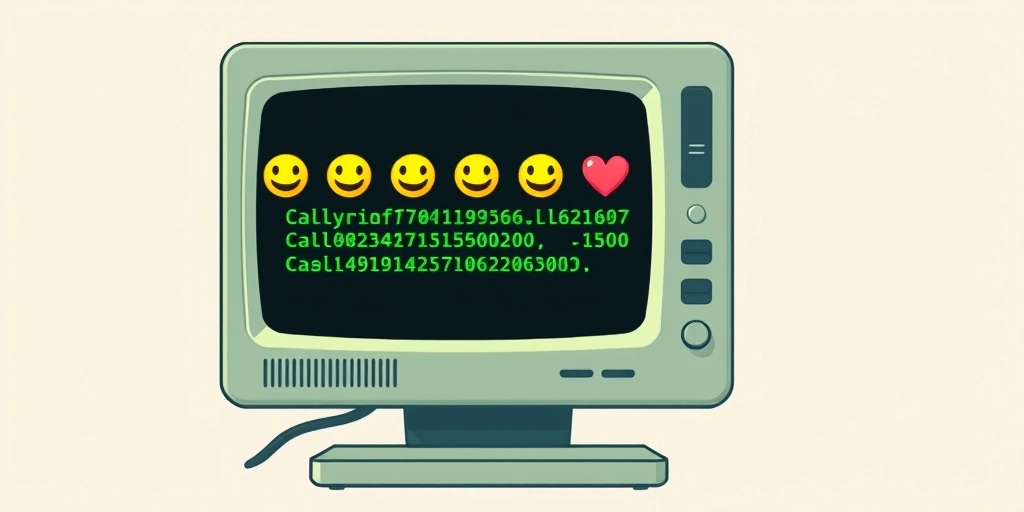
Before emojis, and even before graphical emoticons, there was ASCII art. In the early days of the internet and digital communication, people got creative with the limited set of characters available on their keyboards. By arranging punctuation marks, letters, and numbers, they formed crude but recognizable images and expressions. Think of simple smiley faces made with a colon, a hyphen, and a parenthesis like :-) or hearts made with less common characters. This was the pioneering way to convey emotion and visual information in a text-only world. It was a testament to human ingenuity to add personality to plain text messages.
The Rise of Emoticons: Bridging the Gap
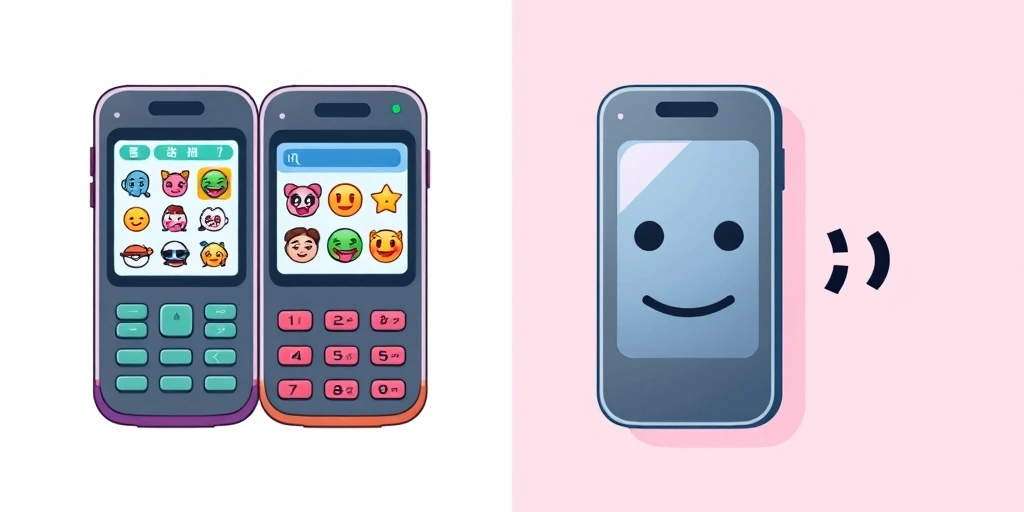
As technology advanced, so did our desire for more expressive digital communication. The next step in this evolution was the emoticon, a portmanteau of 'emotion' and 'icon'. While often similar to ASCII art, emoticons gained more prominence and specific conventions. The first widely recognized use of :-) and :-( is attributed to Scott Fahlman in 1982, who proposed them to distinguish humorous from serious messages online. Around the same time, in Japan, a different kind of visual language was emerging. Shigetaka Kurita created the first set of 176 pictographic emojis for NTT DoCoMo's i-mode mobile internet platform in 1999. These were distinct graphical symbols, not just text arrangements, designed to make mobile communication richer and faster. This groundbreaking Emoji collection was a precursor to the global phenomenon we know today.
Unicode's Embrace: Standardizing the World of Emojis
The real turning point for emojis, making them a truly global language, came with the involvement of the Unicode Consortium. Unicode is a computing industry standard for the consistent encoding, representation, and handling of text expressed in most of the world's writing systems. When emojis were incorporated into the Unicode Standard, it meant that a character would look the same, or at least be consistently interpreted, across different devices and platforms. No longer would a message sent from an iPhone look like gibberish on an Android or vice versa. The initial batch of emojis adopted by Unicode in 2010 included many of the familiar faces we use, like the Grinning Face with Big Eyes 😃 and the universally understood Red Heart ❤. This standardization transformed emojis from a niche feature into a core component of digital communication worldwide, allowing for seamless Emoji copy and sharing. Searching for your favorite symbols has never been easier on Emoji online platforms.
Emojis Today: A Universal Language of Expression
From those simple ASCII smiles to hundreds of diverse and detailed icons, emojis have become an indispensable part of how we communicate. They add nuance, emotion, and personality to our messages in a way words sometimes can’t. They've transcended cultural barriers, acting as a mini-language understood by billions. New emojis are constantly being added to reflect our evolving world, covering everything from diverse skin tones and professions to new foods and activities. The journey of these little icons is a testament to our continuous quest for more expressive and efficient ways to connect digitally. Whether you're trying to paste emoji into a text or explore the vast emojilar collection, their history is a fascinating blend of technology and human expression.
📒 Related Blogs
More...How Emojis Turn Your Casual Chats Into a Playful Game
The Quiet Sigh: How Emojis Express Disappointment When Words Feel Too Risky
The Secret Language of Smiles: How Emojis Instantly Reveal Emotions Online
The Subtle Power of Emojis: Bridging Uncomfortable Silences in Our Digital Chats
The Secret to Lighter Chats: How Emojis Make Fast-Paced Conversations Effortless
Beyond Words: How Emojis Subtly Shift Meaning in Your Messages