Oops! Did Your Emoji Just Say Something You Didn't Mean?

Jan 31,2026
The Silent Language That Sometimes Shouts
We've all been there. You send a quick text, punctuated with what you think is the perfect emoji—a friendly gesture, a touch of humor, a sprinkle of warmth. You hit send, feeling good about the connection you've just made. Then, the reply comes back. It's a little cold. A little confused. Maybe there's a long pause. And a sinking feeling hits you: your emoji didn't land the way you intended.
It's the strange magic of digital communication. Words alone are tricky enough, but when we add these little pictograms into the mix, we're playing with a whole new layer of unspoken language. An emoji isn't just decoration; it's tone, it's body language, it's a facial expression all rolled into one tiny graphic. And just like in face-to-face conversation, those non-verbal cues can be wildly misinterpreted.
When Friendly Gestures Feel Icy
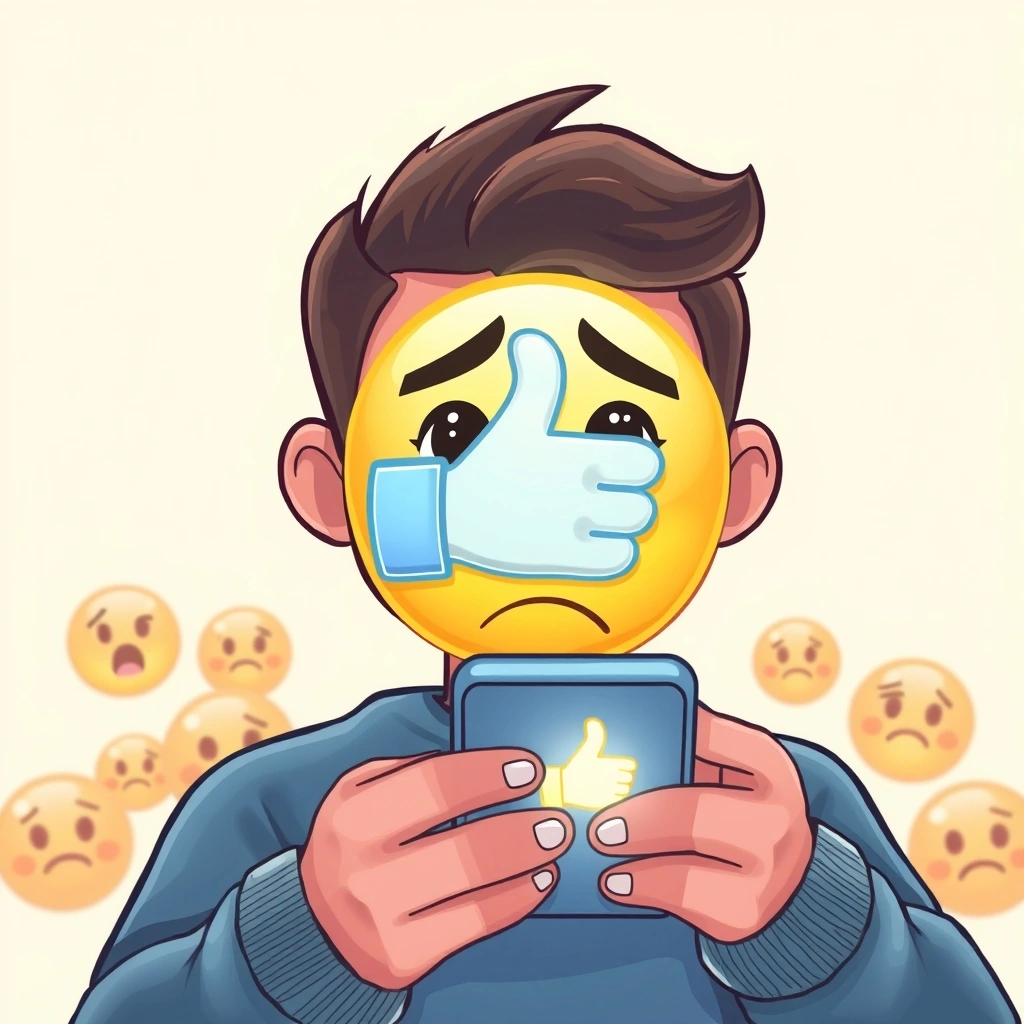
Let's start with a classic: the thumbs-up. 👍 For many, it's a simple "got it," "sounds good," or "okay." It's efficient! But for others, especially in certain contexts or generations, that solitary thumbs-up can feel dismissive, cold, or even passive-aggressive. It can read as "I'm acknowledging you but I don't really want to engage further." What you meant as a quick affirmation suddenly feels like a conversation-ender.
Similarly, the checkmark. ✅ On its own, it means "correct" or "done." But in the heat of a debate or a sensitive discussion, replying with just a checkmark can come across as "I'm right, you're wrong, discussion over." It lacks the warmth of "I see your point" or "Thanks for explaining."
These aren't mistakes in the emoji's dictionary definition. They're failures in translation—the translation between your internal feeling when you hit send and the other person's internal feeling when they receive it. The context is the dictionary, and we all read from slightly different editions. For more on these hidden traps, this piece digs deeper into how easy it is to accidentally offend.
The Mystery of the Missing Face
Sometimes, the problem isn't the emoji you *did* use, but the one you *didn't*. Think about a plain text message like "Fine." or "Whatever you want." It's a blank slate. The receiver paints it with their own current emotions. Are you annoyed? Resigned? Truly indifferent? Without an emoji to guide them, they'll assume. And often, they'll assume the worst.
Adding a simple smiley 😊 or a heart ❤️ can completely reshape that sentence. "Fine 😊" becomes agreeable. "Whatever you want ❤️" becomes generous and loving. The emoji acts as a tone indicator, a crucial piece of context that text alone desperately lacks. Leaving it out isn't neutral; it's often interpreted as intentionally cold or upset.
Group Chats: Where Intent Goes to Die
If one-on-one texts are a delicate dance, group chats are a mosh pit. Your emoji is now being interpreted by multiple people with multiple relationships to you and to each other. A joke emoji that your best friend gets might confuse your coworker. A sarcastic comment followed by a laughing-crying emoji 😂 might be seen as genuine laughter by someone who doesn't know your sarcastic tone.
The potential for crossed wires multiplies. You might use the fire emoji 🔥 to say something is cool, but an older relative might genuinely think you're talking about a literal emergency. Group chats have a special talent for twisting intent, and emojis are often the main culprit.
Navigating the Unspoken Rules
So, what do we do? Throw our hands up and go back to plain text forever? Of course not. Emojis are wonderful. They add color, emotion, and personality to our digital lives. The key is just to be a little more mindful, to remember that we're speaking a second language that not everyone is fluent in.
When in doubt, lean towards clarity. If a message feels important or potentially sensitive, consider using a few more words alongside your emoji. "Thanks for doing that! 👍" feels different than just "👍". "I'm just kidding! 😜" makes the intent crystal clear.
Pay attention to the other person's emoji style. Do they use lots of them? Do they prefer words? Mirroring their communication style a bit can help ensure you're both on the same page.
And sometimes, when an emoji causes a genuine misunderstanding, just laugh it off and clarify. "Whoops, I meant that thumbs-up to be friendly, not short!" A little humility goes a long way in the emoji-laden world we've built. After all, we're all just trying to connect, one little pictogram at a time. For more stories and tips on navigating the world of emoji slips, explore our Emoji & Mistakes collection.
📒 Related Blogs
More...The Art of the Brief Reply: How a Simple Emoji Transforms Professional Messaging
Why Emoji Combinations Are the Ultimate Conversation Hack in Casual Chats
Beyond Text: How Emojis Shape Your Digital Identity Online
The Unsung Heroes of Work Chat: How Emojis Make Your Slack Messages Land Perfectly
The Unspoken Language of Emojis in Your Coziest Chats
Level Up Your Chats: How Emojis Turn Conversations into a Fun Game!